
In a small living room, two sofas of the same size can have completely different effects. One fills and crowds the room; the other looks lighter and leaves air around it. The difference is often not in centimetres but in visual weight: how the piece meets the floor, how thick its arms are, how its colour relates to the wall. Knowing these details lets you make the room feel larger without giving up comfort.
Let the floor show: legs and wall-hung units
The eye partly judges the size of a room by how much floor it can see. A sofa, chest or TV stand that sits directly on the floor with a closed base cuts that area off. Furniture on open legs shows the floor continuing underneath, and the room looks larger.
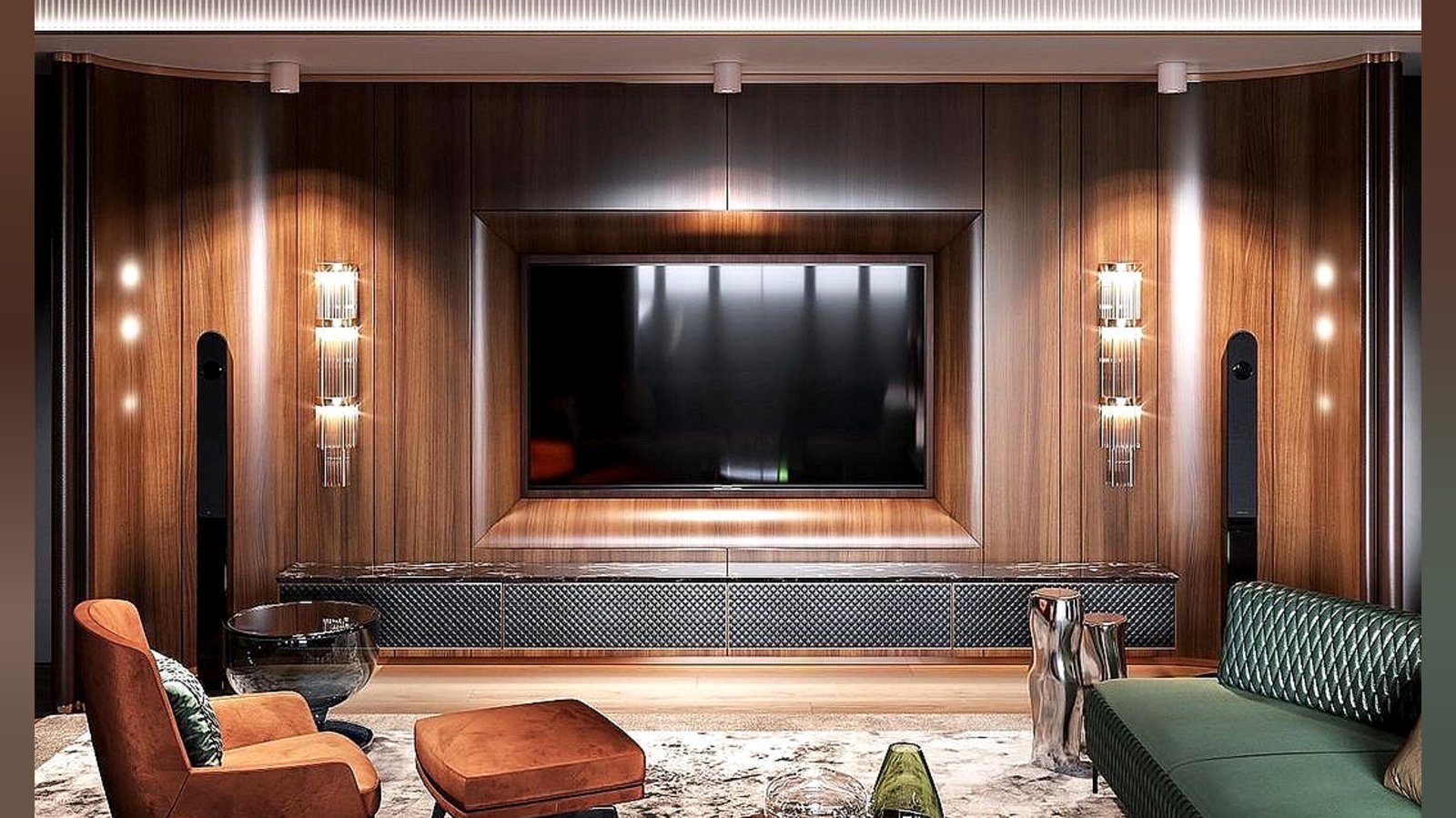
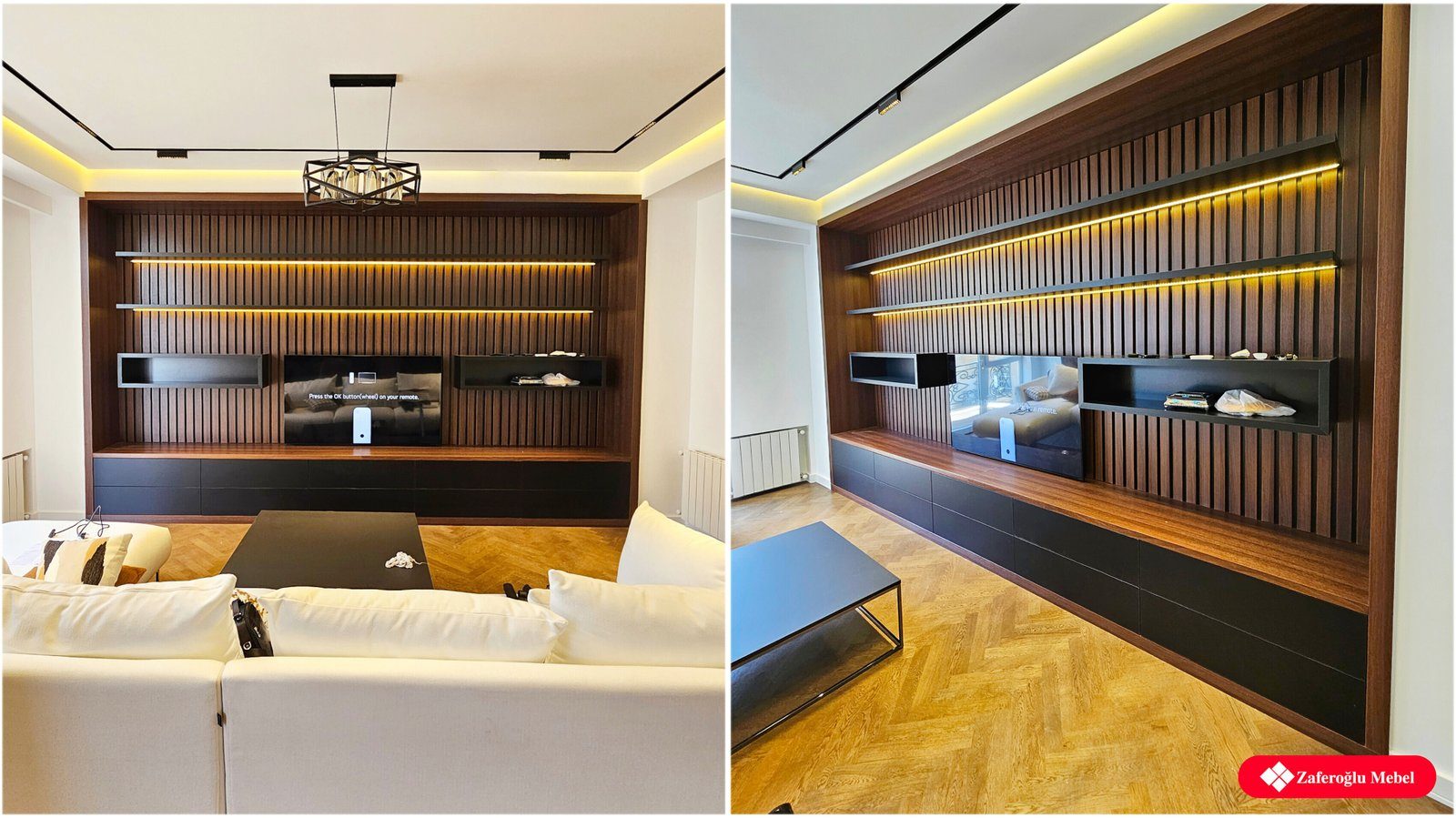
The same principle applies to storage. A wall-hung TV unit, floating chest or shelves free the floor completely. There is a practical bonus too: a robot vacuum and ordinary cleaning reach underneath easily. For wall-hung units, the strength of the wall and a fixing rated for the load must be checked, especially if the partition is plasterboard.
Sofas and armchairs: arms and backs
In a small room, much of a sofa's overall width is often taken up by its arms. A sofa with thick, padded arms can leave a narrow seat, whereas a slim-armed model of the same width gains space for an extra person. Armless sofas, or ones open on one side, are also good options for a small room.
Back height affects visual weight too. A low back keeps the window and wall open; a high back divides the room. When choosing depth, balance comfort against space: sitting for long on a very shallow sofa is uncomfortable, while a very deep one narrows the walkway.
With armchairs, a light frame, slender legs and open sides have the same effect. Two compact armchairs make the conversation area more flexible than one large, bulky chair.
Colour and surfaces
When furniture is close in colour to the wall, its outlines soften and it blends into the background. Sofas and storage in light beige, grey and white are a safe choice for a small room. If a dark colour is used, it is better kept to small accents — cushions, a coffee table.
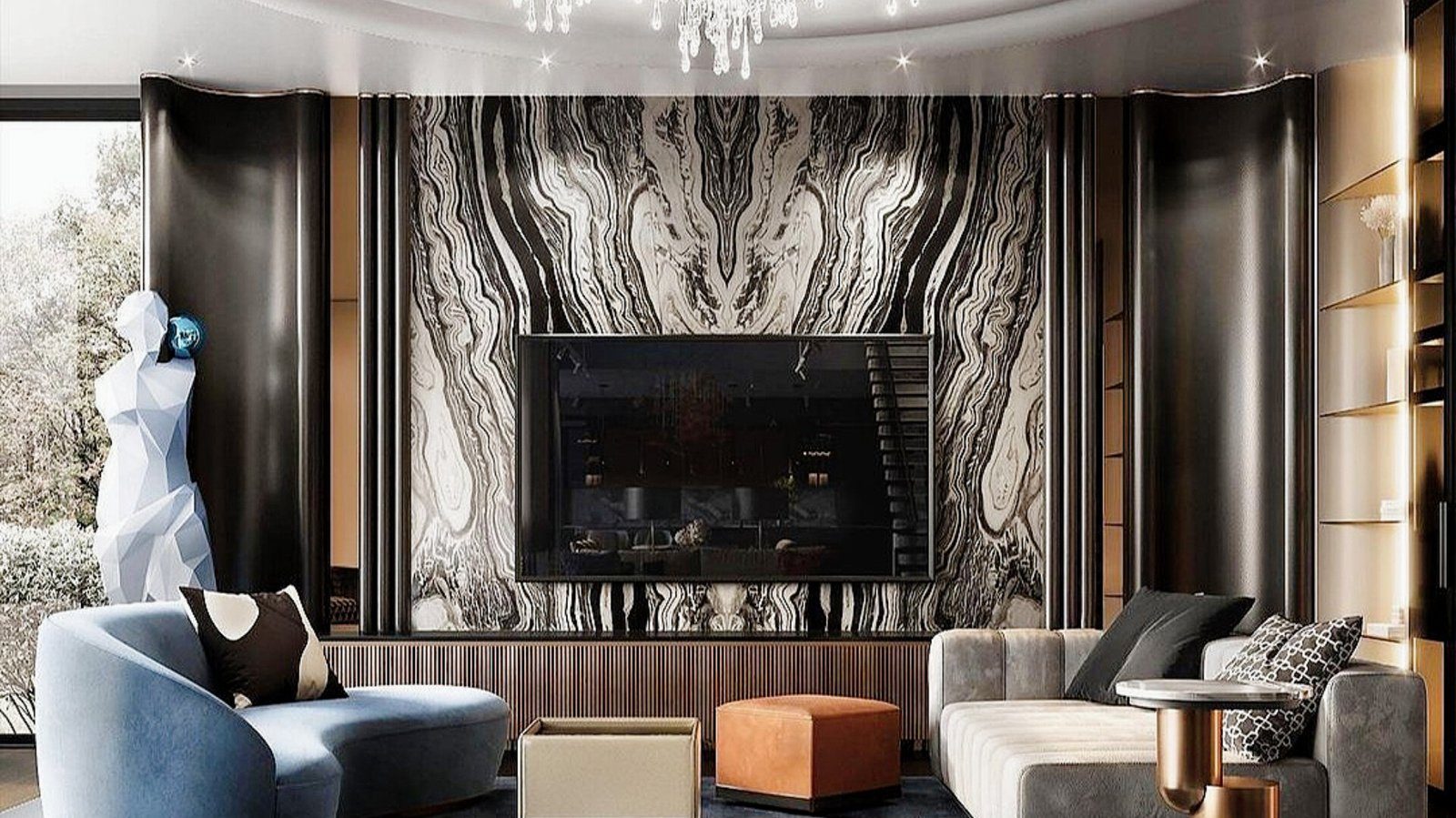
Glossy and reflective surfaces spread light around the room. A glass or acrylic coffee table takes up almost no visual space. A few mirrored or gloss fronts on the TV unit reflect light from the window. Too many shiny surfaces, however, create confusion; one or two elements are enough.
Multi-purpose furniture
A small living room often doubles as a place to entertain, work and sometimes sleep. In that case, giving each piece more than one function saves space:
- An ottoman or bench with storage inside.
- A sofa bed that becomes a guest bed; when choosing the mechanism, check its extended length against the room.
- A height-adjustable coffee table that turns into a dining or laptop table when needed.
- Bookshelves and closed compartments combined with the TV unit, putting all storage on one wall.
Composition: fewer pieces, the right scale
In a small room, lots of small pieces create more clutter than one larger piece. A sofa, one or two armchairs, a table and a wall storage system are often enough. Furniture should suit the scale of the room, but the rule "small room, small furniture" does not always work: a slightly larger sofa with a simple shape looks calmer than several small seats.
Hanging curtains close to the ceiling and choosing a rug large enough to tie the seating group together also make the room look taller and more unified.
Quick check before choosing
- Can you see the floor under the furniture?
- Do the sofa arms reduce the seat width unnecessarily?
- Does the furniture colour work with the wall?
- Is storage wall-hung or concentrated on one wall?
- Does the sofa bed fit the room when opened?
Zaferoglu Mebel makes upholstered furniture and TV stands to individual dimensions. In a small living room, planning the sofa width, arm shape and wall-hung storage together around the room's dimensions makes use of every centimetre.