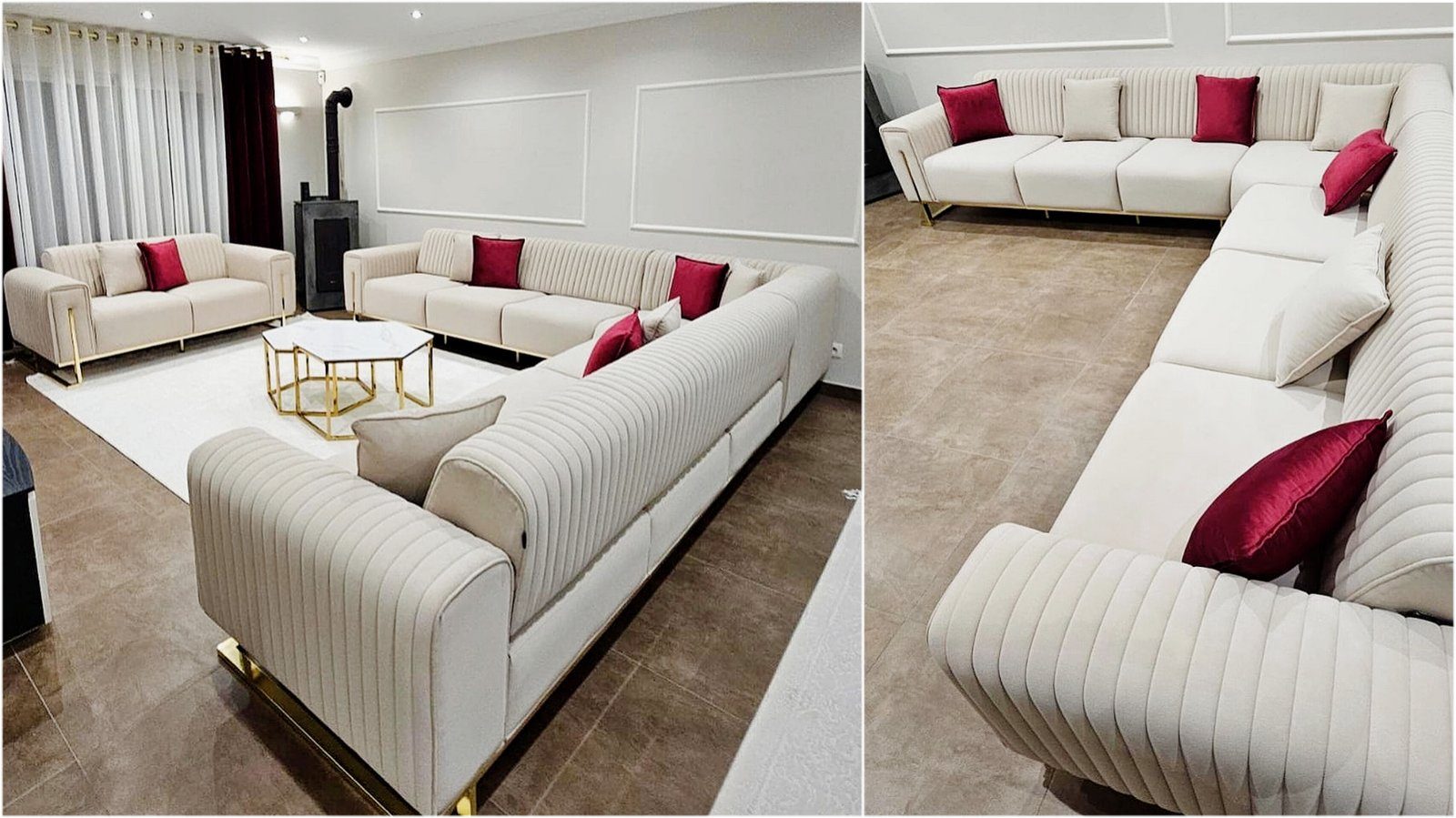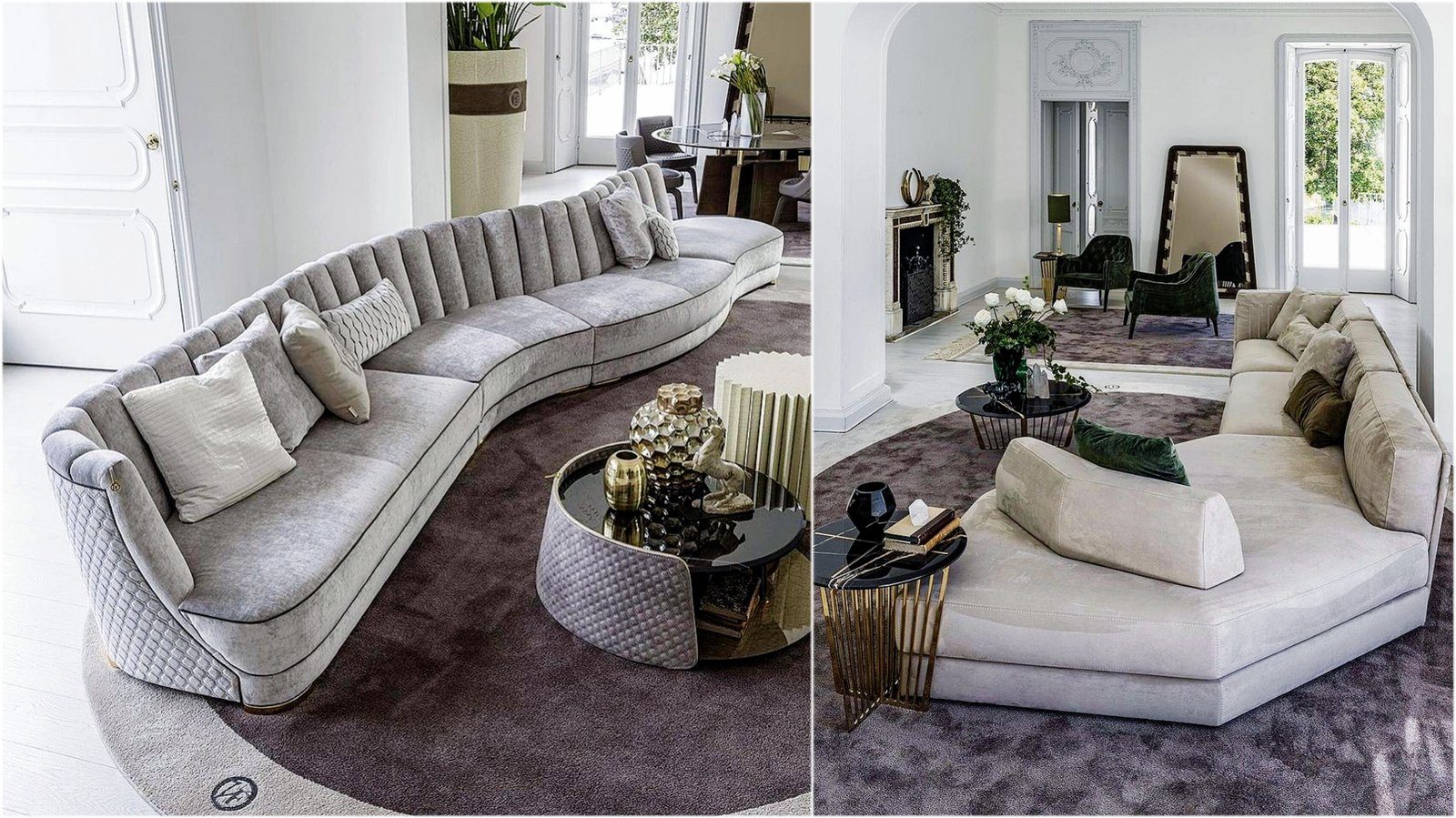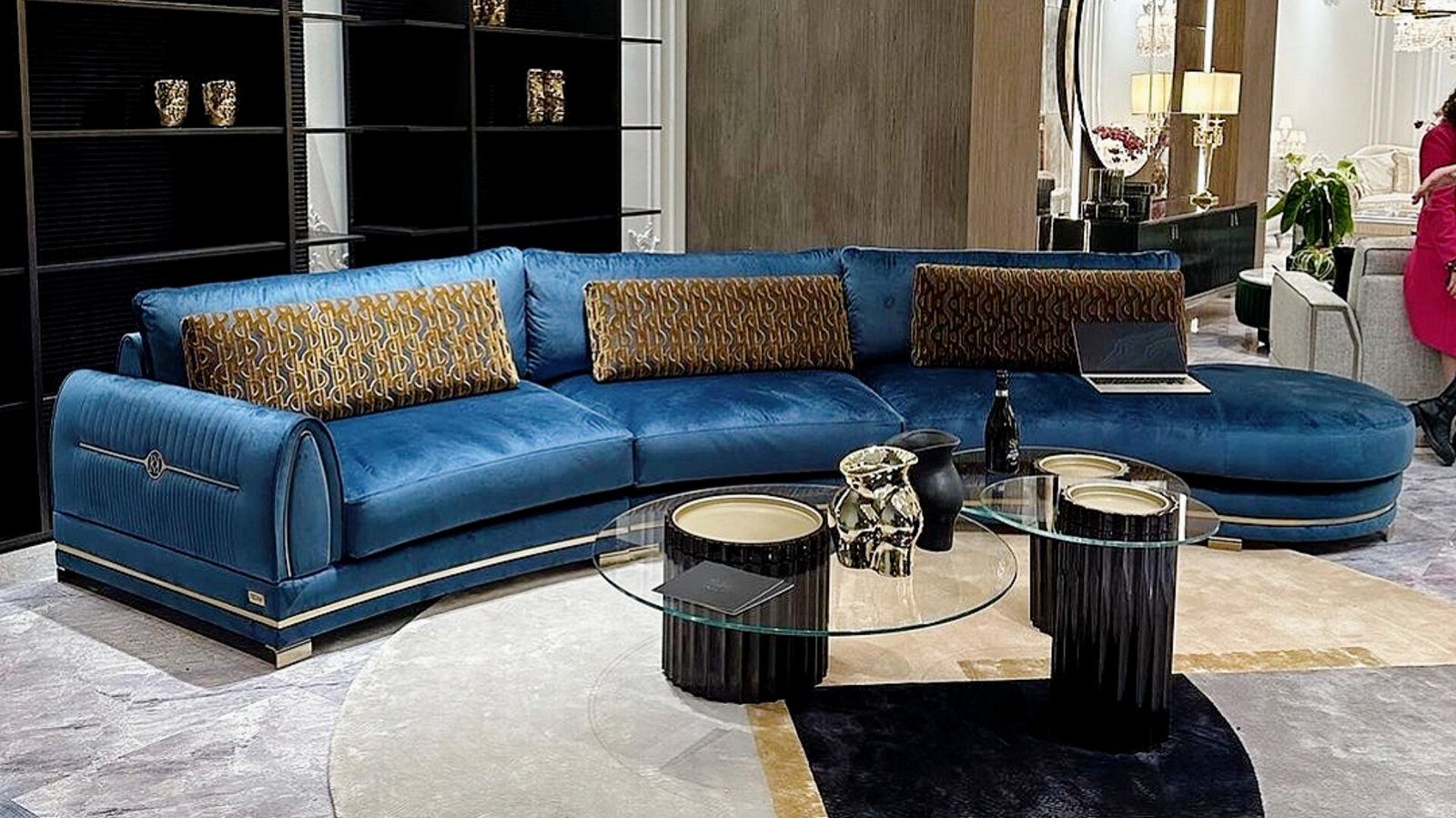

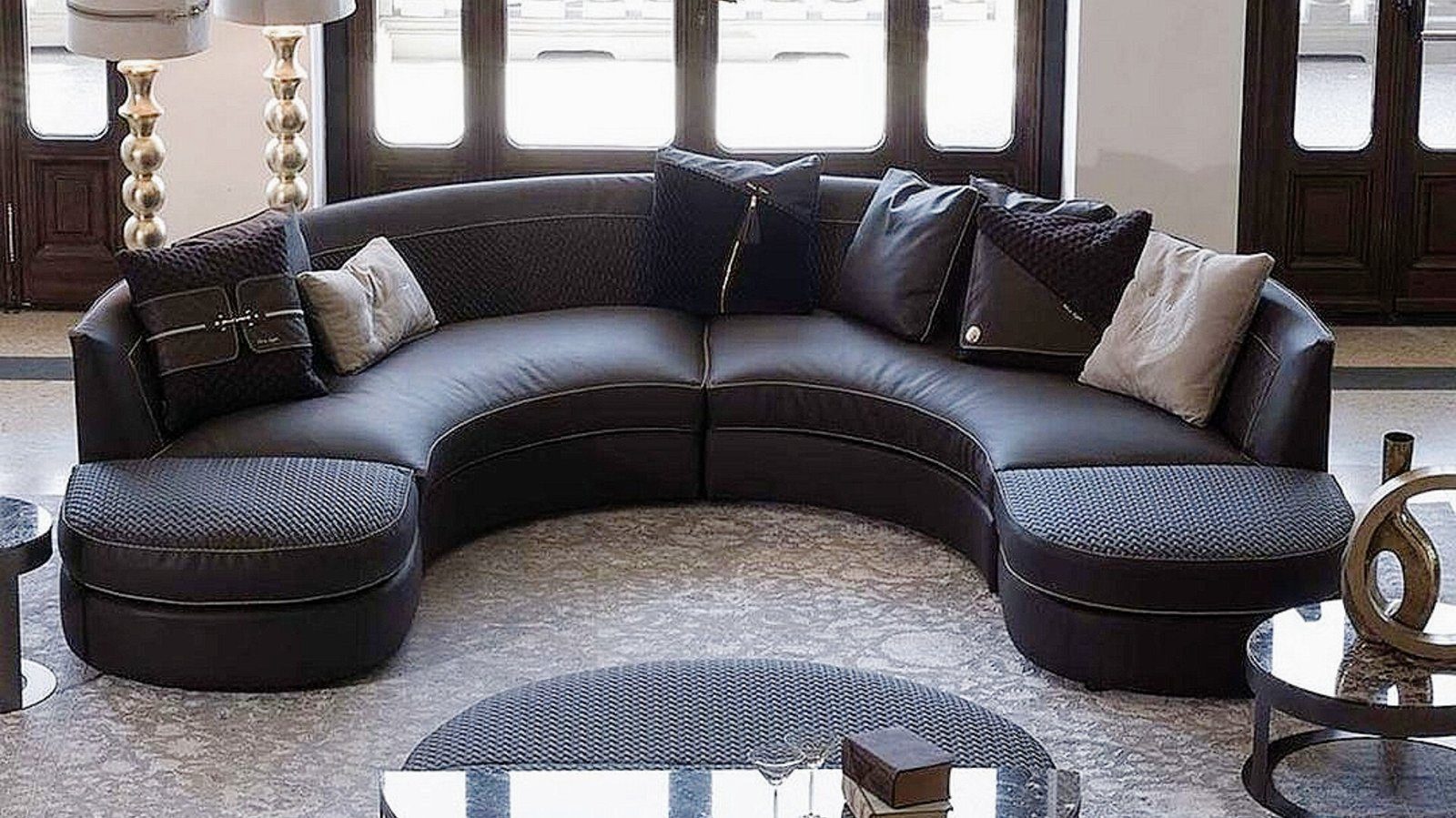
In a home with a cat or a dog, the sofa is not only for people. The animal sleeps on it, jumps onto the back, sharpens its claws and climbs up with dirty paws after a walk. As a result, upholstery that would stay fresh for years in another home can look scratched, hairy and stained within a few months. For a family with pets, choosing a sofa is a question of materials and construction before it is one of design.
Fabrics that withstand claws
A cat's claws damage fabric in two ways: they pull loops or break fibres. So the first criterion is the weave. On tightly woven, smooth fabrics without loops, claws do not catch on the fibres and slide off. Large-loop fabrics, bouclé, coarse basket weaves and fabrics with decorative stitching are a ready-made scratching post.
Options that work well in practice:
- Microfibre and tightly woven faux suede: the fibres are so fine and dense that claws cannot get in, hair stays on the surface and is easy to remove.
- Short, dense-pile velour: few claw marks remain, though changes in the direction of the pile can create patches that look like marks.
- Special weaves labelled "anti-scratch" or "pet-friendly": manufacturers offer these for homes with animals; test a sample with your hand and see whether loops pull.
Genuine leather looks good and does not hold hair, but cat and dog claws leave scratches on it immediately. Some people see these marks as patina that develops over time; others find them annoying. The quality of faux leather varies widely: types with a thin coating may peel when scratched.
Hair and stains: ease of cleaning
Dog and cat hair does not stick to every fabric equally. From smooth, dense fabrics it can be gathered easily with a damp glove or a rubber brush. Pile, soft and fuzzy textures trap hair, and even a vacuum cleaner does not fully remove it.
Colour choice is a practical matter too. Upholstery close in colour to the animal's coat shows less hair. A pure white or pure black sofa acts as a showcase for hair either way. Small patterns or melange (mixed-colour) fabrics hide both hair and small stains well.
Stain-resistant treated fabrics buy time with spills and muddy paw prints: liquid does not soak in immediately, leaving a chance to wipe it off. This treatment can weaken with time and washing, so check the manufacturer's care instructions.
Removable covers and protective solutions
In a home with pets, a sofa with removable covers is a real advantage. If cushion covers can be taken off and washed, "accidents" do not require dry-cleaning the whole sofa. When choosing, ask at what temperature the cover can be washed and whether it may shrink.
Other practical steps:
- Place a decorative throw or separate cover where the animal lies most often.
- Order extra protective covers in the same fabric for the sofa arms and corners.
- Put a scratching post next to the sofa for the cat — it reduces interest in the upholstery.
Construction: frame, legs and filling
When a large dog jumps onto or off the sofa, the frame takes a serious load. A strong frame, well-fixed joints and a rigid structure in the arms are important for a long life. Arms with weak soft padding quickly get crushed from the animal constantly leaning on them.
Leg height needs thought too. If the underside of the sofa is open, a cat can get under it and hair and toys collect there; a gap that is too low stops the vacuum from getting in. Choose either a height the vacuum passes easily or a fully closed base.
Seat filling should be resilient and spring back. Filling that sags quickly in the pet's favourite spot makes one side of the sofa look lopsided. Reversible cushions help spread the load evenly.
Checklist for choosing
- Does the fabric have loops or a coarse weave?
- Does hair come off the smooth surface easily?
- Is the colour close to the pet's coat?
- Can cushion covers be removed and washed?
- Are the frame and arms strong enough for a large animal jumping?
- Is the space under the sofa accessible for cleaning?
Zaferoglu Mebel makes upholstery to order, so telling them about your cat or dog when ordering lets the fabric and construction be chosen with the animal in mind.