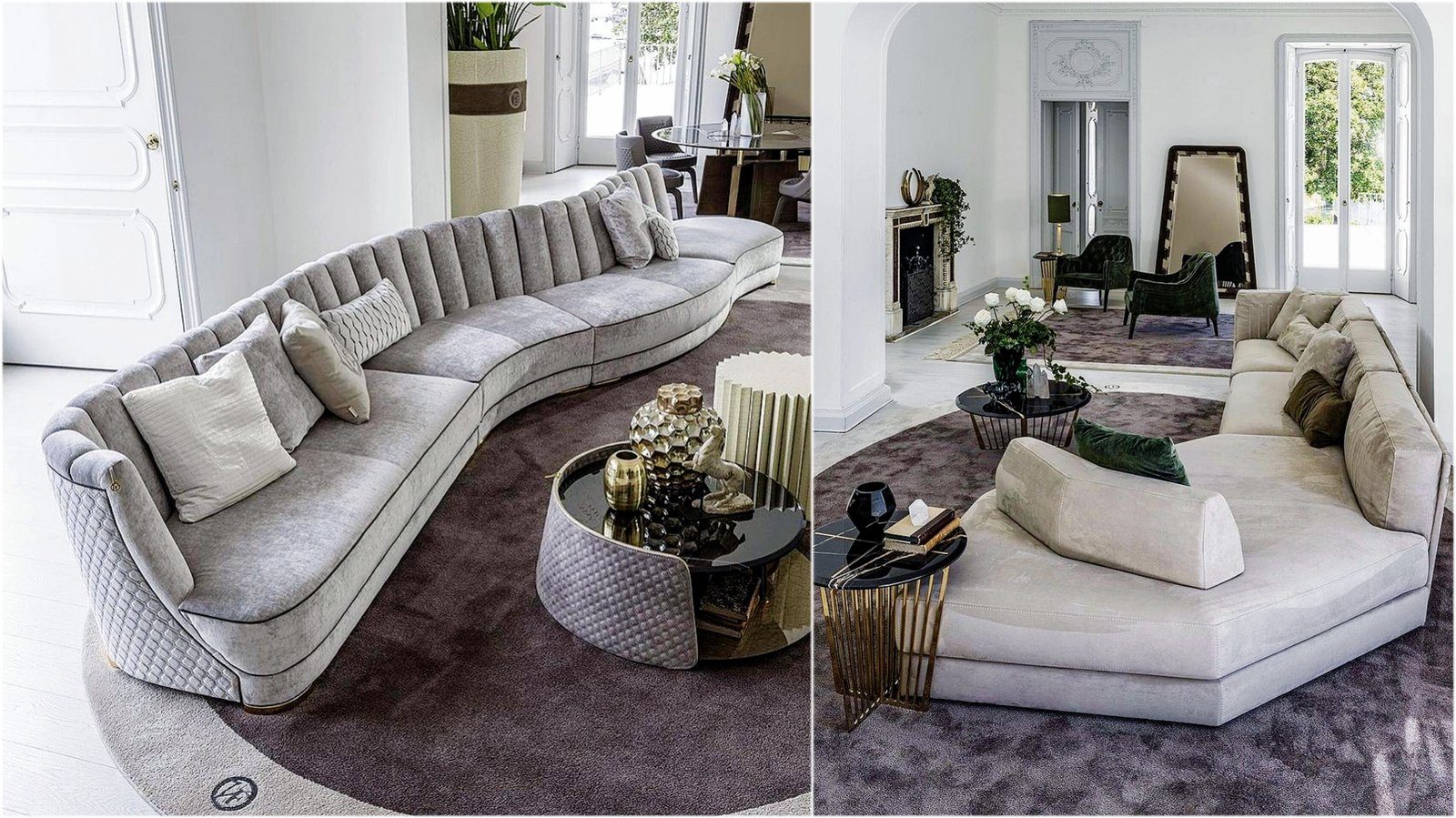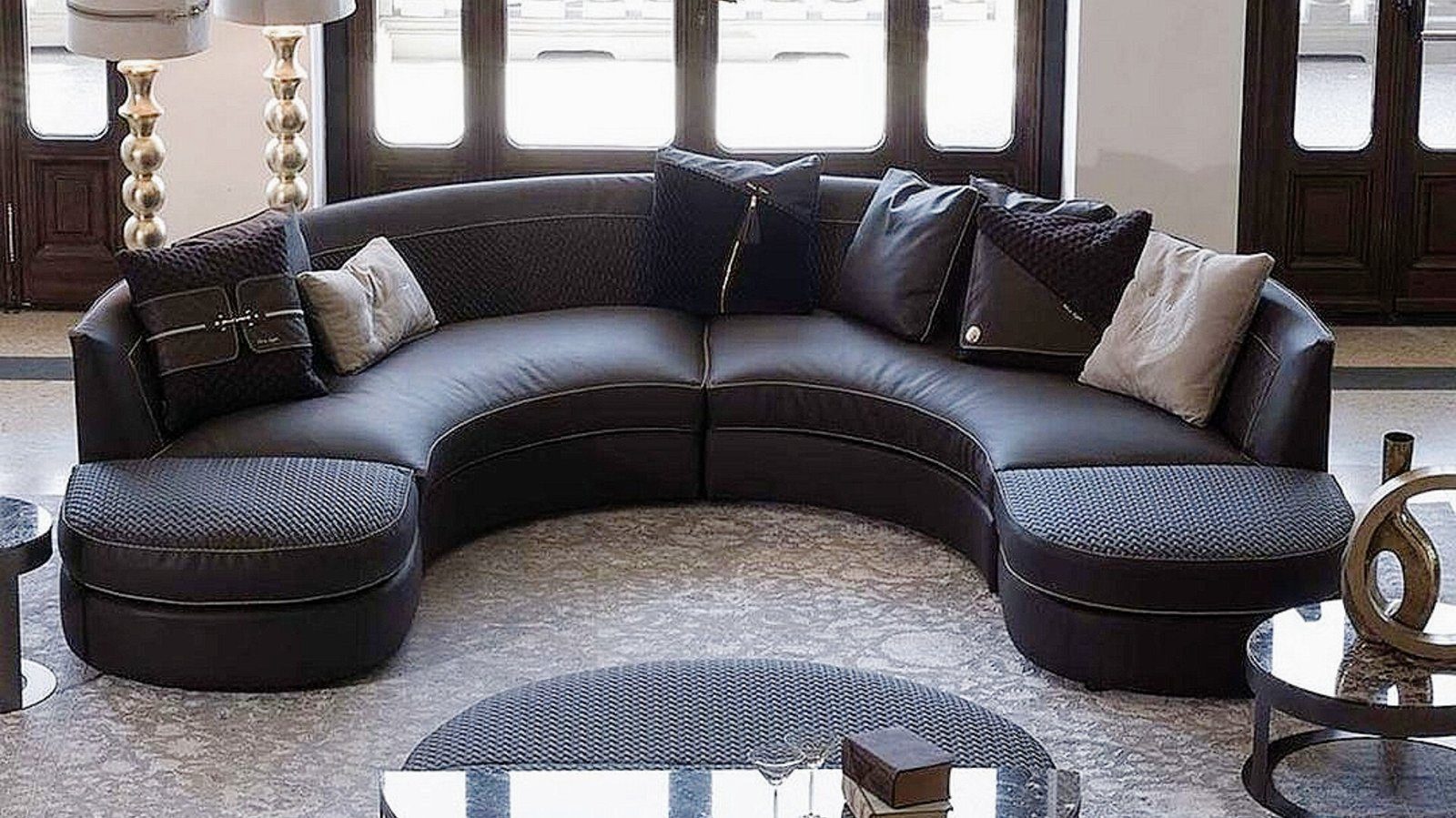

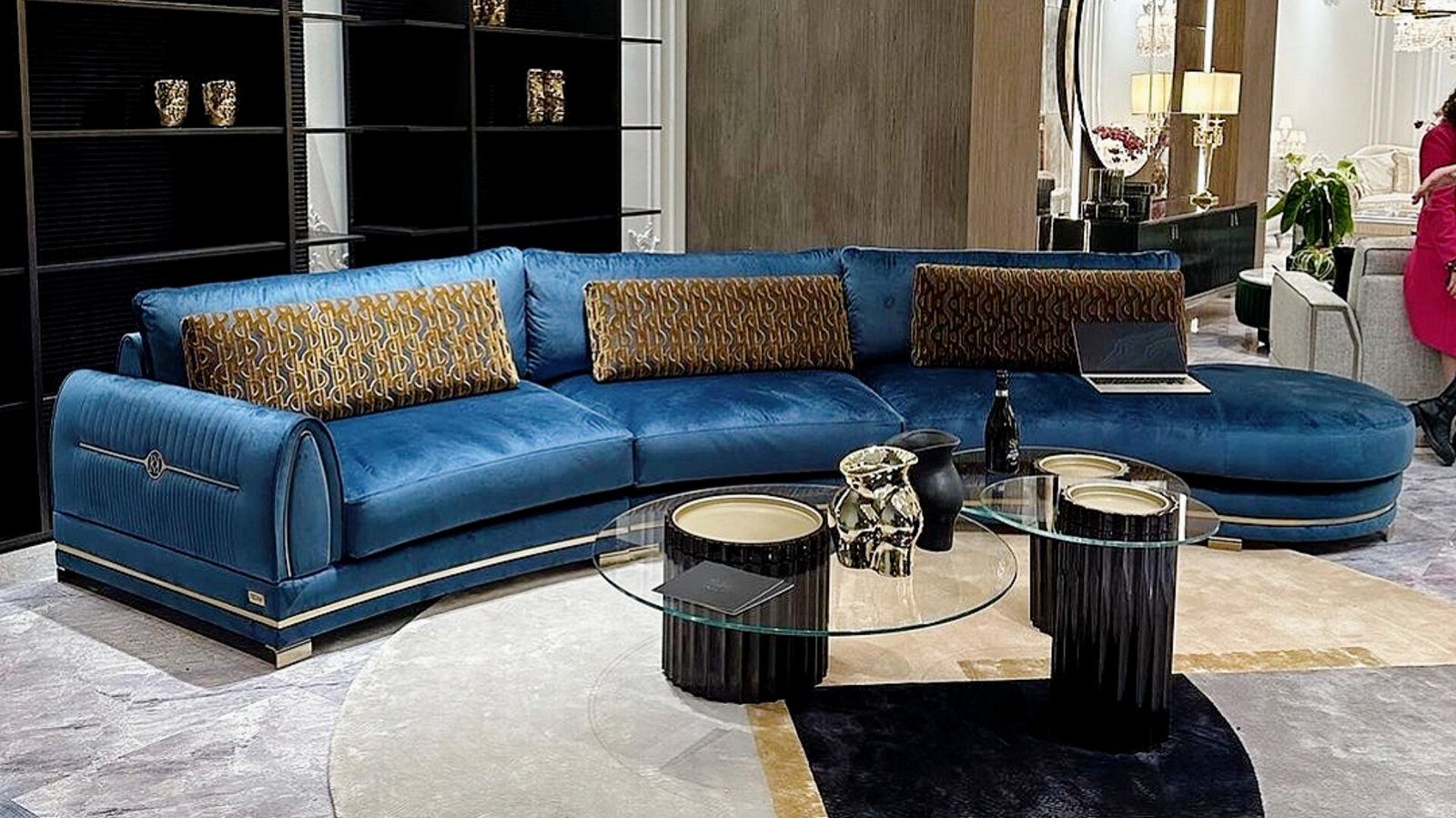
For many families a leather sofa is the very idea of furniture for life. Well-finished genuine leather does indeed not look worn with the years but gains character instead. Yet the same sofa can be a pleasure in one home and a constant worry in another. Before deciding, it helps to know the type of leather, how it behaves in daily life and what it needs.
Leather types are not all the same
"Genuine leather" is a broad term. The character of a sofa depends on which layer of the hide is used and how it is finished:
- Full-grain leather. The top, densest layer of the hide, keeping its natural pores and marks. The most durable and breathable type.
- Corrected-grain leather. Surface flaws are lightly buffed away and an even grain and finish applied. It looks more uniform but feels a little less natural.
- Split leather. The lower layer left after the top grain is separated. It usually has a heavy coating and is less durable than full grain; some sofas use it only on the back and sides.
The surface finish matters too:
- Aniline leather is dyed through but not coated. It is very soft and natural, but the most sensitive to stains and sunlight.
- Semi-aniline leather receives a thin protective layer, balancing a natural look with practicality.
- Pigmented leather is sealed with a coloured protective coating. It resists stains and fading best and is considered the most practical choice for families.
Advantages
- Longevity. Quality full-grain leather wears more slowly than fabric, does not pill from friction and resists tearing better.
- Cleanliness. Dust and crumbs do not soak in and can be wiped off with a damp cloth. For people sensitive to house dust mites it is generally seen as more convenient than fabric.
- Ageing well. Aniline and semi-aniline leathers in particular soften and develop a patina with use.
- Colour stability. Under the right conditions, pigmented leather keeps its colour for a long time.
Drawbacks
- Temperature. In a hot room in summer, leather feels warm on first contact and sticks to the skin; in winter it feels cold. Air conditioning or a throw eases the problem.
- Sun and heat. Direct sunlight fades and dries leather. Near a radiator or the airflow of an air conditioner, it can crack.
- Scratches. Cat and dog claws leave marks. On pigmented leather they are more visible, while on aniline leather they may read as patina.
- Care routine. Leather dries out if it is not conditioned regularly. It is not hard work, but it must not be forgotten.
- Colour choice. Light leather can pick up dye from jeans, and such marks are difficult to remove later.
When choosing a leather sofa, look beyond the cover to the construction beneath it. Leather stretches less readily than fabric, so if the seat filling is weak, creases and sagging marks appear quickly. High-density foam and a sturdy frame help the leather keep its shape for longer. When trying a sofa, notice how quickly the surface recovers after you sit down and stand up.
How to care for it
The life of a leather sofa depends directly on care:
- place it away from windows and heat sources; if that is not possible, reduce sunlight with curtains;
- once a week, wipe away dust with a soft cloth, dry or barely damp;
- condition the leather a few times a year with a product made for leather, testing it first on a hidden spot;
- blot spills without rubbing;
- do not use soap, alcohol, household cleaners or wet wipes, as they damage the protective layer;
- for serious stains and scratches, turn to a professional leather repair service.
Who it suits and who it does not
A leather sofa is a good choice for families with older children, people with allergies, and anyone who wants a tidy, classic living room. In a very sunny room, a home with a cat that sharpens its claws on furniture, or a flat without air conditioning in summer, a tightly woven durable fabric may be more comfortable. A combination is another option: leather seats with fabric scatter cushions make a sofa both practical and warm-looking.
Zaferoglu Mebel makes upholstered furniture to order; leather or fabric upholstery, seat firmness and dimensions can be chosen together according to the room conditions and the family's everyday habits.