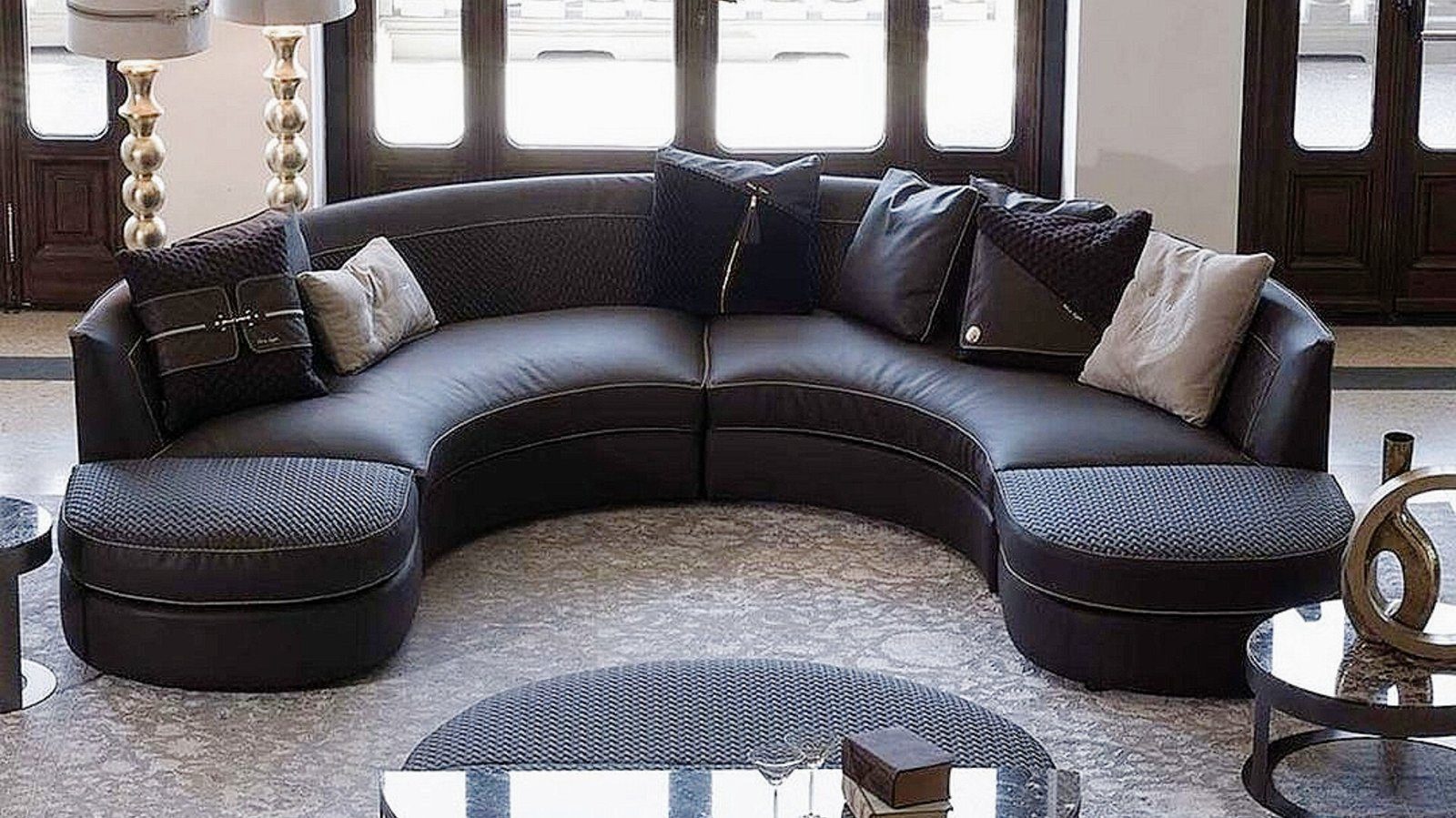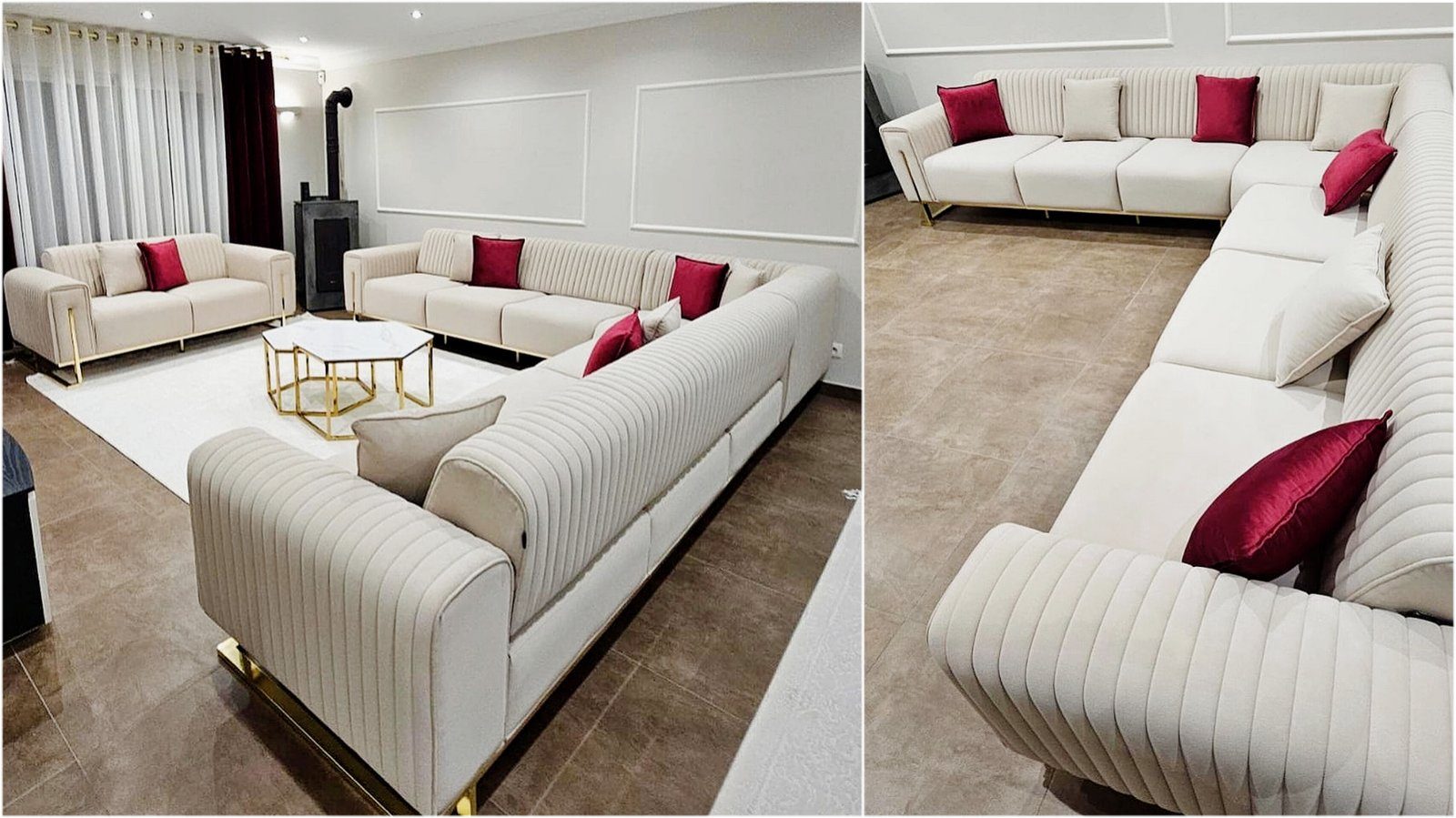

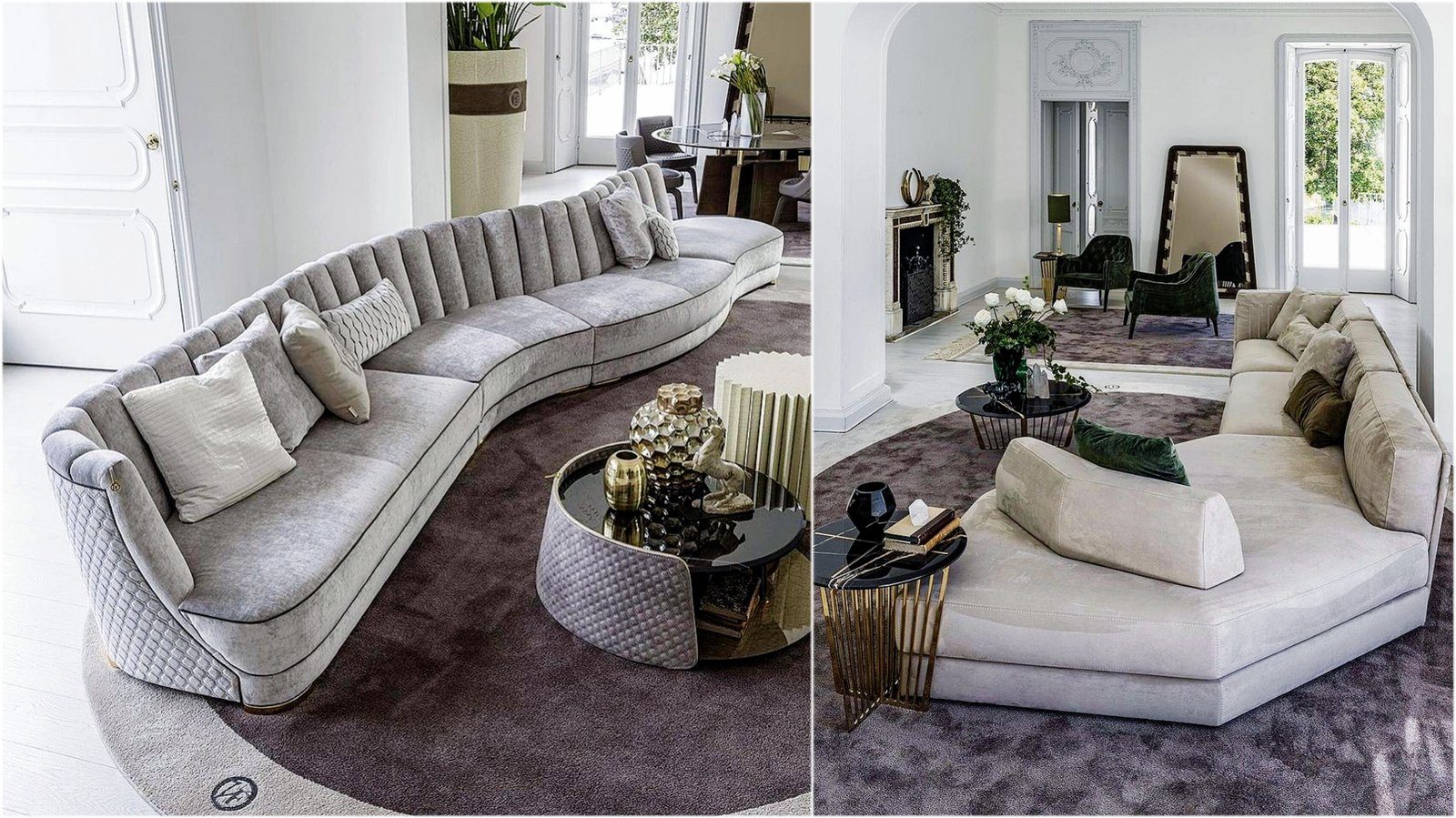
Take two sofas of identical shape and change only the upholstery, and they will look like different pieces. Vertical channels on velvet feel retro and soft, buttoned diamond tufting suggests a classic drawing room, and a smooth, taut cover reads as calm and modern. The stitching also changes how the seat feels, how the cover wears and how easy it is to clean, so decide on it at the same time as the fabric, thinking about daily use.
Channel stitching
In channel stitching, the cover is sewn together with the filling along parallel lines, creating raised bands on the surface. The channels can be vertical, horizontal or curved to follow the shape of the back.
Characteristics of this technique:
- Look: soft and airy, recalling 1970s design. On velvet and velour, light reflects differently on each channel and the surface looks alive.
- Comfort: the channels hold the filling in place and stop fibre fill from bunching.
- Proportion: vertical channels make a sofa look taller, horizontal ones make it look longer and lower.
The point to watch in care is the stitch lines between channels: dust and crumbs collect there, so regular cleaning with a soft brush vacuum attachment is needed.
Tufting
In tufted upholstery the fabric is pulled deep and fixed at set points, and the filling puffs up between them. This forms a diamond or square pattern on the surface. The tuft points are often covered with buttons, while buttonless tufting looks more contemporary.
- Look: classic and representative, often combined with leather or velvet. Chesterfield-style sofas are the best-known example.
- Making: tufting is skilled handwork, and the folds of fabric must be neatly pleated in every diamond. The denser and deeper the pattern, the more complex the job.
- Comfort: deep tufting can feel somewhat firm and uneven on a seat, so often the seat is plain while the back and arms are tufted.
Tufting needs more careful maintenance: dust gathers in the hollows around buttons, and buttons can loosen over the years. In a home with children, making sure small buttons are securely fixed is especially important.
Plain upholstery
In plain upholstery the fabric is stretched over the filling without stitch lines. The shape comes from the frame and filling, not from the fabric, and seams appear only at the edges where panels join.
- Look: minimalist and calm, suited to contemporary and Scandinavian interiors.
- Comfort: the seat feels even, with the same surface everywhere.
- Care: the easiest option to clean, since there are no lines or hollows for dust to collect in.
The demanding side of plain upholstery is precision. The slightest wrinkle or crooked seam in the stretched fabric is immediately visible. As filling softens over time, slack and creases can show sooner on plain upholstery, so filling density matters particularly here.
Decorative seams and piping
Whatever the technique, details are also chosen for the edges of the sofa:
- Piping: a thin cord-like strip sewn into the edges defines the shape and protects edges from abrasion.
- Double topstitching: two parallel lines along an edge, widely used on leather and faux leather.
- Contrast thread: highlights the stitching, but also reveals every flaw.
Matching fabric to technique
Not every fabric suits every technique. Velvet and velour look best with channels and tufting, because the folds create a play of light. Thick, stiffly woven fabrics can fold untidily in tufting. Thin, stretchy fabrics on plain upholstery show every unevenness in the filling. Leather with tufting and double topstitching is a classic combination.
In a household with pets, deep channels and buttons give claws more places to catch; a tightly woven fabric with plain or shallow channel stitching is more practical there.
Choosing by room and use
When choosing a stitching technique, it helps to think about where the sofa will stand and how it will be used:
- An everyday family sofa: plain upholstery or shallow channels, with removable covers.
- A statement sofa in the living room: channel-stitched velvet or a tufted back.
- A classic study or formal reception area: tufted leather with piping and double topstitching.
- A small room: plain upholstery or vertical channels, which make the shape look lighter.
If a room has several upholstered pieces, they do not all need the same technique; a channel-stitched armchair beside a plain sofa, for instance, adds life to the interior.
Zaferoglu Mebel makes upholstered furniture with individual sizes and fabric choices. The stitching technique, piping and fabric combination of a sofa can be chosen together from samples when ordering.