
A family's shoe count grows quickly: everyday shoes, trainers, seasonal pairs, formal shoes and slippers. When they pile up in the hallway, they look messy, narrow the passage and lose their shape. A good shoe storage system answers three questions: where everyday pairs go, where off-season pairs are kept and how both are ventilated. The right choice depends on the available space and the types of shoes.
Flat and angled shelves
Flat shelves in an open or closed cabinet are the simplest solution. Their advantage is versatility: boots, trainers and small children's shoes can share a shelf, and adjustable shelf heights allow the layout to change with the seasons. The drawback is depth: with shoes lying flat, the shelf must be at least as deep as the shoe is long.
Angled shelves hold shoes at a slant, toes up or down. In this position, shoes take less depth, and every pair is visible from the front. An angled shelf needs a lip along its front edge to stop shoes sliding off. These shelves suit high heels well, but not boots or high-top shoes.
Slim tilt-out cabinets
For narrow hallways, one of the most popular solutions is a tilt-out shoe cabinet. When the flap tips forward, the shelf inside tilts too, so shoes stand closer to vertical rather than one behind another. The cabinet can therefore be much shallower than an ordinary shoe cupboard and take up little of the passage.
There are a few things to check. The flap mechanism is opened constantly, so it must be good quality. Large men's sizes and tall winter shoes may not fit a slim compartment. The cabinet must be fixed to the wall, because when all flaps are open the centre of gravity moves forward. Its top usually serves as a shelf for keys, gloves and post; if a mirror or heavy items will stand on it, that is taken into account when fixing. Children tend to use the flaps as steps, so in homes with children this risk deserves particular attention.
Drawers and wardrobe sections
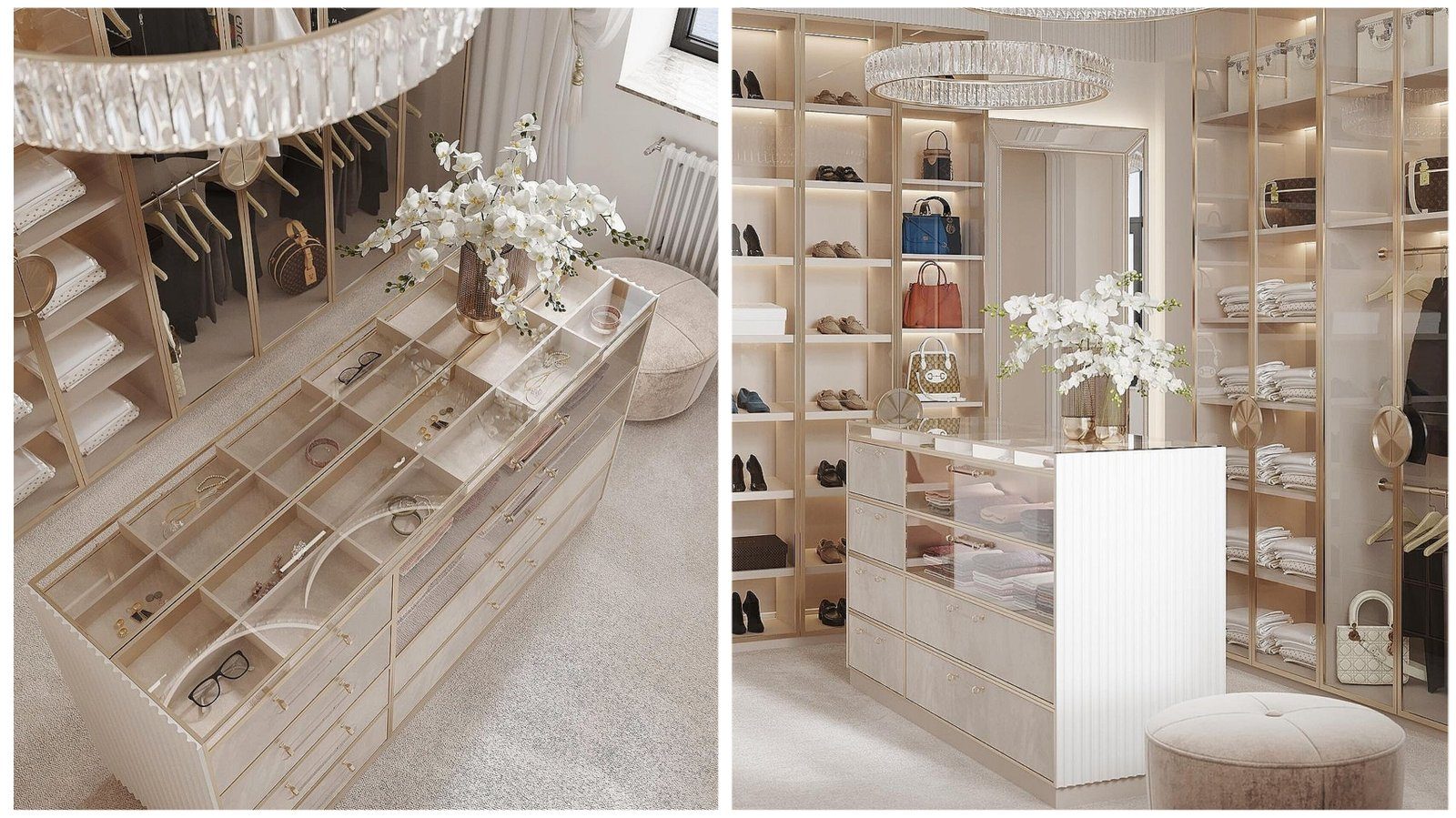
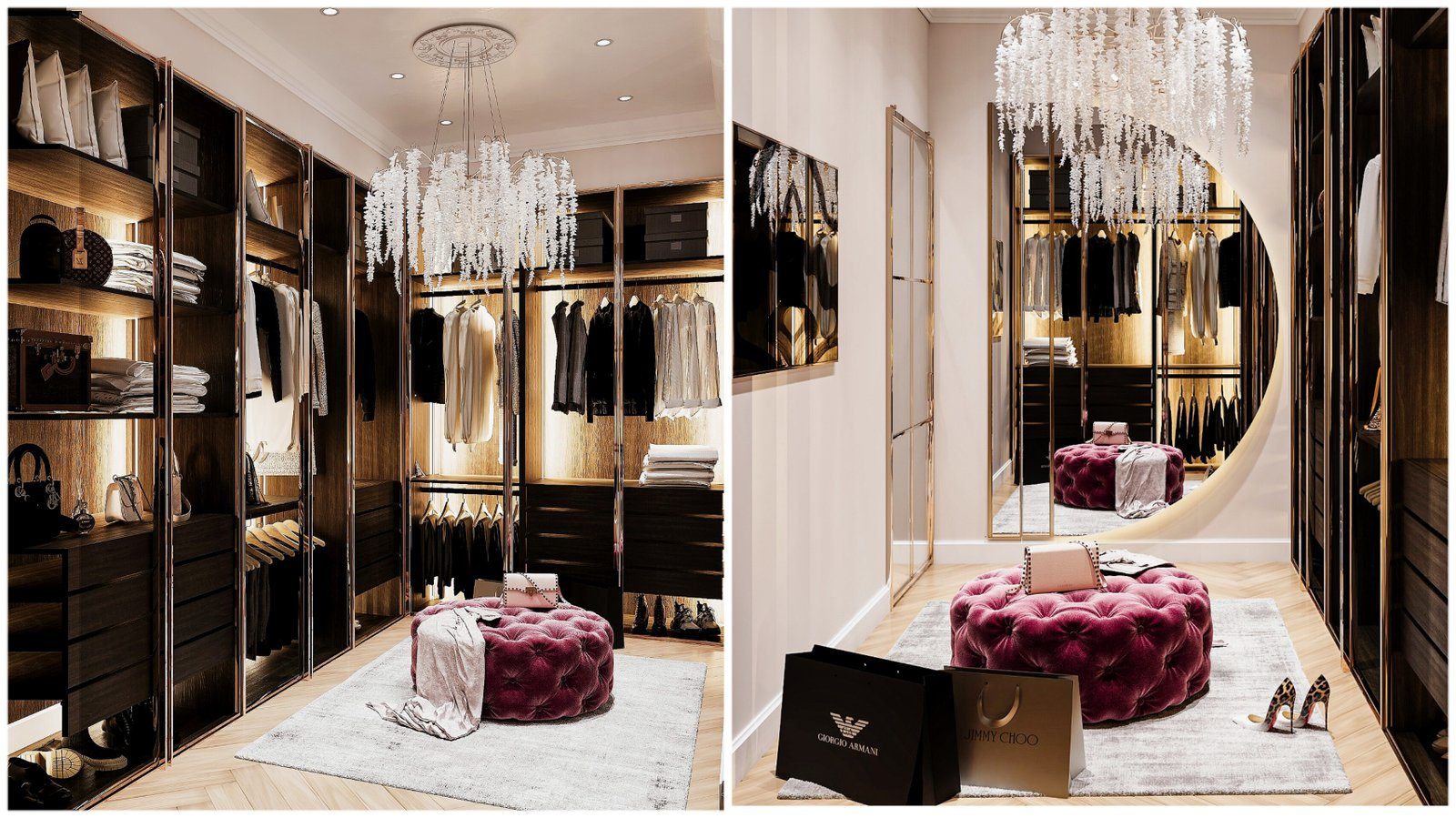
In a wardrobe or walk-in closet, low full-extension drawers for shoes are very convenient. When opened, every pair is visible from above, while dust stays out. This suits shoes that are worn less often and need careful storage.
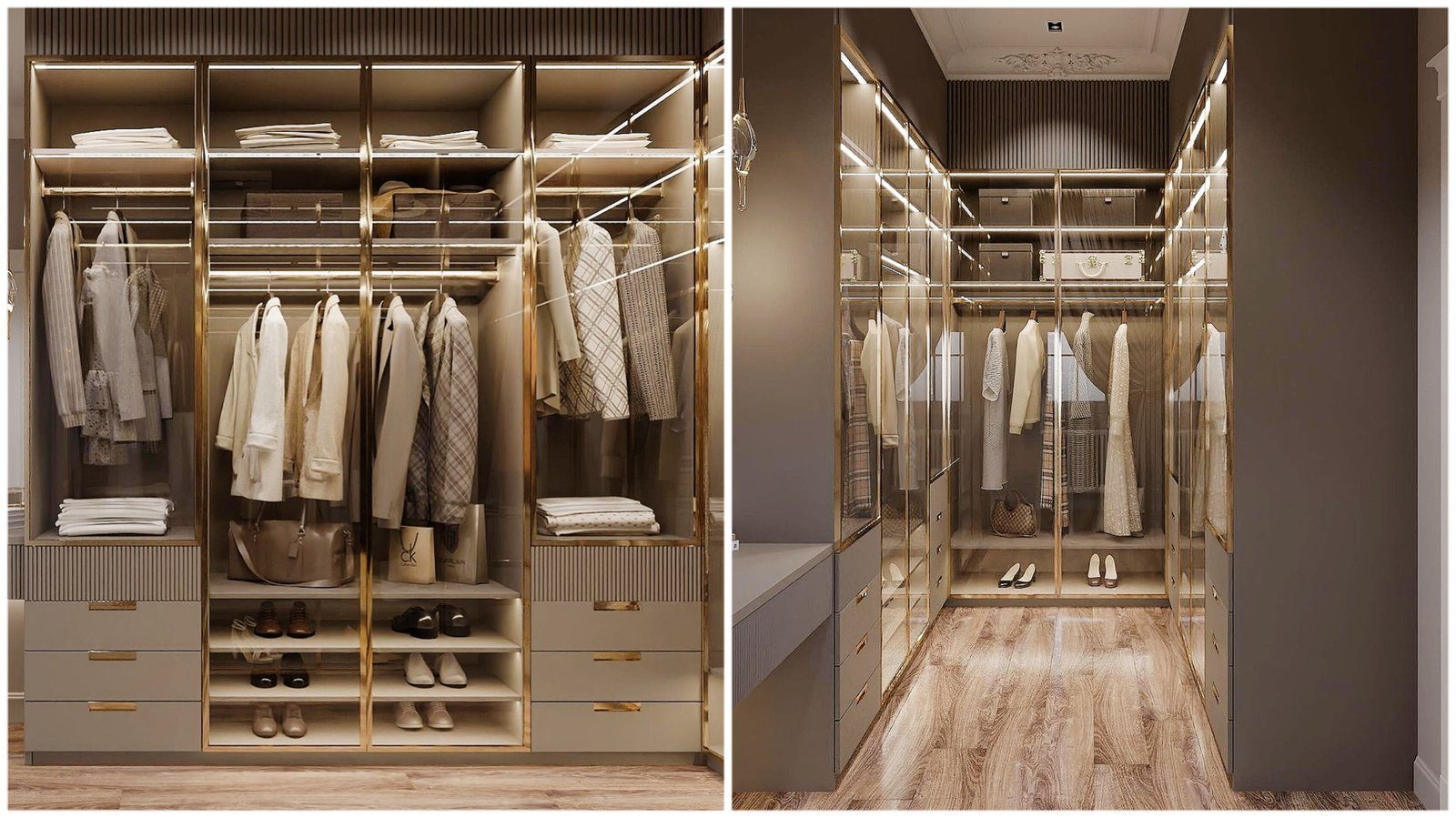
Pull-out metal shoe racks at the bottom of a wardrobe are also used. They let air circulate, but small children's shoes and thin-strapped sandals can slip between the bars. Tall boots need a separate tall section or boot shapers to keep their form.
A dedicated shoe cabinet
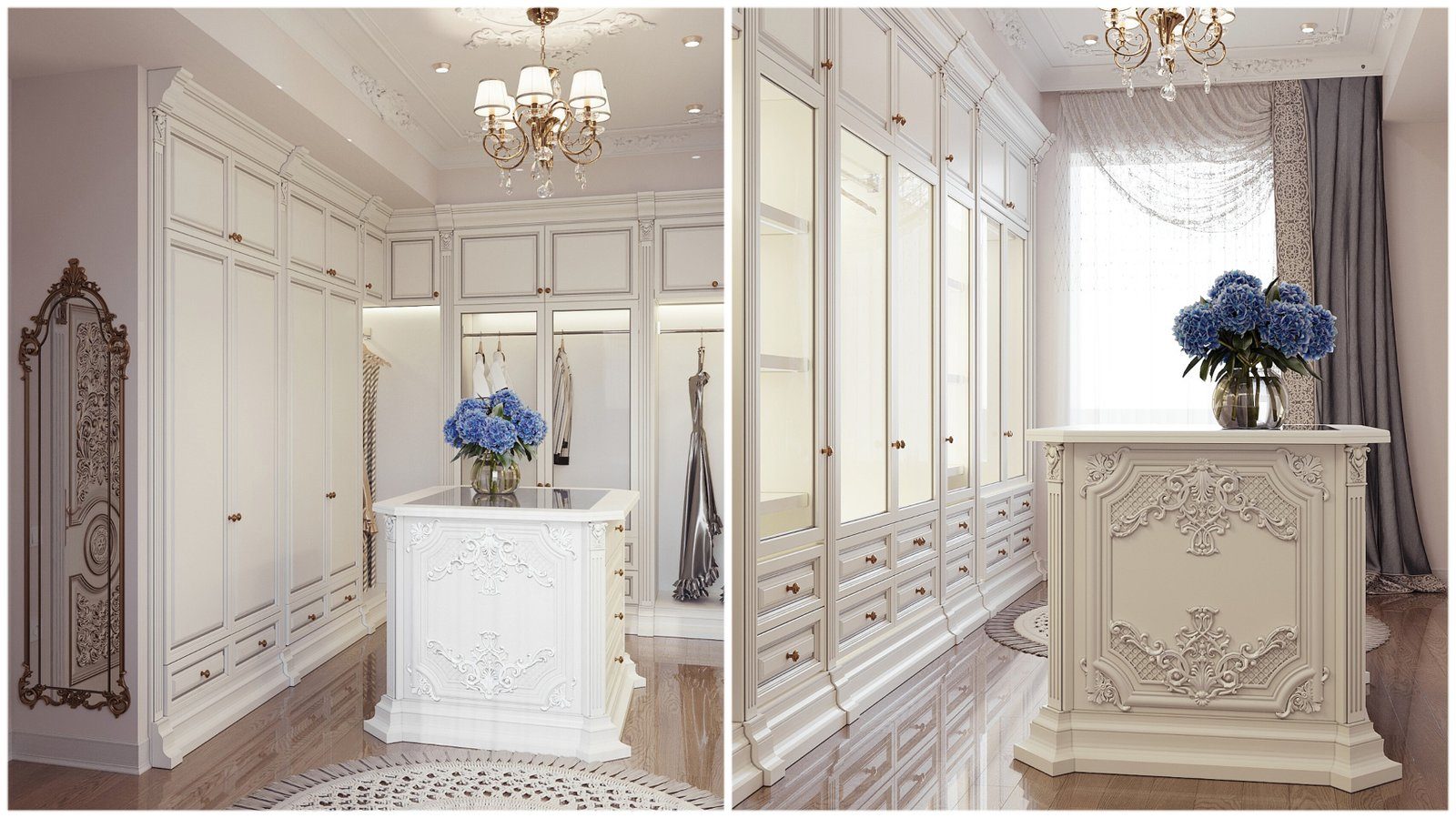
For families with many shoes, a separate tall shoe cabinet is the tidiest solution. Inside, shelves of different heights can be arranged: light summer shoes at the top, everyday pairs in the middle, boots at the bottom. If the cabinet stands in the hallway, placing it as one composition with the wardrobe and using the same material for the fronts keeps the space calm.
Keeping everyday shoes closest to hand at a comfortable height, and off-season pairs in upper or less accessible sections, is the rotation principle. Swapping them when the season changes takes only a few minutes.
Ventilation and hygiene
Moisture and odour are the main problems with closed shoe storage. To prevent them:
- Plan ventilation holes or slots in the doors or back panel.
- Do not put wet shoes straight into a closed cabinet; dry them on an open shelf first.
- Choose wipeable shelf surfaces and clean them regularly.
- Put shoe trees or paper inside shoes stored for long periods.
- Do not place a shoe cabinet right next to a hot radiator, as leather can dry out and crack.
Zaferoglu Mebel builds hallway units to measure, so tilt-out racks, drawers or a separate shoe cabinet can be chosen by counting the family's pairs and checking how deep the hallway is.