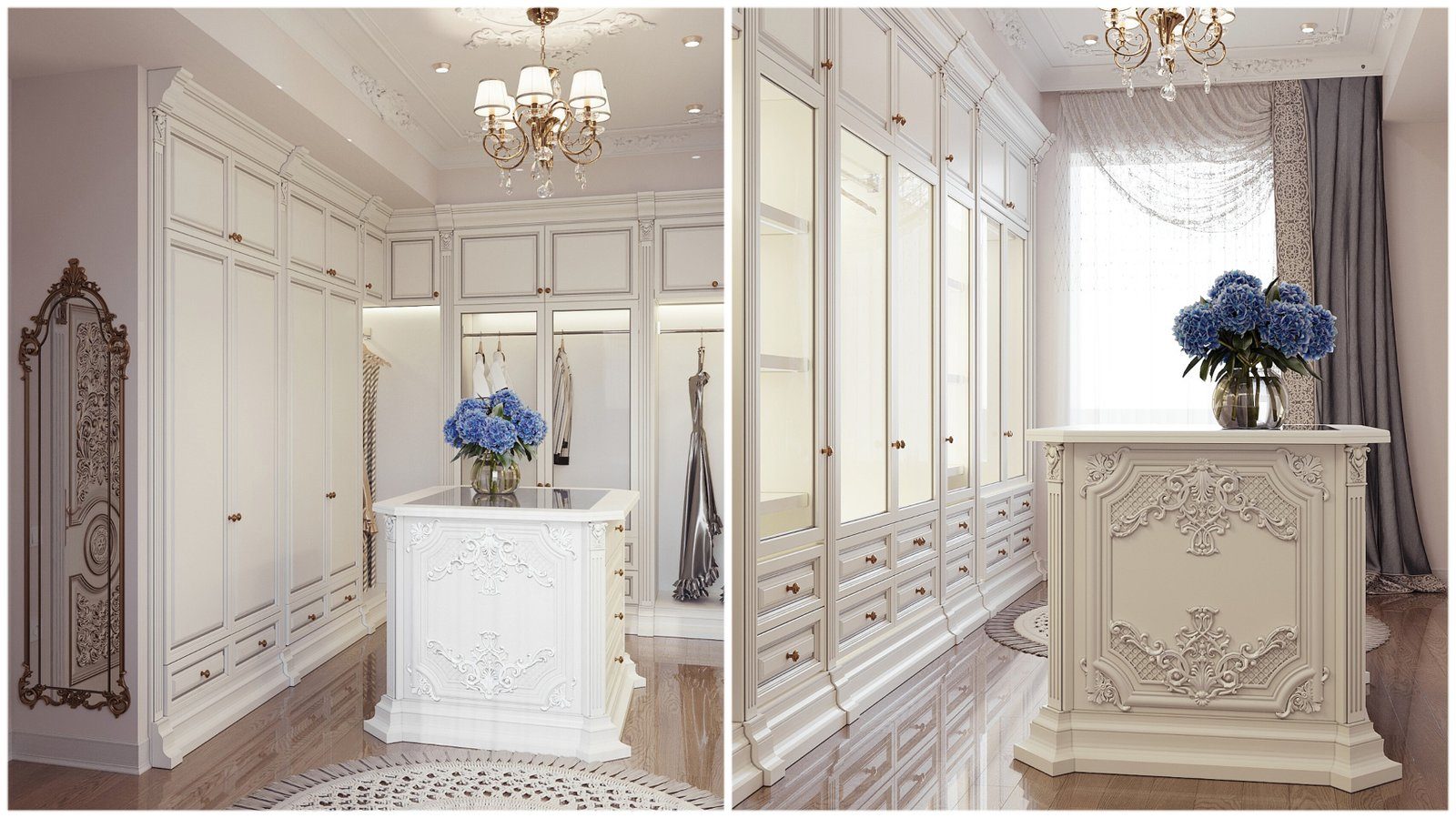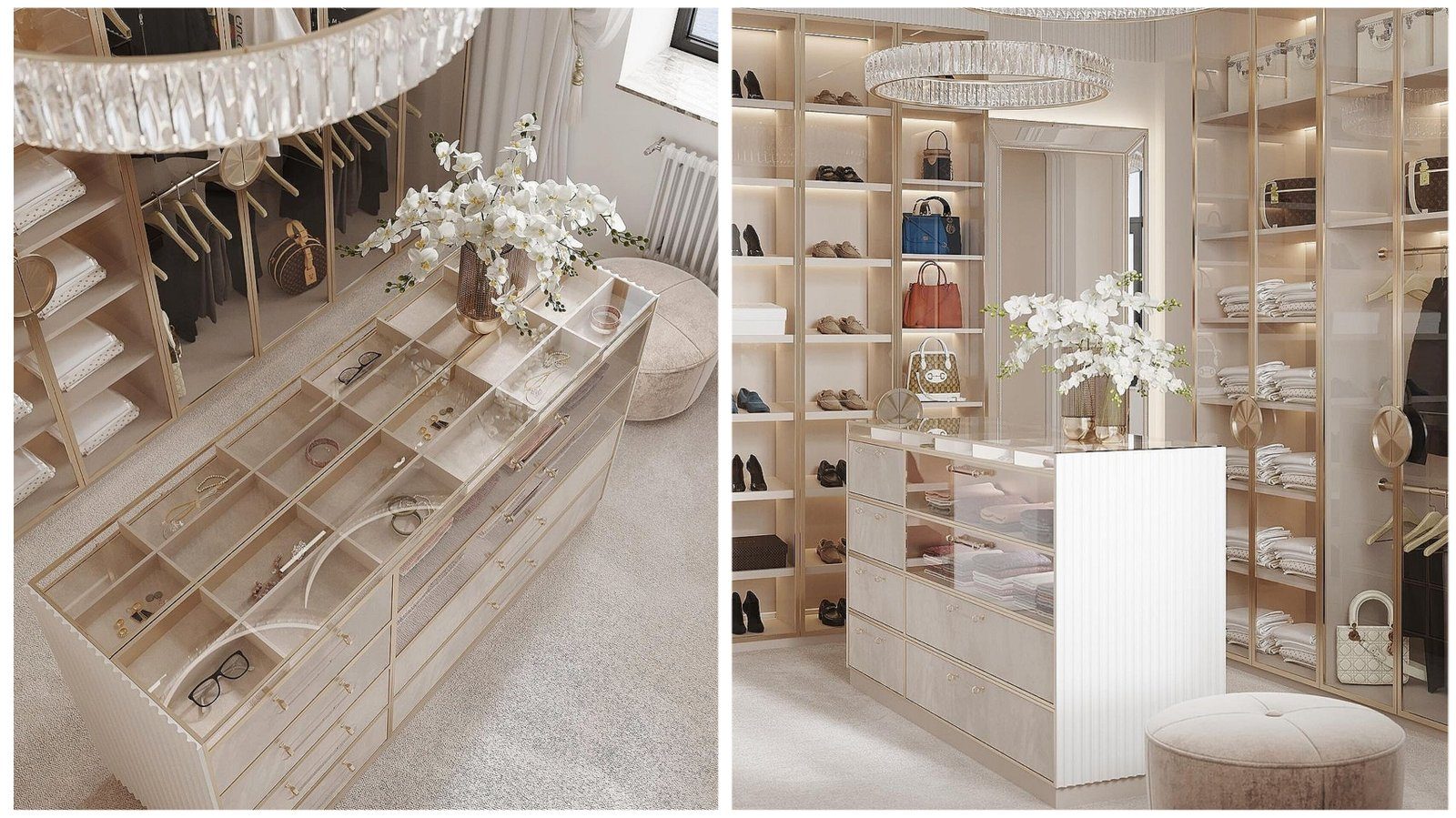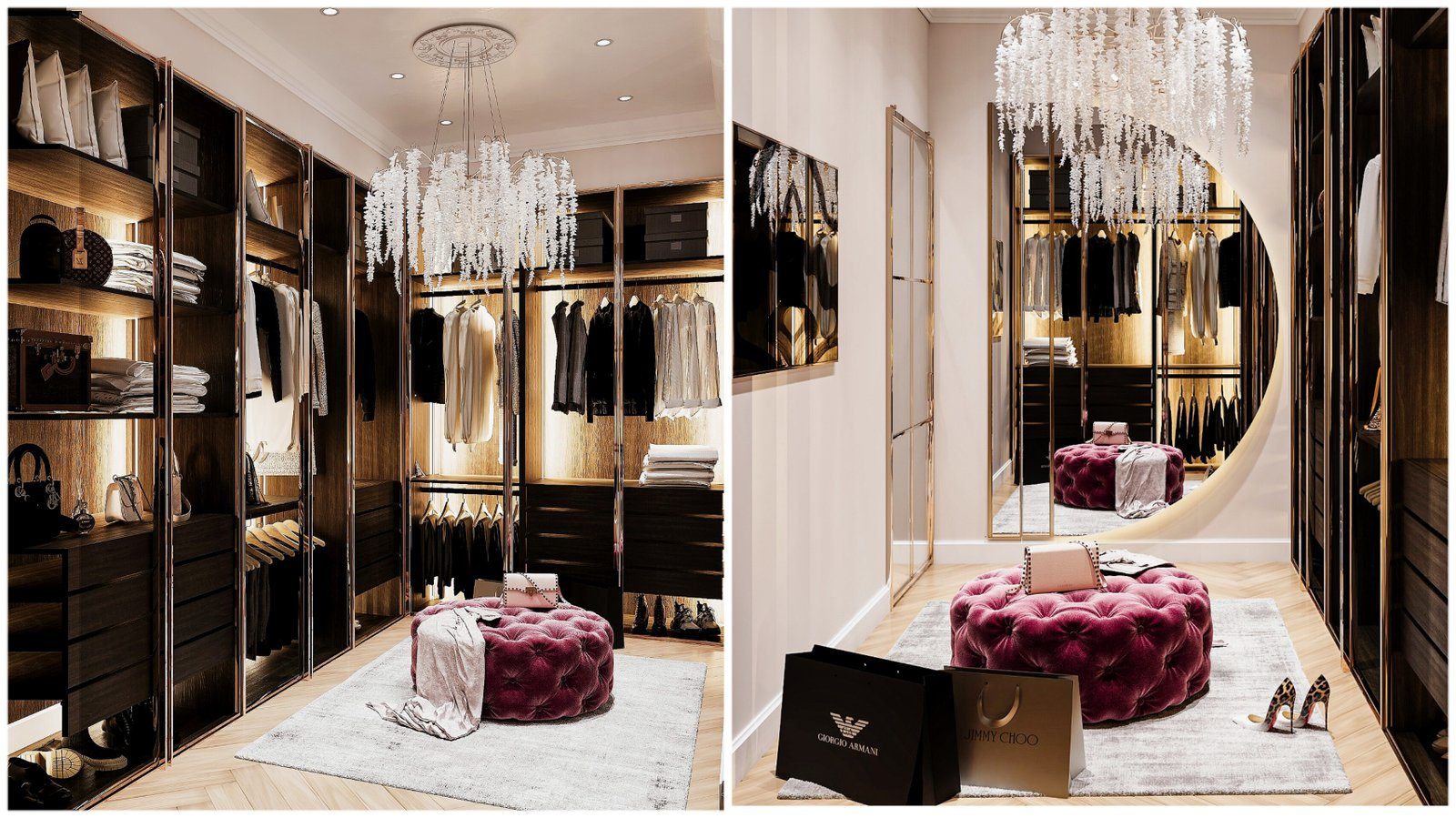

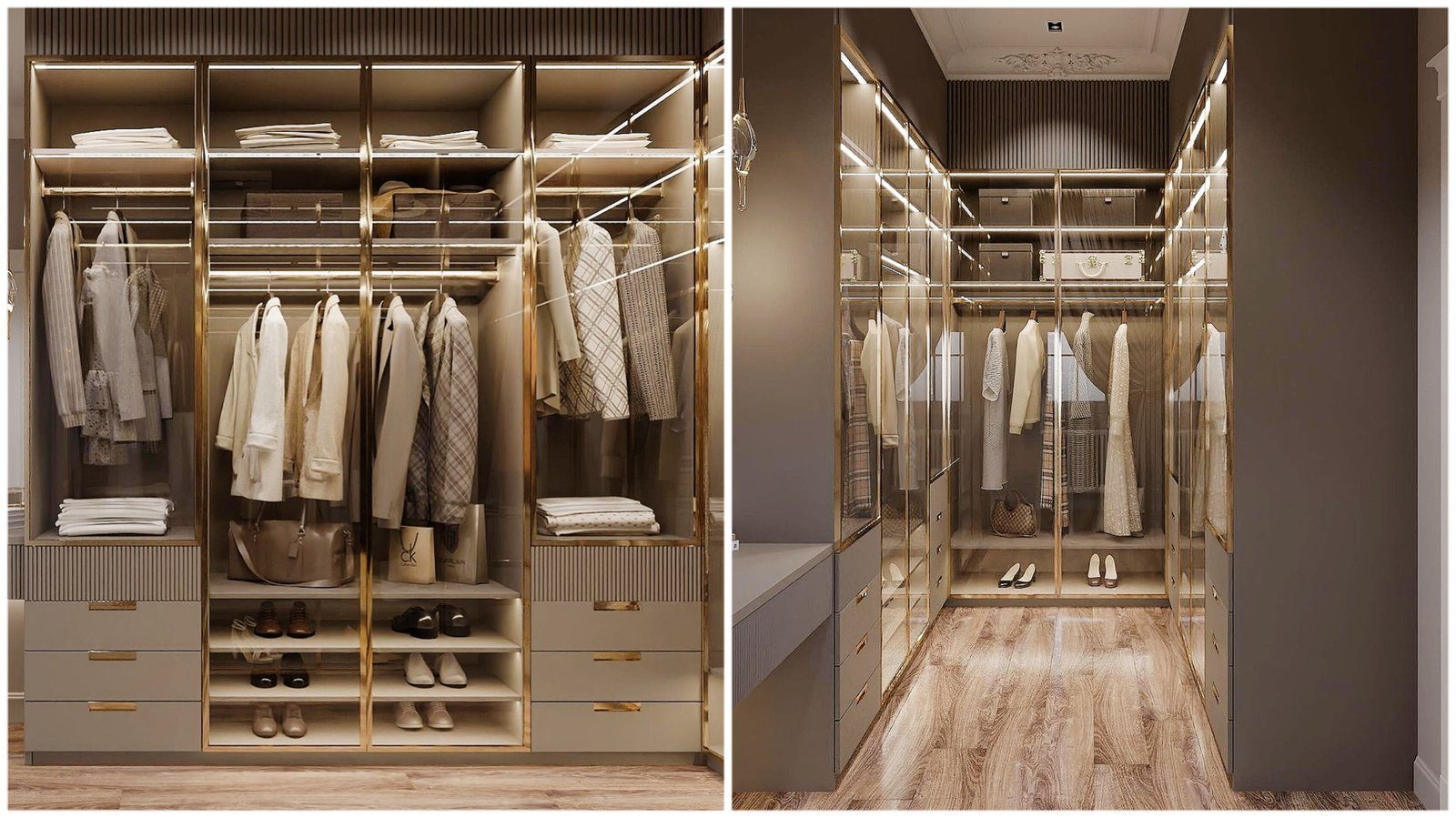
Twice a year the same scene repeats itself: in spring the heavy coats, wool jumpers and winter duvet need to go somewhere, and in autumn the summer clothes have to make room. When these items occupy the most accessible part of the wardrobe, finding what you need each morning becomes a struggle. Space set aside for seasonal storage in advance solves the problem.
Start by estimating the volume
Before designing the furniture, you need a rough idea of how much space seasonal items take. A simple method is to gather one season's things and see how many boxes or bags they fill. The usual list includes:
- winter or summer clothing, separately for each family member;
- spare duvets, blankets and throws;
- a guest mattress or folding mattress;
- pillows and seasonal bedding sets;
- winter shoes, boots and accessories.
Uncompressed duvets and pillows take up a lot of volume. Underestimating them is why a pile of bedding is often still sitting in the bedroom after the new wardrobe has been installed.
The make-up of the household matters too. As children grow, their seasonal clothing takes up more room, and a home that often has guests keeps more spare duvets and mattresses. It therefore makes sense to allow a little more space than you need today: an empty compartment will certainly fill up within a few years, while a lack of space forces you to buy extra furniture later.
The upper wardrobe zone
The top section of a floor-to-ceiling wardrobe is a natural place for seasonal storage. It is hard to reach for daily use and is opened only once or twice a year. Several points matter when planning it:
- Depth and height. The internal height of the section should match the size of your storage boxes; a very low compartment only suits thin items.
- Separate doors. If the top section has its own smaller doors, you do not have to open the large door below to reach it.
- Shelf strength. Heavy boxes on a long shelf can cause sagging over time. Wide compartments need an intermediate support or a thicker board.
- How you reach it. Plan for a stable, sturdy step ladder; standing on a chair is dangerous.
Under the bed and lift-up mechanisms
Beds with a lift-up mechanism create a large enclosed space beneath the mattress. Duvets, a guest mattress and winter bedding keep well here, because dust does not settle directly on them. The gas struts must match the weight of the mattress: weak struts will not hold it up, while overly strong ones make it hard to close.
If you prefer not to have a lift-up bed, drawers on castors or runners can be planned under it instead. This is handier for everyday use, but there must be clear space beside the bed to pull the drawers out.
Ventilation and protecting materials
Seasonal items spend months shut away, so storage conditions matter:
- Wool and natural fabrics. Store them clean and completely dry. Stains and odours set in further over the months. Cedar blocks or lavender sachets help deter moths.
- Vacuum bags. They greatly reduce the volume of synthetic duvets and bulky clothing. However, keeping feather or down duvets and pillows fully compressed for long periods can make it harder for them to regain their loft; breathable fabric bags suit them better.
- Moisture. In a wardrobe against an external wall, a small gap between the back panel and the wall reduces the risk of condensation. Ventilation holes in closed sections can also help.
- Plastic boxes. Airtight plastic boxes keep dust out, but if anything damp goes inside, it will start to smell.
Hallways and other spots
If the wardrobe has no room to spare, seasonal storage can move to another zone. Wall cabinets near the ceiling in a hallway, the space above a door, or a deep storage cupboard by the entrance suit duvets and winter footwear. What matters is giving each zone a specific group of items: an "a bit of everything everywhere" approach means more searching every time the season changes.
Labelling boxes or using transparent ones is a simple but very effective habit.
Zaferoglu Mebel makes wardrobes and bedroom furniture to individual dimensions; when the volume of seasonal items is discussed at the design stage, the top sections and under-bed storage can be sized accordingly.