
In a training centre, the same room may host a language course in the morning, a programming class in the afternoon and a seminar in the evening. Each format needs a different layout, different equipment and different storage. A room filled with fixed rows does not adapt to these changes, while very lightweight furniture wears out quickly under intensive use. Training room furniture is planned around a balance between flexibility and durability.
The lesson format determines the layout
Before choosing furniture, write down which classes will take place in the room. The most common layouts are:
- Classroom layout: rows facing the board. Suitable for lectures and exams, and makes the most of the floor area.
- U-shape: tables surround the teacher and screen on three sides. Comfortable for discussions and language courses, as every participant sees the others.
- Group islands: clusters of tables for four to six people. Works well for project work and team tasks.
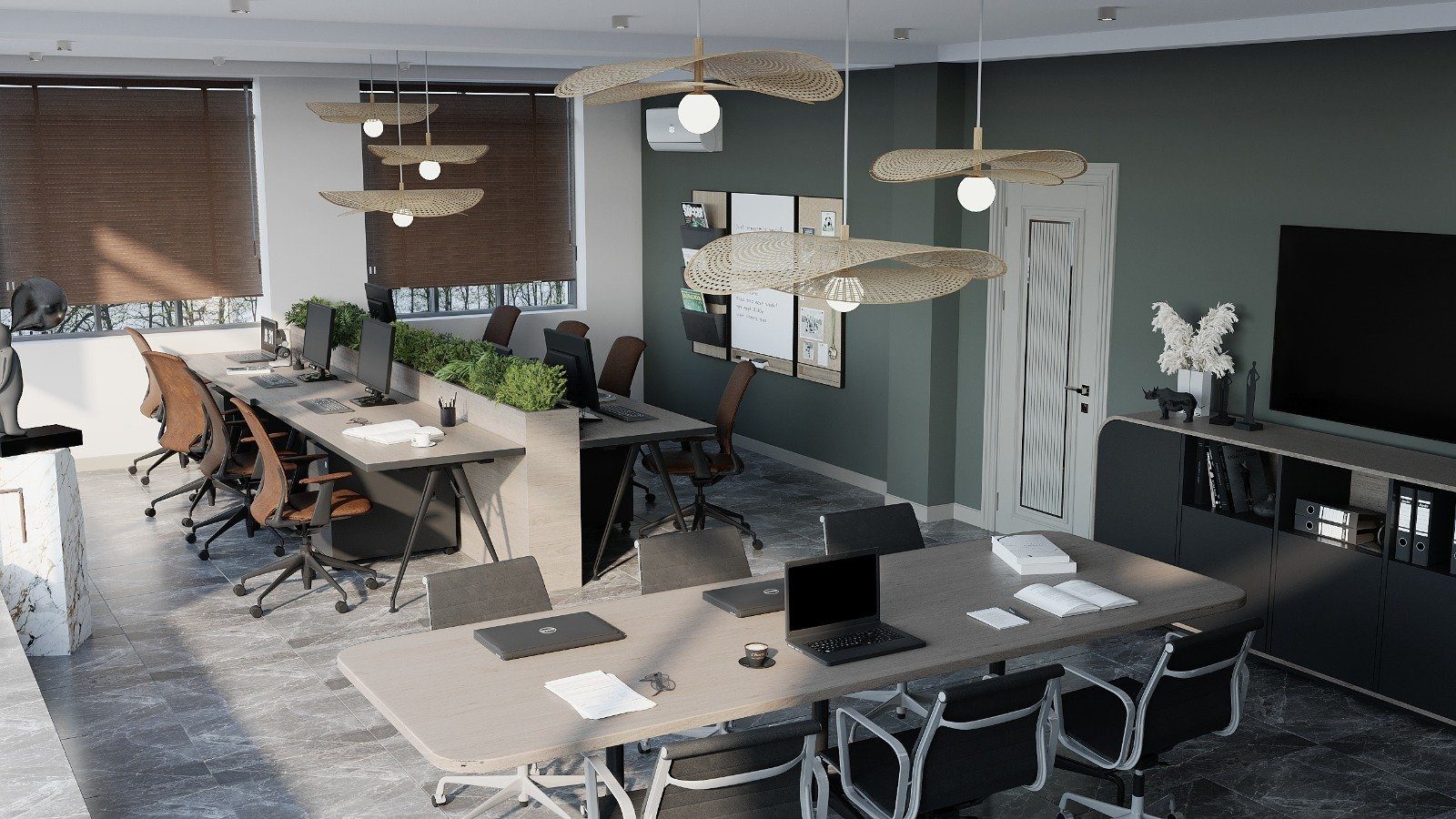
- Computer workstations along the walls: screens face the wall and the teacher can see every screen from behind.
If the room will work in several formats, choose table sizes that can be joined to form both rows and islands. Rectangular modular tables are the most flexible option in this respect.
Flexible furniture: castors, folding and stacking
If the layout changes often, furniture needs to move easily. Tables on lockable castors can be moved by one person, and the locks keep them steady during class. Tables with flip-top surfaces fold away against the wall after class, freeing the room for an event or workshop. Stacking chairs serve the same purpose.
Flexibility should not come at the cost of stability, though. A mobile table must not slide while someone is writing, and a folding mechanism must stand up to daily use over a long period. Protection against trapped fingers matters in a teaching environment, especially with groups of children and teenagers.
Durable surfaces and edges
Furniture in a training room is used far more intensively than at home. Several groups a day sit at the same tables, put bags down, knock chairs against the tables and work with markers and pens. That makes surface material and edges especially important:
- High-pressure laminate or wear-resistant laminated board copes well with scratches and marker stains.
- Thick edge banding protects desktop corners and edges from knocks, and rounded corners reduce the risk of injury.
- Light but not pure white colours look bright and also hide everyday marks.
- Tables and chairs with metal frames cope better with frequent moving.
Chair and table heights should suit the age of participants. If children's and adult groups share the room, consider height-adjustable chairs or furniture sets in two sizes.
Cables, equipment and the teacher's position
Today almost every course uses laptops, tablets or phones. Power socket positions must be planned together with the furniture layout; otherwise extension leads across the floor cut through walkways. Lidded power units set into the desktop and cable trays under the tables are both safe and tidy. In a computer room, allow space and ventilation under the tables for system units.
The teacher's desk should face the class without blocking the screen or board. Next to it, a cable outlet for the projector, laptop and audio equipment, along with a lockable drawer or small cabinet, is useful.
Material storage and acoustics
A room needs closed storage for books, workbooks, markers, and lab or art supplies. Tall cabinets along a wall save space, and lockable sections let each group keep its materials separate in centres where several teachers share a room. Cabinet doors must not obstruct walkways or tables during lessons.
Sound affects furniture choice too. Hard surfaces such as tiled floors, bare walls and metal furniture reflect sound, and during group work a room quickly becomes noisy. Chairs with upholstered seats, fabric wall panels, curtains and silent glides on chair legs reduce echo and scraping noise.
A short planning check: which formats will the room host, for how many people and which age groups, with what equipment, where will materials be stored, and who will rearrange the layout and how quickly?
Zaferoğlu Mebel makes furniture for offices and commercial premises to individual measurements. With a room plan and a list of lesson formats, table sizes, storage modules and the teacher's position can be planned in a single design.