
Customers in a pharmacy are usually in a hurry, prescription in hand, with others waiting in line. The pharmacist has to find the right item among hundreds of names in seconds. Pharmacy furniture must meet both needs at once: display products on the sales floor and provide precise, orderly storage behind the counter. Ordinary shop shelving handles only part of the job.
The zones of a pharmacy
A typical pharmacy has three main zones. The sales floor is where customers browse freely and pick up non-prescription products such as cosmetics, vitamins, hygiene items and baby products. The counter is the pharmacist's point of contact with the customer. The back zone is where prescription medicines are stored, out of sight or only partly visible. The furniture plan should clearly define the boundaries between these zones and the lines of movement.
The sales floor: shelving and displays
Sales-floor shelving is built to present products at eye level. Best-sellers and impulse items go at eye and hand height, heavy and bulky packs lower down and slower lines at the top. A profile for price labels runs along the front edge of the shelves.
Because pharmacy packaging is small and light, shelves can be shallower than in a supermarket. On a shallow shelf products do not get lost at the back and are quick to restock. Shelf heights should be adjustable, since the range changes with the seasons. Lockable glass cabinets are also used for higher-value cosmetics.
The counter: privacy and speed
A pharmacy counter is a till, a consultation point and a workspace for checking prescriptions. Its length is set by the number of pharmacists working at the same time. Each position should have its own till, scanner and small storage drawer.
Privacy between customers is often overlooked. Someone discussing their illness with a pharmacist does not want the queue behind them to hear. Glass or panel screens between positions, and keeping the queue line a little back from the counter, ease this problem.
The front of the counter usually has shallow shelves for small impulse items. The customer-side edge is touched constantly, so it should be made of a durable material.
The back zone: drawer systems
Medicine storage is the most specialised part of pharmacy furniture. Instead of open shelves, it often uses many narrow, deep drawers. Boxes stand upright in each drawer with their ends facing up, so the pharmacist opens a drawer and reads the names from above. This system is very efficient for large numbers of light products of consistent size.
These drawers need full-extension runners that can take hundreds of openings a day. Poor runners start to stick within months. Each drawer front should have space for a name or alphabetical label.
Medicines that require special storage conditions need a refrigerator and, where regulations require it, a lockable cabinet. Their position, size and ventilation are marked on the furniture plan in advance.
The back zone also needs space for receiving deliveries. Without a separate worktable for opening, checking and distributing incoming boxes into drawers, this work ends up on the counter and slows down customer service.
Hygiene and materials
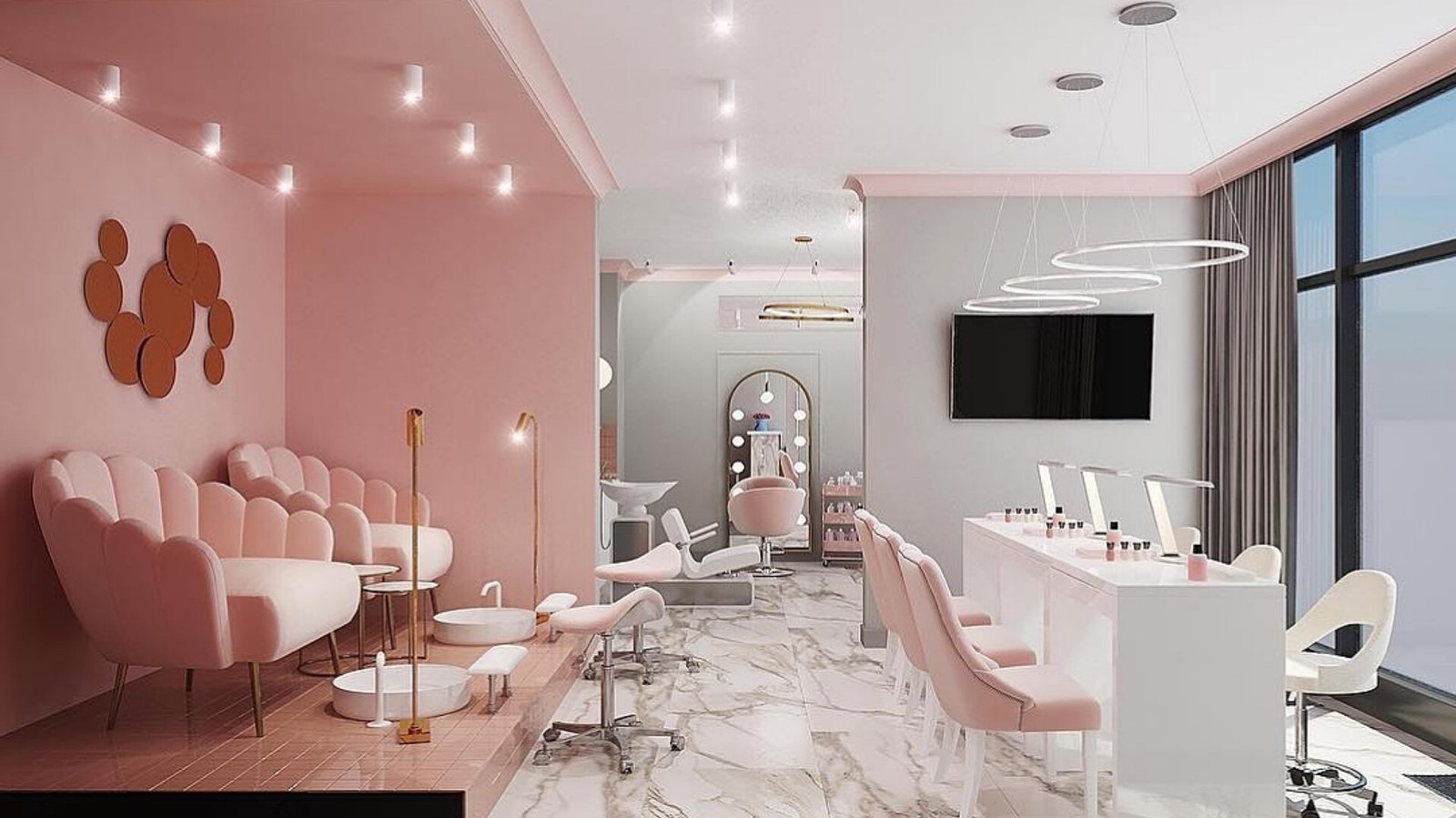
Pharmacy surfaces are cleaned frequently with disinfectants. Materials need to withstand these chemicals and be non-porous and as seamless as possible. Laminated board, HPL facing and glass are practical choices, while open-pored timber makes hygiene harder. Well-sealed edges stop dust and dirt collecting. Light tones reinforce a sense of cleanliness and calm the colourful backdrop of product packaging.
Lighting is part of the furniture too. LED profiles built into shelves make product names easier to read, and shadow-free light above the drawers in the back zone reduces the chance of picking errors.
A planning checklist
- How many pharmacists will work at the same time?
- What is the rough volume of prescription and non-prescription stock?
- Are the sizes of the refrigerator, safe and lockable cabinet known?
- How will the queue line and privacy be handled?
- Which cleaning products will be used on the surfaces?
For a pharmacy fit-out with Zaferoglu Mebel, knowing the size of the product range and how the pharmacist works from the outset lets shelving and drawer banks be sized around both.