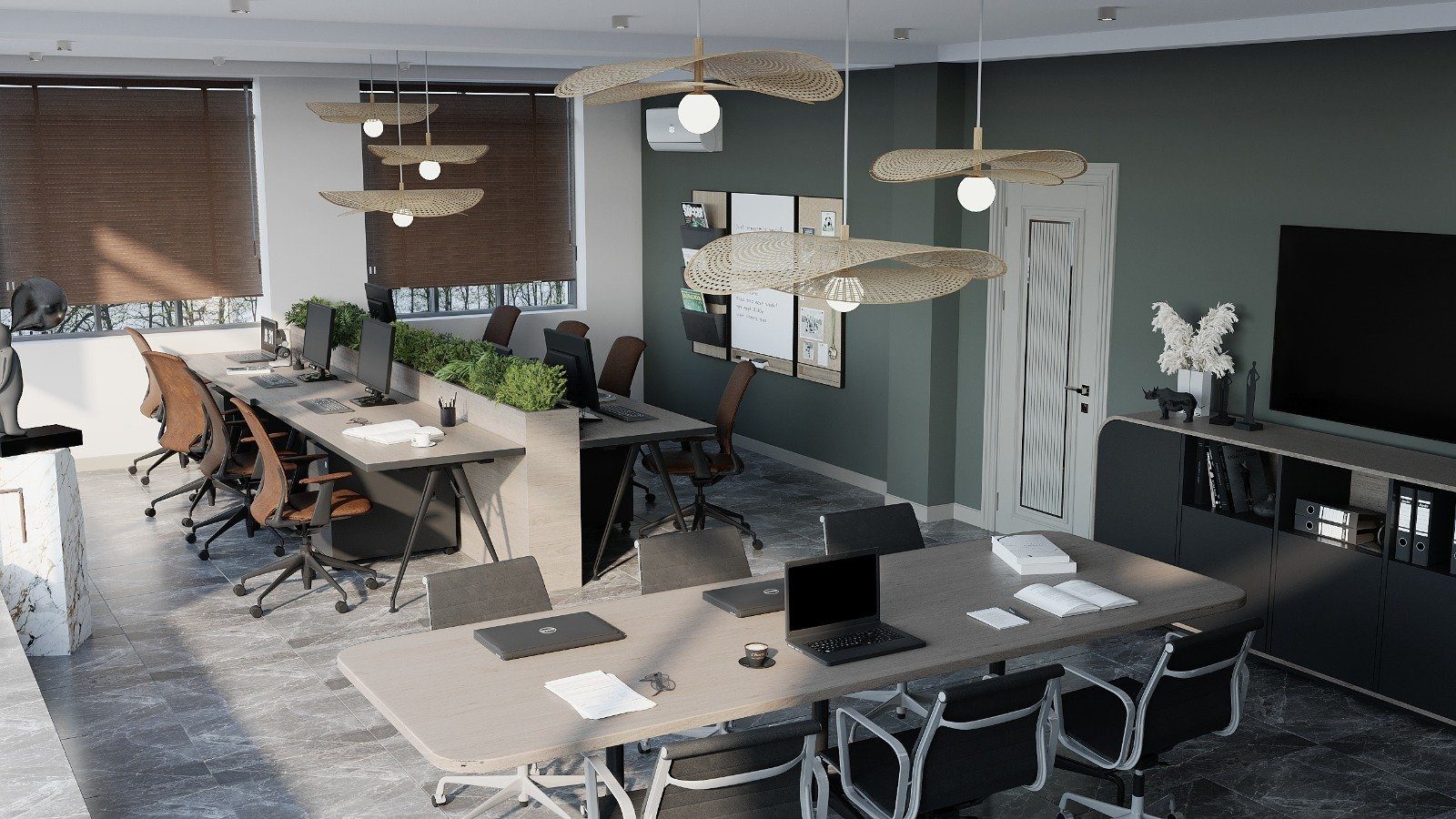

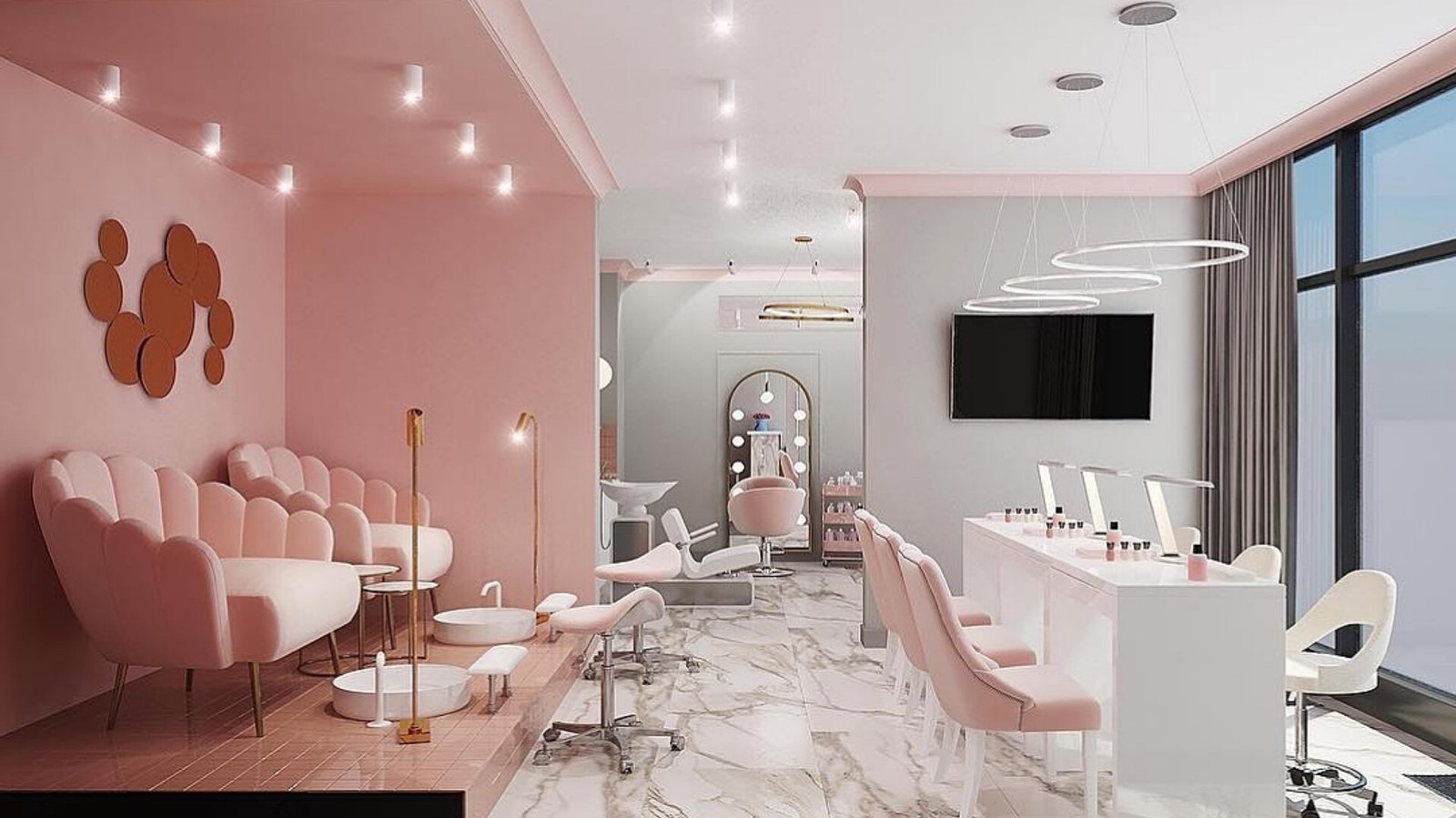
A showroom has a different purpose from a shop. In a shop, shelving holds as much stock as possible. In a showroom each product is given room to breathe. Buyers should be able to approach it, touch it, compare it and talk their decision through with a sales adviser in comfort. Display furniture is the backdrop to all of this, and when it is badly arranged even the best product goes unnoticed.
The buyer's route: from entrance to sales desk
Before drawing anything, imagine a visitor's route. An eye-catching display near the door comes first, then the product groups, and at the end a quiet corner to sit and talk. Leave aisles broad enough for a couple to walk together and for customers to step back and view a piece from a distance.
It makes sense to place bestsellers or a new collection near the entrance at eye level. More technical products that need choosing work better close to the adviser, where they can be explained in detail.
To hold a buyer's interest deeper into the space, each zone needs a focal point: a wall panel in a different colour, a lit niche or a tall composition. Otherwise people look at one or two products by the entrance and turn back, and the rear zones are hardly visited. When drawing the plan, it is worth checking the sight line from the furthest corner back to the entrance as well.
Plinths and pedestals
A plinth separates a product from the floor and gives it status. The same object looks ordinary on the ground and becomes an exhibit on a low platform. When planning plinths:
- choose the height to suit the product: large items look better low down, small ones on a taller pedestal;
- the top must carry the product's weight without sagging;
- the edges must resist knocks, because visitors and cleaners touch them constantly;
- hollow plinths can include storage or a channel for cables.
Display cases and closed displays
Small, valuable or fragile items are shown in glass cases. Internal lighting must not distort the product's colour or create reflections on the glass. Where the light source sits, for example a profile hidden in the front edge of the shelf, matters for this.
Locks, stays and cleaning also need thought. Glass that collects hundreds of fingerprints a day must be easy to reach. The swing of the doors should not block the walkway.
Sample walls and material displays
Some showrooms show samples rather than whole products: fabric books, colour swatches, pieces of doors and surfaces. These call for dedicated wall systems, such as pull-out panels, hanging sample boards and small samples kept in order in drawers.
The main requirement of such a system is order. If every sample has a known place, the adviser finds it quickly and puts it back. A label with a code or name next to each sample makes comparison easier.
The sales and consultation area
Most decisions are made sitting down. The sales desk should let the buyer and adviser sit on the same side or at a corner and look at a catalogue or screen together. Sitting face to face makes the conversation formal, while sitting side by side feels like working together.
Next to the desk there should be closed storage for documents, samples and contract forms. Stacks of paper left out spoil the tidy look of the display.
Seating comfort in the consultation area also deserves attention. Conversations about large orders can take a long time, buyers often come with family members and compare colours and sizes several times. Extra chairs, a small corner where children can sit and a desktop large enough to spread samples out all help keep the conversation from being cut short.
A display that changes
Collections change from season to season, so showroom furniture is often modular. If shelf heights can be adjusted, plinths moved and wall panels re-covered with new graphics, the showroom does not have to be rebuilt from scratch for every collection.
Points to check while planning:
- Is the main composition visible from the entrance?
- Are the walkways wide enough for comfortable movement?
- Does the lighting show the product's true colour?
- Are stock and paperwork hidden from the display?
- Can the elements be rearranged for a new collection?
Zaferoglu Mebel makes custom furniture for shops and other commercial premises. In a showroom project, designing display elements together with product sizes, weights and the lighting plan gives a more precise result.