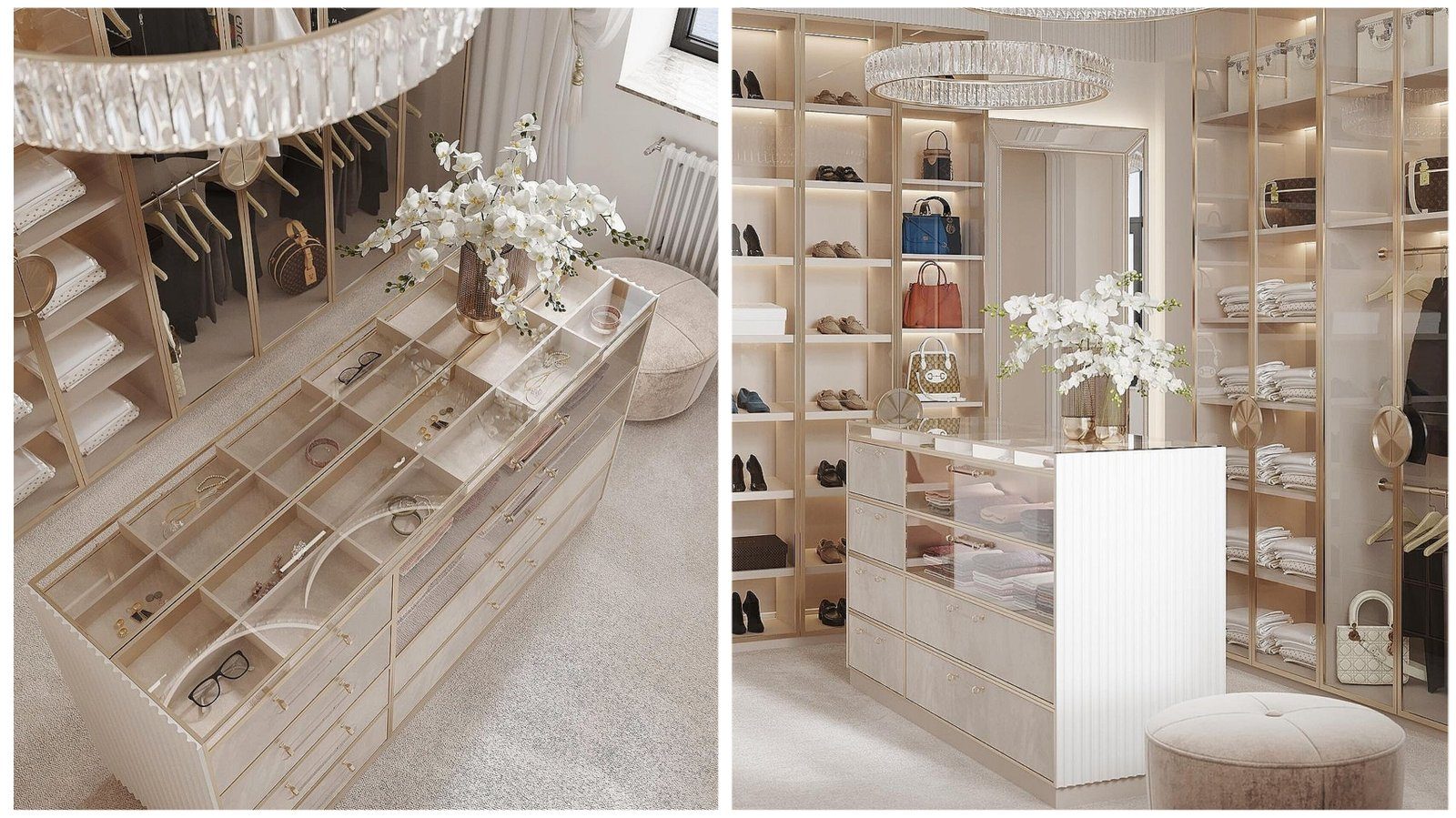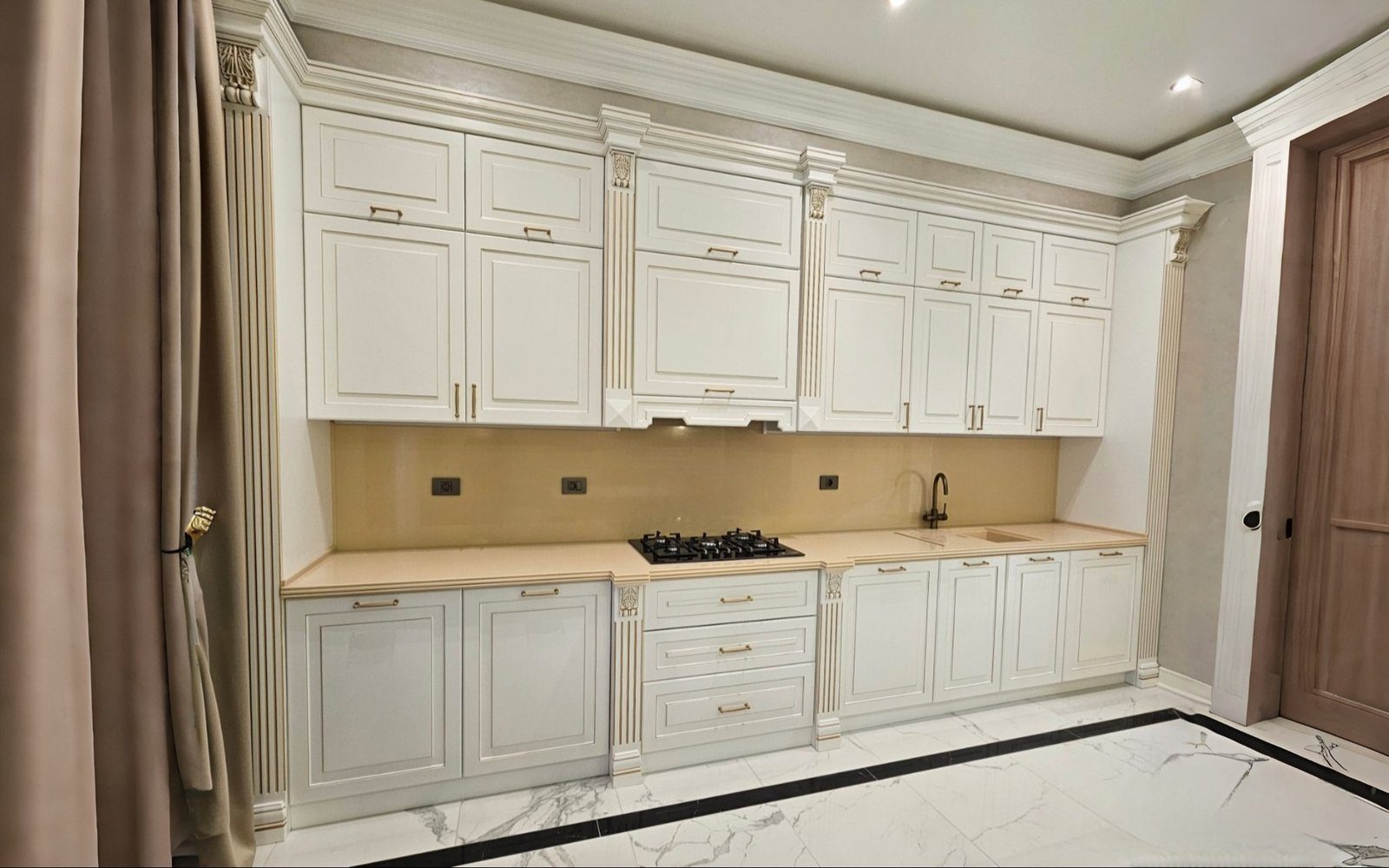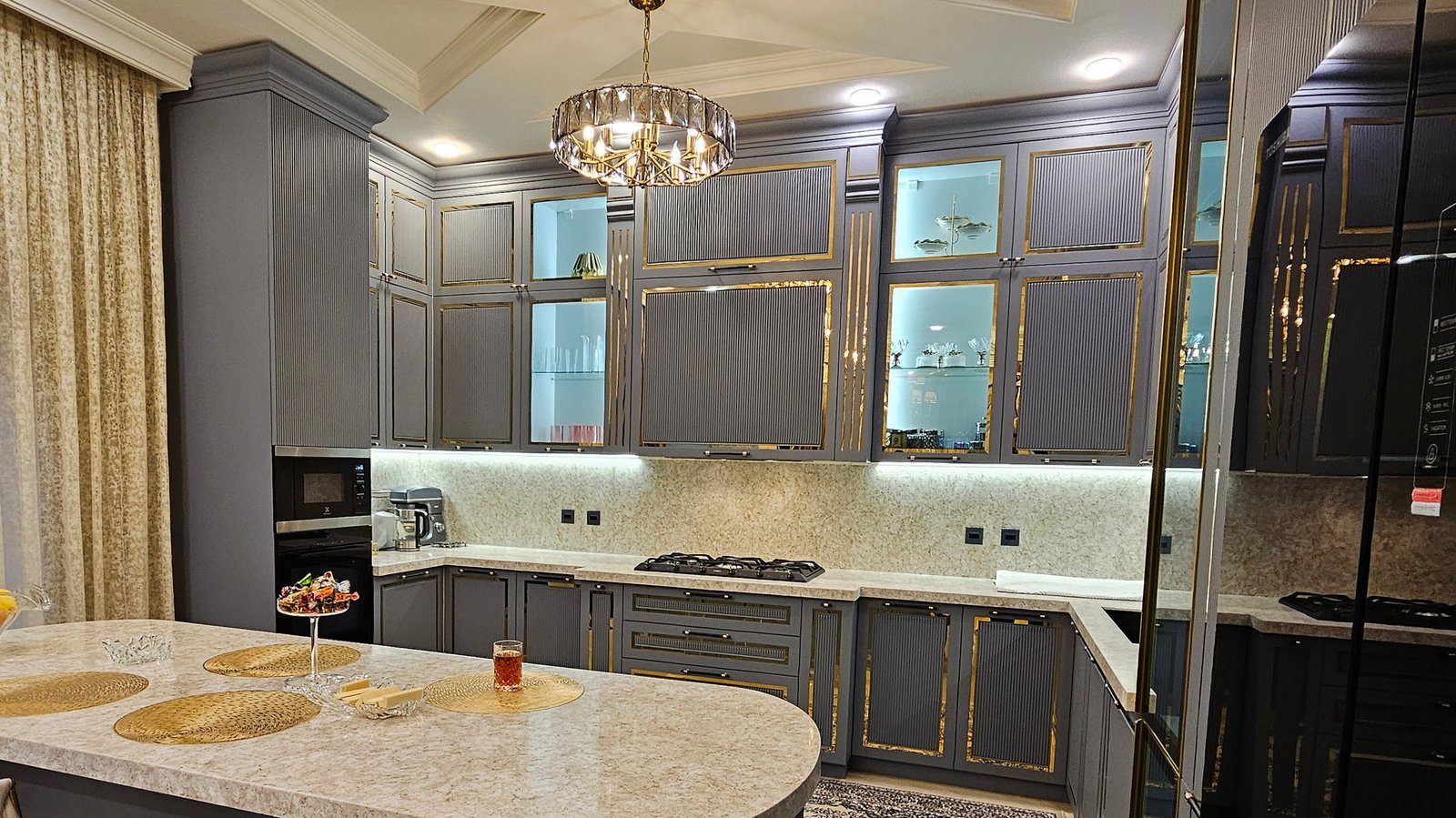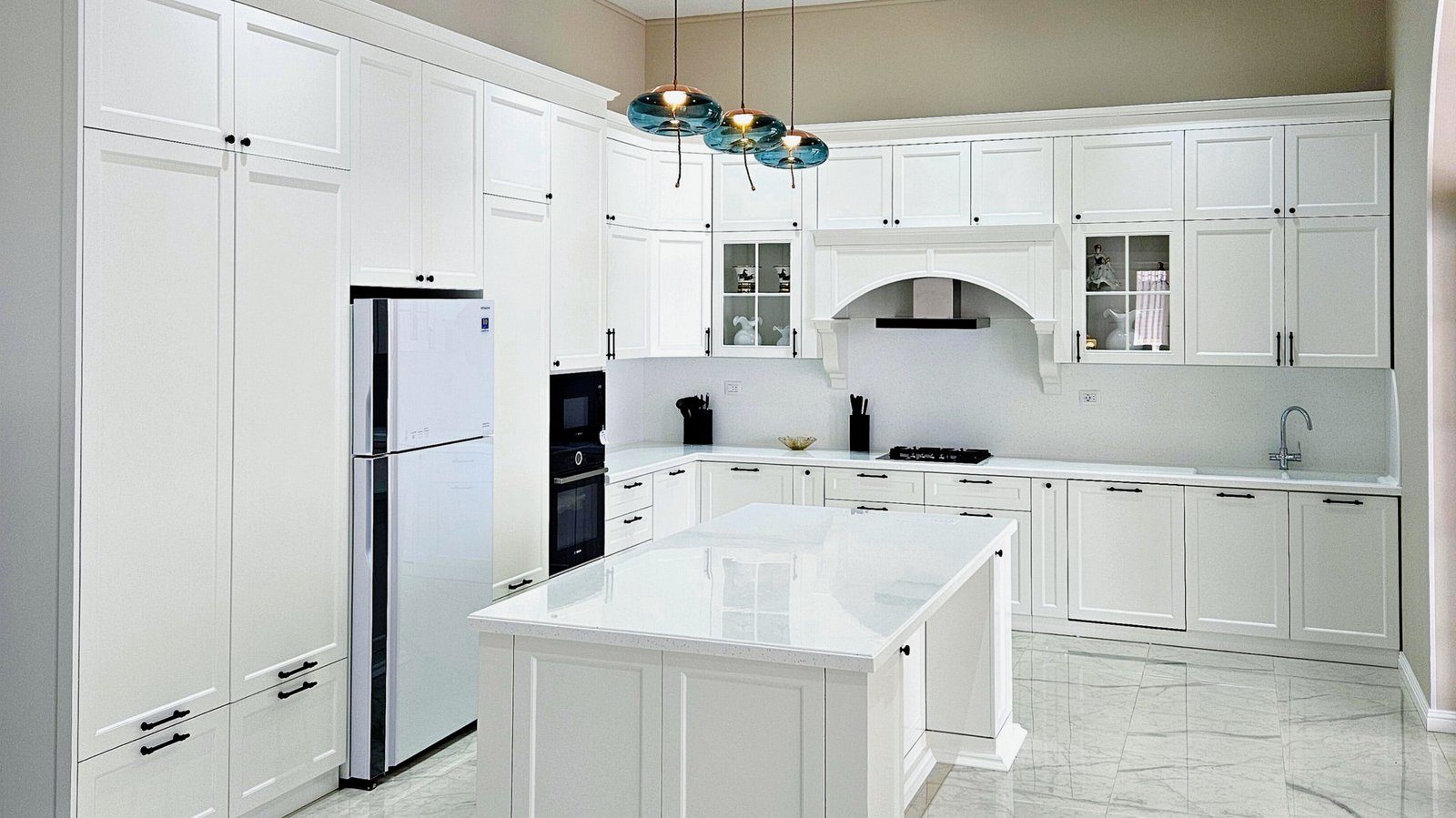

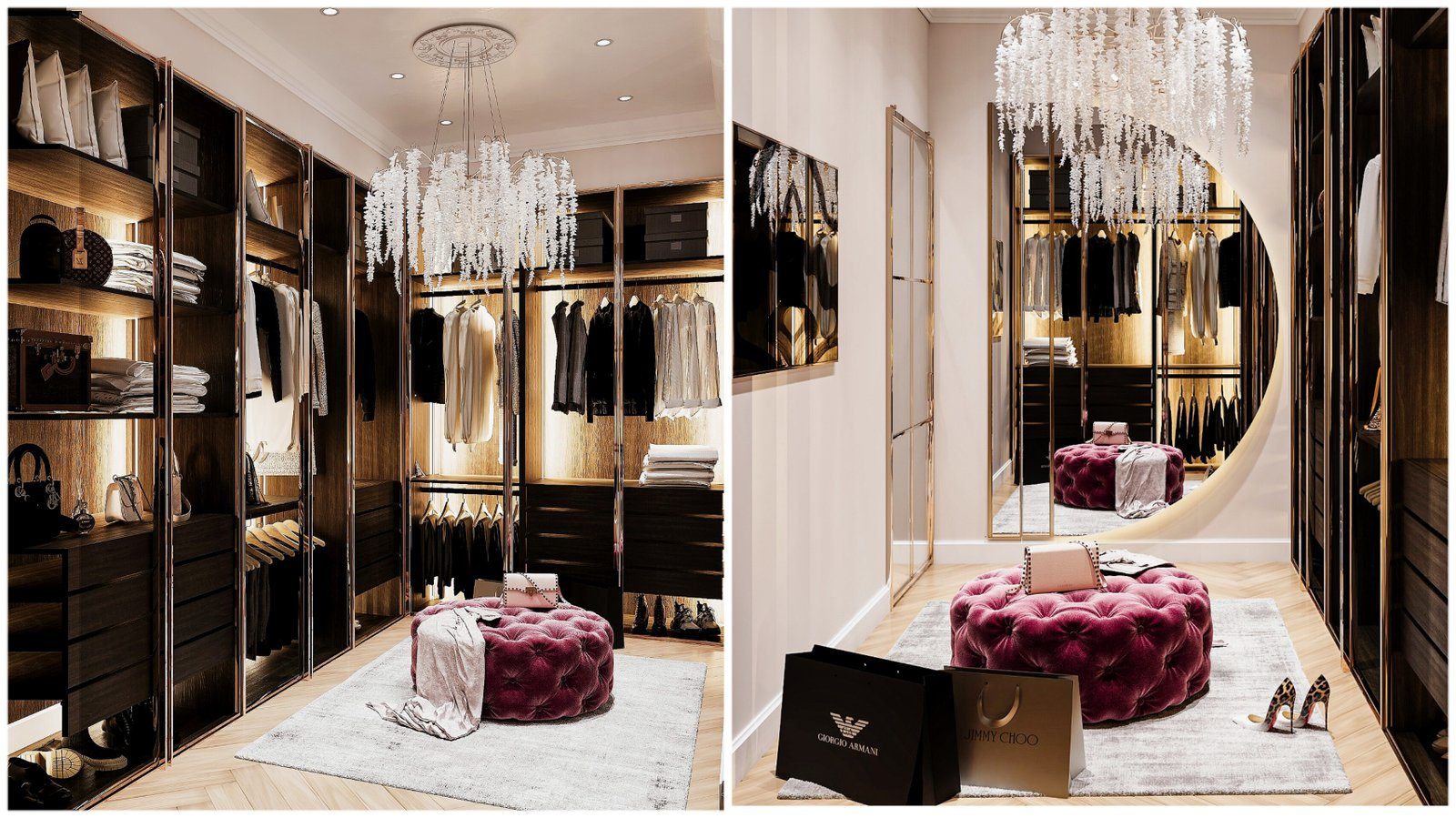
A glow over the worktop from beneath the wall units, a strip that lights up when the wardrobe opens, soft light spilling from behind the TV unit: these touches make furniture feel current. A few months later, though, the complaints tend to be the same: a row of bright dots mirrored in a gloss worktop, a dead section of strip, a hot driver tucked away where nobody can reach it. Most of that is down to the way the LED was built into the furniture, not to the strip.
A strip alone is not enough: aluminium profiles
An LED strip can be stuck straight onto board, but that does not last. The diodes produce heat when working, and board does not conduct heat well. The diodes then age faster and the strip's adhesive eventually lets go. An aluminium profile draws the heat away, protects the strip from knocks and keeps it straight along its length.
A diffuser, a frosted or semi-opaque plastic cover clipped onto the profile, spreads the light. Without it, diodes appear as separate dots on a glossy worktop or in a mirror. The more opaque the diffuser and the greater the distance from the strip to the cover, the more the light becomes an even line.
Profiles differ in construction:
- Surface-mounted profile: fixed under a wall cabinet or along the front of a shelf; simple and inexpensive.
- Recessed profile: sits in a groove routed into the board, flush with the surface and almost invisible.
- Corner profile: directs light at a 45-degree angle, used in display cabinet and shelf corners.
- Wardrobe rail profile: built into or onto the hanging rail, lighting clothes from above.
The driver: spare capacity and position
Furniture LED systems usually run at a low voltage of 12 or 24 volts, and a driver is needed to step mains voltage down. The driver's rating is chosen somewhat above the combined load of all connected strips. A driver working at full capacity runs hot and has a shorter life; one with spare capacity runs cool and quiet.
The driver's location should be decided in the design. It needs to be ventilated, out of sight and reachable when needed: at the top of a wall cabinet, behind a plinth with a service hatch or in a separate compartment. Squeezed into a tight enclosed space it overheats, and reaching it later means taking furniture apart.
Long runs suffer from voltage drop: the far end of the strip from the feed point glows more dimly. To prevent this, long runs are split into sections or fed from both ends. In this respect 24-volt systems are more stable over longer distances.
Cable routes inside the furniture
Cable routes should be planned at the production stage. Wires running between wall cabinets, behind side panels or in dedicated channels stay hidden and protected. Cable holes should be neat, with protected edges. The connection point of each strip section must remain accessible, so that if one section fails the whole system does not need dismantling.
If lighting is planned near the sink or dishwasher, choose strips and connectors with a higher level of moisture protection.
Sensors: convenient ways to control light
A switch is often the most awkward option for furniture lighting, because there is no obvious place for it. Sensors make things simpler.
- Door sensor: turns the light on when a door or drawer opens and off when it closes. The most logical choice for wardrobes and deep cabinets.
- Motion sensor: switches on as you approach and off after a set time. Suits hallway furniture at night or under-bed lighting.
- Touch sensor: activated by touching the profile or panel, often with dimming as well.
- Hand-wave sensor: works without contact when you move a hand near it; handy in a kitchen when hands are wet or greasy.
Some sensors can work through a board, so they can be installed invisibly. This needs checking in the technical specifications of the specific model.
Colour temperature and consistency
When strips of different colour temperatures are used in one room, for example warm light in the ceiling and cool light under the cabinets, surfaces look odd. Furniture lighting should match the room's main lighting. Neutral light is generally comfortable for kitchen work surfaces, and warm tones in living rooms and bedrooms. Using strips from the same manufacturer and batch throughout one piece of furniture avoids differences in shade.
A checklist before ordering
- What is each light line for: task lighting, decoration or finding things?
- Will the profile be surface-mounted or recessed?
- Where will the driver go and how will it be reached?
- How will the light be controlled: switch, sensor, remote?
- Has the power point been prepared in the right place before the furniture is installed?
Zaferoğlu Mebel makes kitchens, wardrobes and TV units to measure. When lighting is planned for the furniture, profile positions, cable routes and the driver location can be included in the drawings before production.