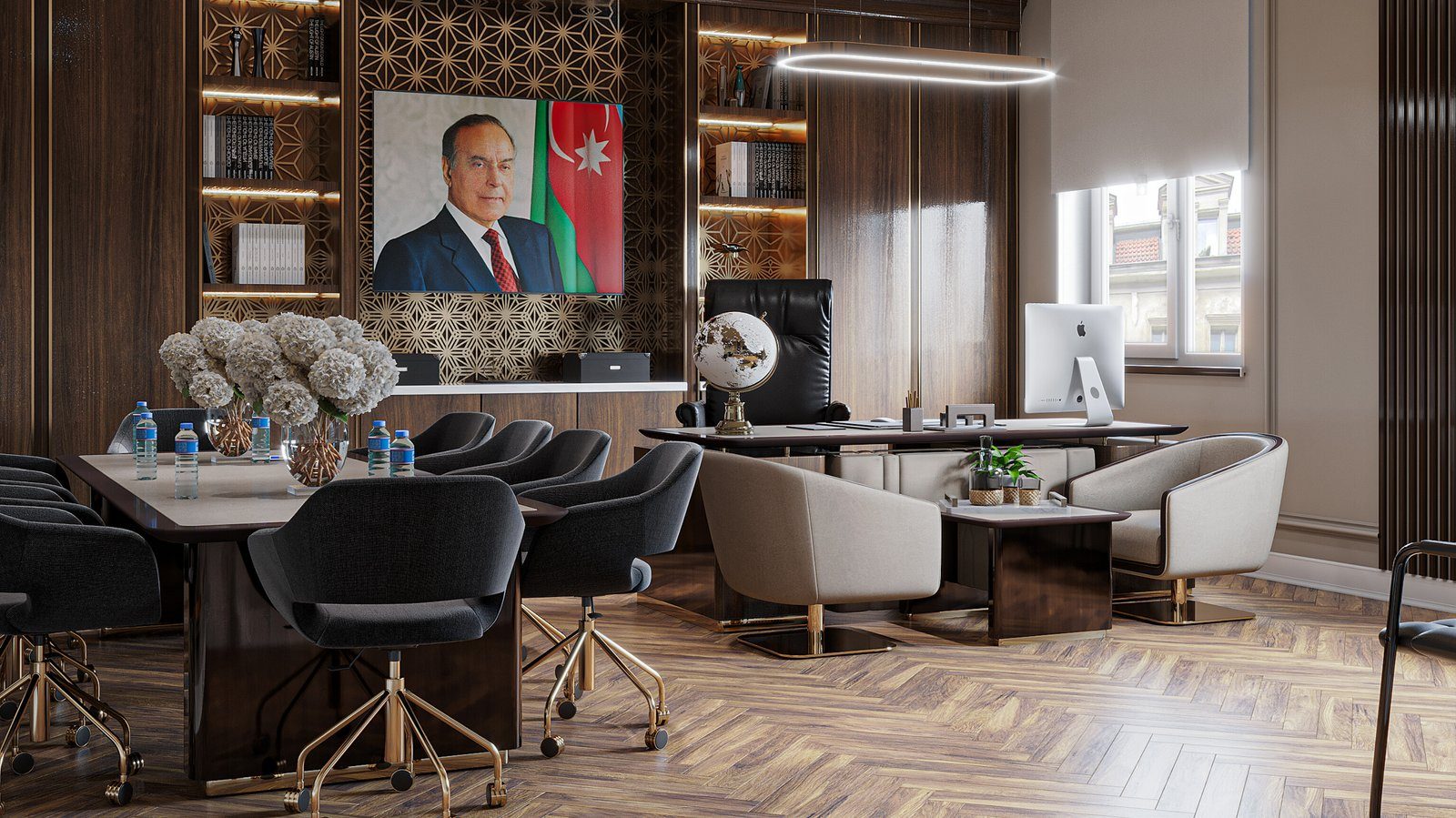

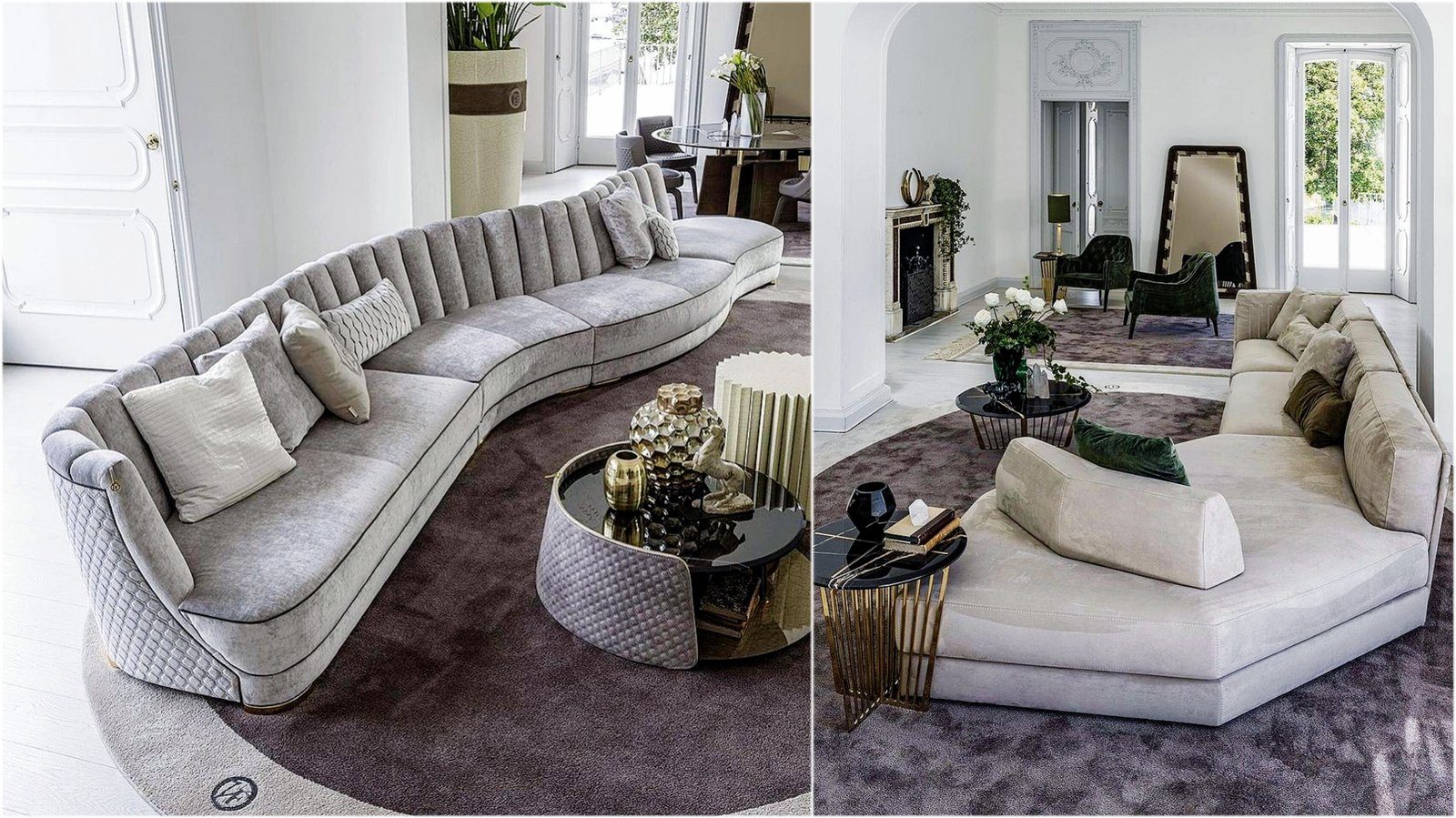
When choosing sofa fabric, people mostly touch it and look at its colour and texture. Two swatches can look equally attractive in a book, yet a year later one still looks new while the other shows shiny patches, small bobbles and faded stripes where people sit. The way to foresee that difference is to read the fabric's technical specifications. They are printed in small type on the back of the swatch book or the fabric label, but they say a lot about how long a sofa will last.
Abrasion resistance: the Martindale test
The wear resistance of upholstery fabrics is most often measured with the Martindale method. A fabric sample is rubbed in a circular motion against a standard abrasive, and the number of cycles is recorded until visible damage, such as broken threads, appears. The result is expressed in cycles: the higher the number, the more durable the fabric.
Manufacturers and suppliers group these results by type of use. By commonly cited guidelines, fabrics from a few thousand up to ten thousand cycles are mainly for decorative use, ten to fifteen thousand for light domestic use, twenty to twenty-five thousand for an everyday family sofa, and higher results for contract and heavy use. These thresholds vary somewhat between manufacturers, so ask what use a specific fabric is recommended for.
The Wyzenbeek method used in the United States works on a different principle, and its results cannot be compared directly with Martindale figures.
Pilling: small bobbles
Pilling is the formation of small fibre balls on the fabric surface through friction. It does not destroy the fabric, but it makes it look worn quickly. This property is usually given on a grade scale, where the top grade means virtually no pilling. Some fabrics made from synthetic or blended fibres have high abrasion resistance yet are prone to pilling, so the two figures should be read together.
Colourfastness to light and rubbing
On a sofa by a sunny window, colourfastness is especially important. Lightfastness is also graded on a scale, and a high grade means the fabric resists fading for a long time. Dark, saturated colours and some natural fibres can be more sensitive to light.
Colour transfer through rubbing, measured as dry and wet rub fastness, matters when someone in light clothing sits on a dark sofa. A poor result means colour rubbing off onto clothes or cushions.
Seam slippage and other specifications
- Seam slippage: resistance to threads pulling apart along a seam under load. Especially important for loosely woven fabrics.
- Tensile strength: the load a fabric withstands when stretched.
- Flame retardancy: may be required in commercial premises and public spaces.
- Care symbols: washing, dry cleaning and ironing options.
Choosing by use
Technical specifications should be read alongside how the furniture will be used.
- Family sofa with children and pets: high abrasion resistance, low pilling tendency, stain-resistant treatment and ideally a tight weave.
- Bedroom armchair or occasional seat: a less durable but more delicate fabric is acceptable.
- Furniture near a window: fabric with high lightfastness.
- Office, waiting area, food service venue: specifications recommended for contract use and, where required, fire safety certification.
In a home with pets, claws snagging threads is another factor: looped and raised weaves are more vulnerable, while tight, smooth weaves hold up better.
Questions to ask when choosing fabric
- What is the Martindale result, and what use is the fabric recommended for?
- What are the pilling and lightfastness grades?
- What is the fibre composition?
- Does it have a stain-resistant treatment?
- How is it cleaned?
One more point: technical ratings are measured in laboratory conditions on new fabric. At home, pet claws, dye from jeans, direct sunlight and unsuitable cleaning products all act on the fabric at once. A high figure therefore does not replace proper care; it simply gives you a margin of safety.
When ordering a sofa or armchair from Zaferoglu Mebel, saying whether it is for an office, a family home with children or a rarely used guest room makes it easier to pick a fabric whose specifications match the real wear.