
Shopping for living room seating, most people start by asking which sofa to buy. The earlier question is what the group should be made of: a pair of facing sofas, a corner sofa, or one sofa with armchairs. That decision shapes how guests are seated, how the room works for TV and for conversation, and it depends more on the family's routine than on the floor area.
Start with the everyday scenario
Before planning the seating, answer a few questions. How many people sit in the room on an ordinary evening? How often do guests come, and how many? Is the room mostly for watching TV or for conversation? Does anyone like to stretch out on the sofa? Do children play on the floor?
A room where a family of four watches a film together every evening needs completely different seating from a living room that often hosts guests but is little used day to day.
Two facing sofas
Two sofas facing each other with a coffee table between them is a classic, symmetrical arrangement. It is ideal for conversation: people see each other's faces, and the table is within reach from both sides. It looks especially good in rooms with a central feature such as a fireplace or large window.
This option has weaknesses too. The TV cannot sit behind either sofa, so the screen usually goes at the open end between them, viewed from the side, with people on both sofas turning their heads. Two sofas also need a lot of floor space, and in a narrow room the walkway shrinks.
A corner sofa
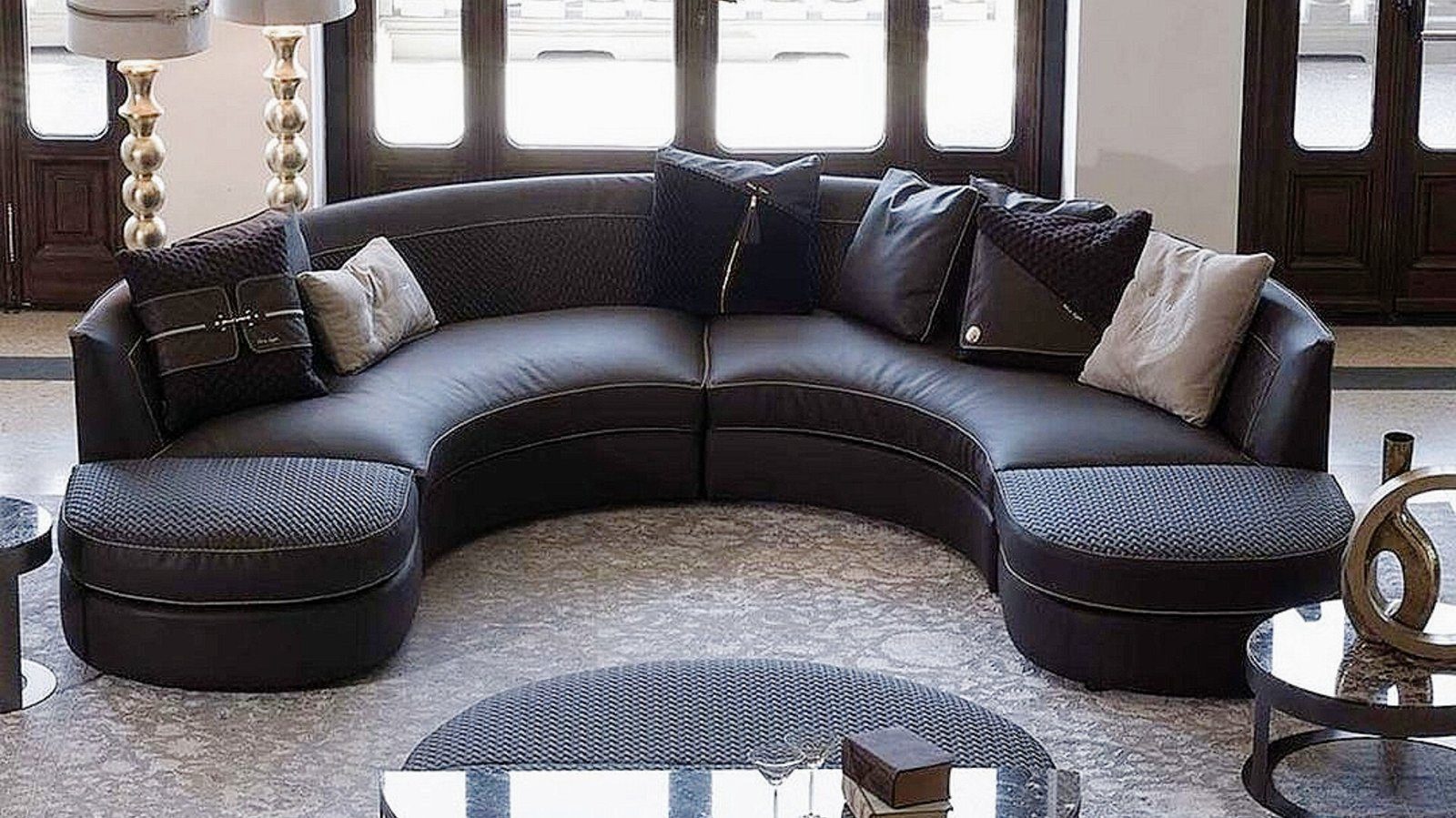
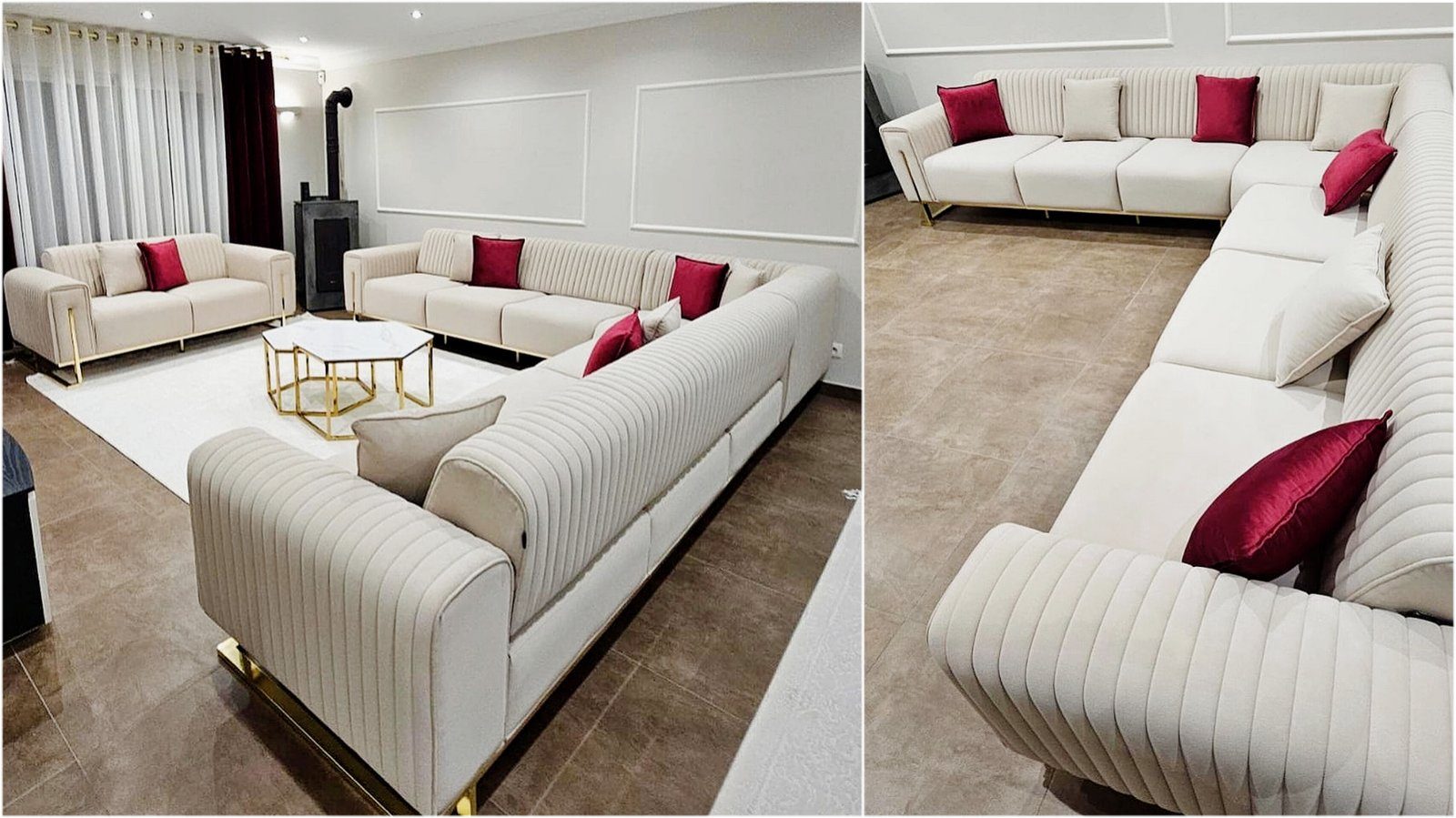
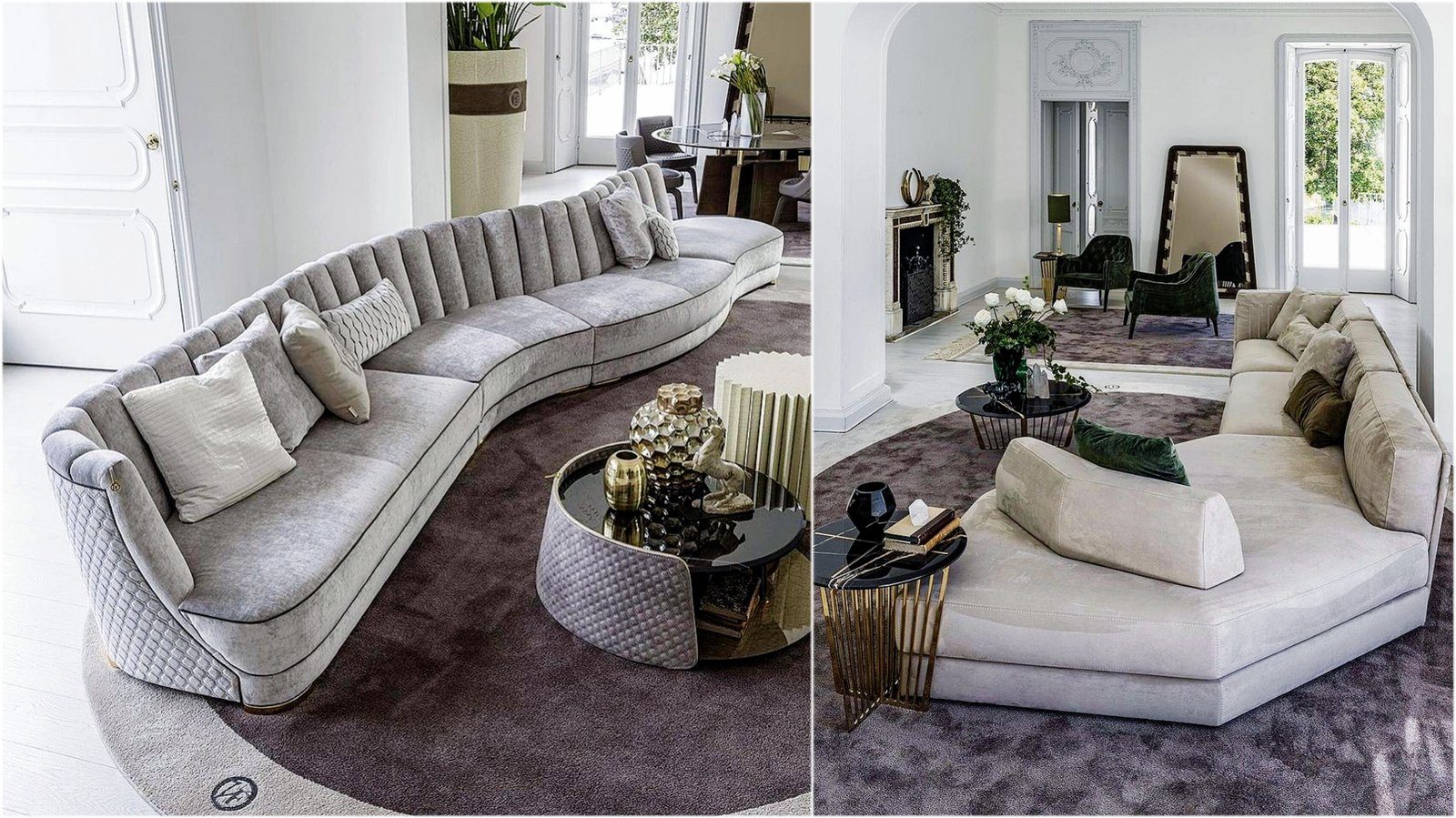
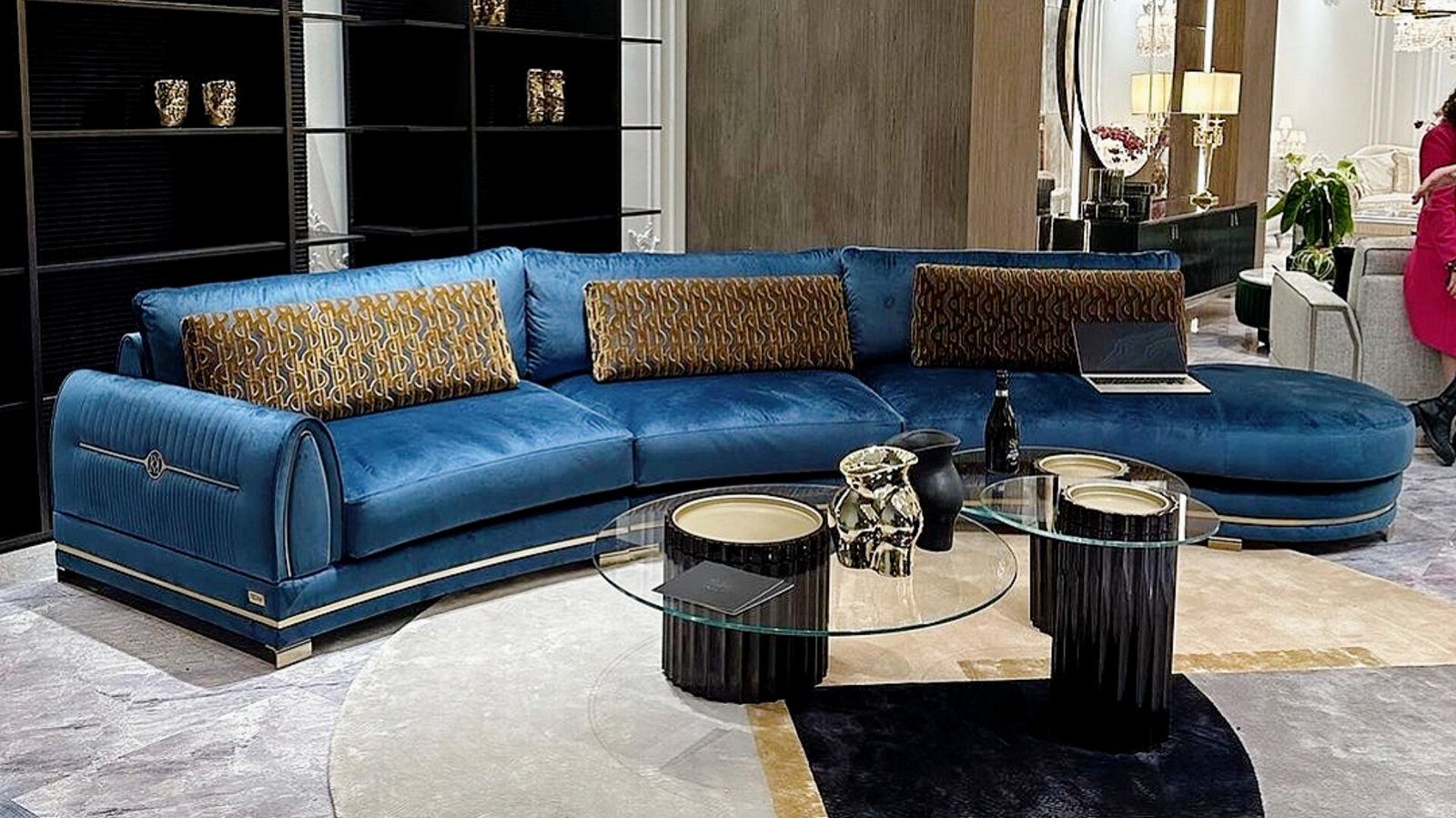
A corner sofa gives the most seats with the least furniture. It uses the corner of the room, is comfortable for watching TV and offers a large surface for family members to stretch out. In small and medium rooms it is often the most practical choice.
Its limitation is flexibility. Its shape is tied to the specific room plan, so rearranging the room or taking it to another home is difficult. Someone sitting in the corner section also finds it a little awkward to talk to the people beside them, as they sit along the same shoulder line. Modular corner sofas partly solve this: the sections can be separated and reconfigured.
A sofa and armchairs
One sofa with two armchairs opposite or beside it is the most flexible option. Armchairs are light: they can be drawn closer when guests arrive and turned towards the window or TV in daily life. This arrangement supports different ways of sitting: stretching out on the sofa, sitting upright in an armchair to read.
The sofa and armchairs need not be in the same fabric. Armchairs that differ but match in colour or texture give the room a livelier look. A swivel armchair lets you face either the conversation or the TV.
Distance and walkways
Whichever option you choose, a few general rules apply:
- The distance between people sitting should not be too great, or talking without raising voices becomes hard and the group looks scattered.
- The coffee table should be within arm's reach of every seat but far enough away not to get in the way of knees.
- Keep the main walking route outside the seating group, so people pass behind or to the side of those sitting rather than across in front of them.
- If the back of the sofa faces the entrance, a low console behind it visually zones the room.
- A rug should be large enough to take at least the front legs of all the seating, so the group looks unified.
Flexible extras
Pouffes and small seats provide extra seating when guests come without taking up space day to day. They can be pushed under a table or against a wall. A large pouffe used as a footstool turns a sofa into a comfortable place to stretch out.
Zaferoglu Mebel builds sofas and armchairs to order, so different seating line-ups can be tried out on a sketch of your room before anything is made, with the family's habits in mind.