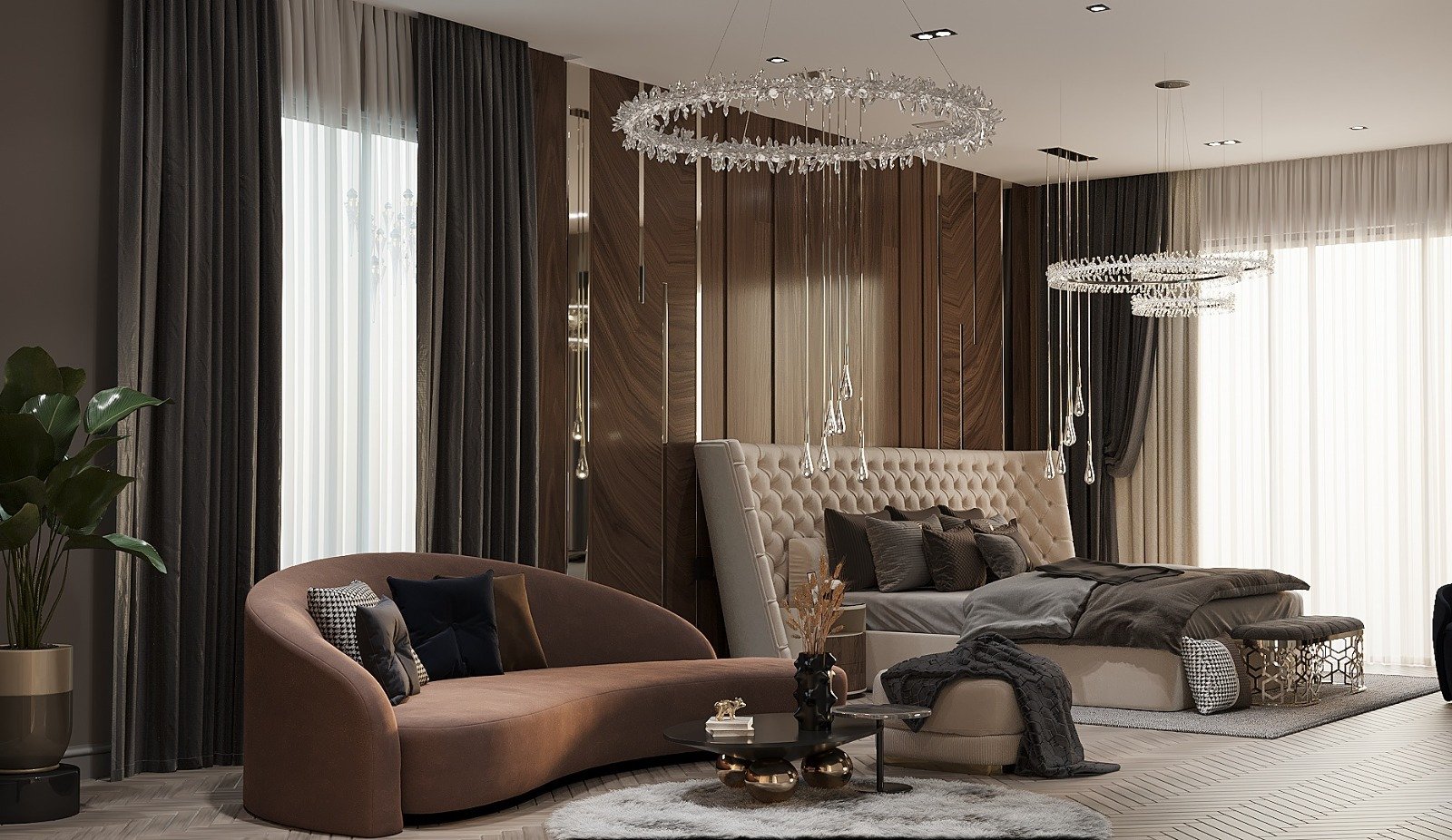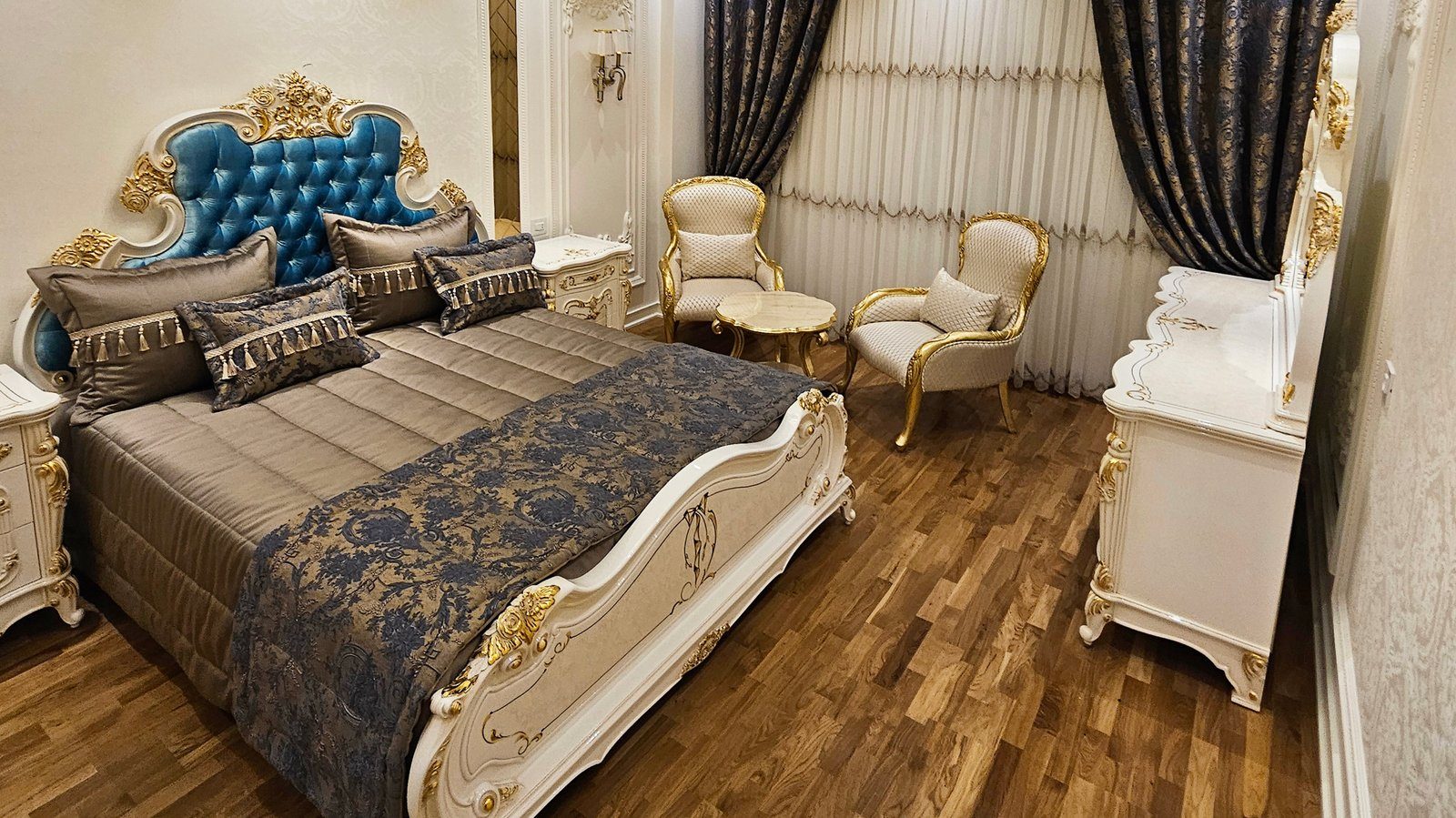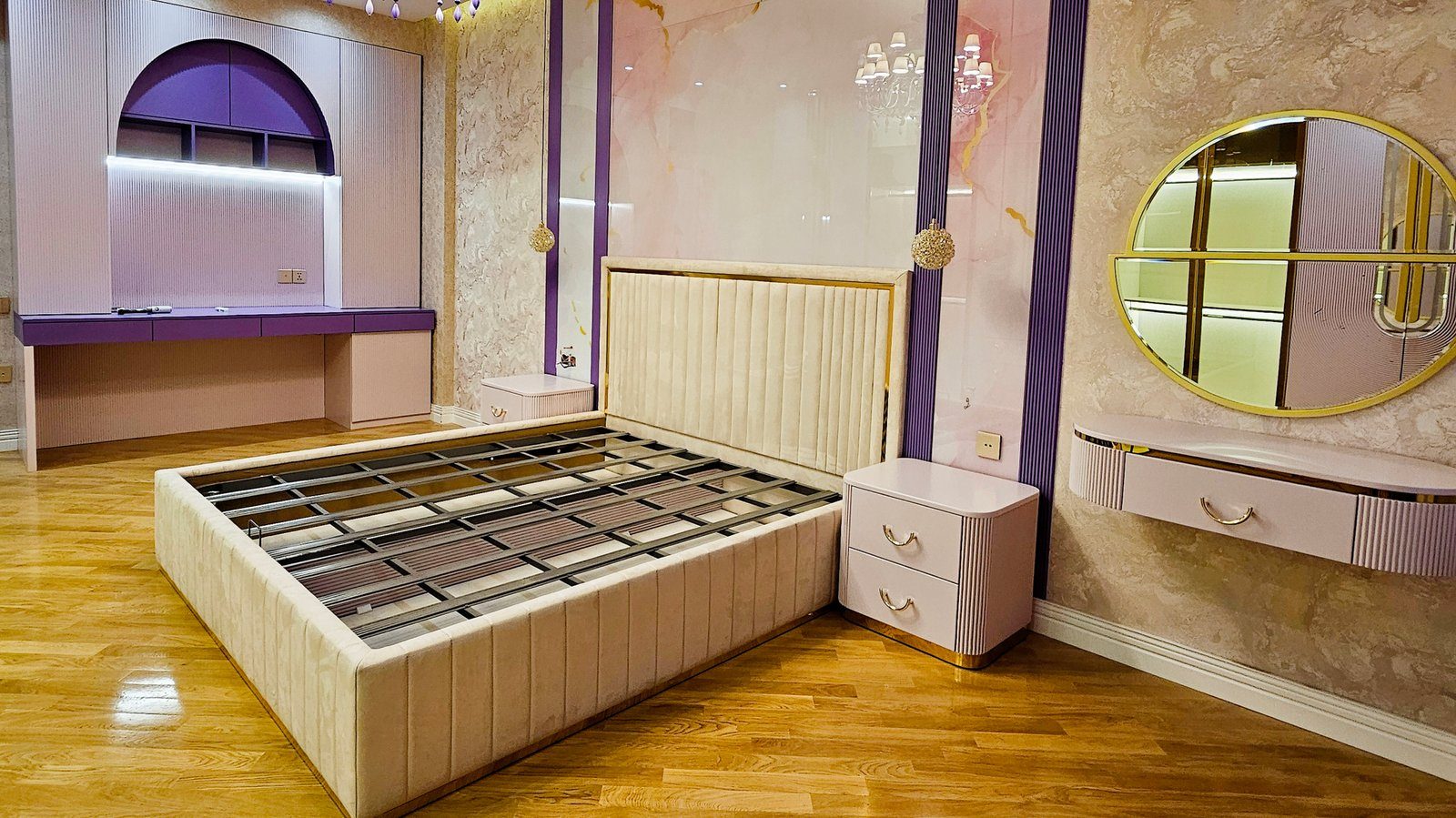

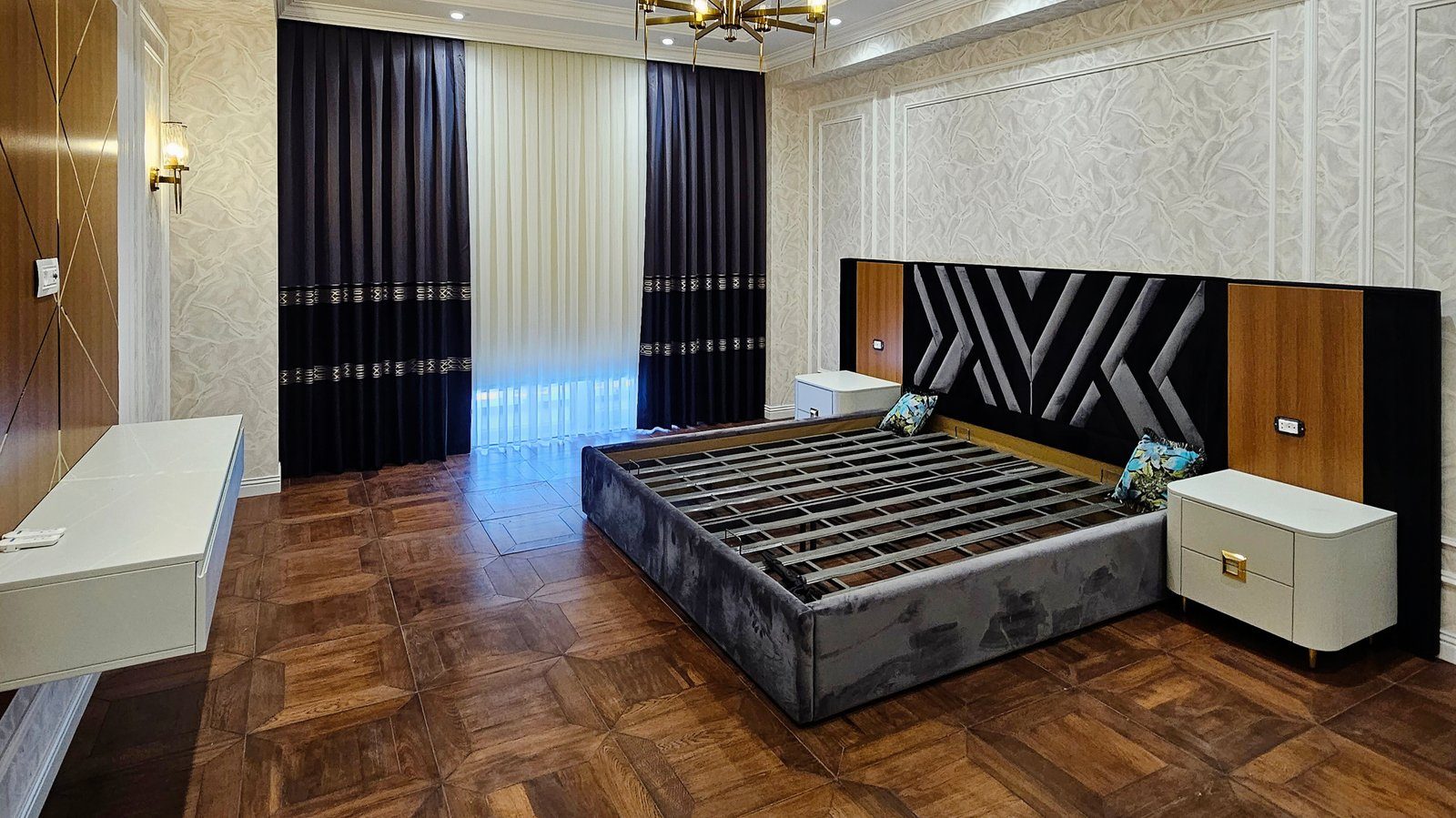
Hotel rooms and bedroom furniture catalogues often show a low bench at the foot of the bed. It gives the room a finished look, but whether it is genuinely useful at home depends on the size of the room and daily habits. Deciding what you expect from a bench before choosing one helps get both the size and the construction right.
What a bench is for
Its most practical role is a place to sit while dressing. Putting on socks and shoes or getting ready in the morning on the edge of the bed gradually crushes the mattress edge and messes up the bed. A sturdy bench takes that load instead.
The second function is somewhere to put the bedspread and decorative cushions taken off the bed at night; without it they usually end up on a chair or the floor. The third is storage: a lidded bench can hold a seasonal duvet, spare pillows or bed linen. Finally there is a decorative role: in a large room it visually fills the space between the bed and the opposite wall and completes the foot of the bed.
Size in relation to the bed
A bench is usually a little narrower than the bed so it does not stick out at the sides. When it is exactly the same width, it reads as an extension of the bed rather than a separate piece. That is sometimes intentional, but often looks heavy. In front of a double bed, a width of roughly two-thirds to three-quarters of the bed tends to look lighter. A single bed rarely needs a bench; a small pouffe usually does the job better.
The seat should sit below the top of the mattress, so it does not hide the foot of the bed or touch the bedspread when it is on. A seat close to ordinary chair height is also comfortable for dressing. Depth should be enough to sit on, but not so much that it narrows the walkway.
Room to walk past
A bench only makes sense if a comfortable walkway remains between the foot of the bed and the opposite wall or wardrobe. When checking, consider not just the free floor space but also how wardrobe doors and drawers open. Sliding wardrobe doors allow a narrower walkway; hinged doors need extra space equal to the door width.
If planning on paper is difficult, there is a simple method: mark the bench footprint on the floor with cardboard or tape and walk around the room for a few days. If your foot catches on it when you are rushing in the morning, you need a narrower model or a different solution.
Types: open, lidded, built-in
- An open bench on legs looks light; the space underneath makes the room feel larger and the floor is easy to clean.
- A lidded storage bench is practical but heavy. A gas strut or slow-close lid prevents trapped fingers, especially in homes with children.
- A model with drawers is used without lifting a lid, but needs extra space in front for the drawers to open.
- A seat designed as one piece with the bed, or attached to its foot, gives the most finished look but makes the bed harder to move.
Whichever type you choose, the bench must be stable. If it rocks or tips to one side when you sit on its edge and lift a foot to put on a shoe, it will be irritating every day. On a long bench, a stretcher between the legs or an extra support in the middle solves this. On laminate or parquet floors, felt pads under the legs prevent both noise and scratches.
Upholstery and materials
A bench is sat on often and things are put on it, so its fabric must resist abrasion. Light fabrics can pick up dye from jeans and marks from shoes. Using the same fabric as the headboard creates a matching set, while a different texture in a coordinating colour looks livelier. In a lidded model, a small ventilation gap inside stops stored textiles from developing a smell.
At Zaferoglu Mebel an end-of-bed bench can be treated as part of the bedroom set, with its width and height fixed once the bed and room dimensions are known.