
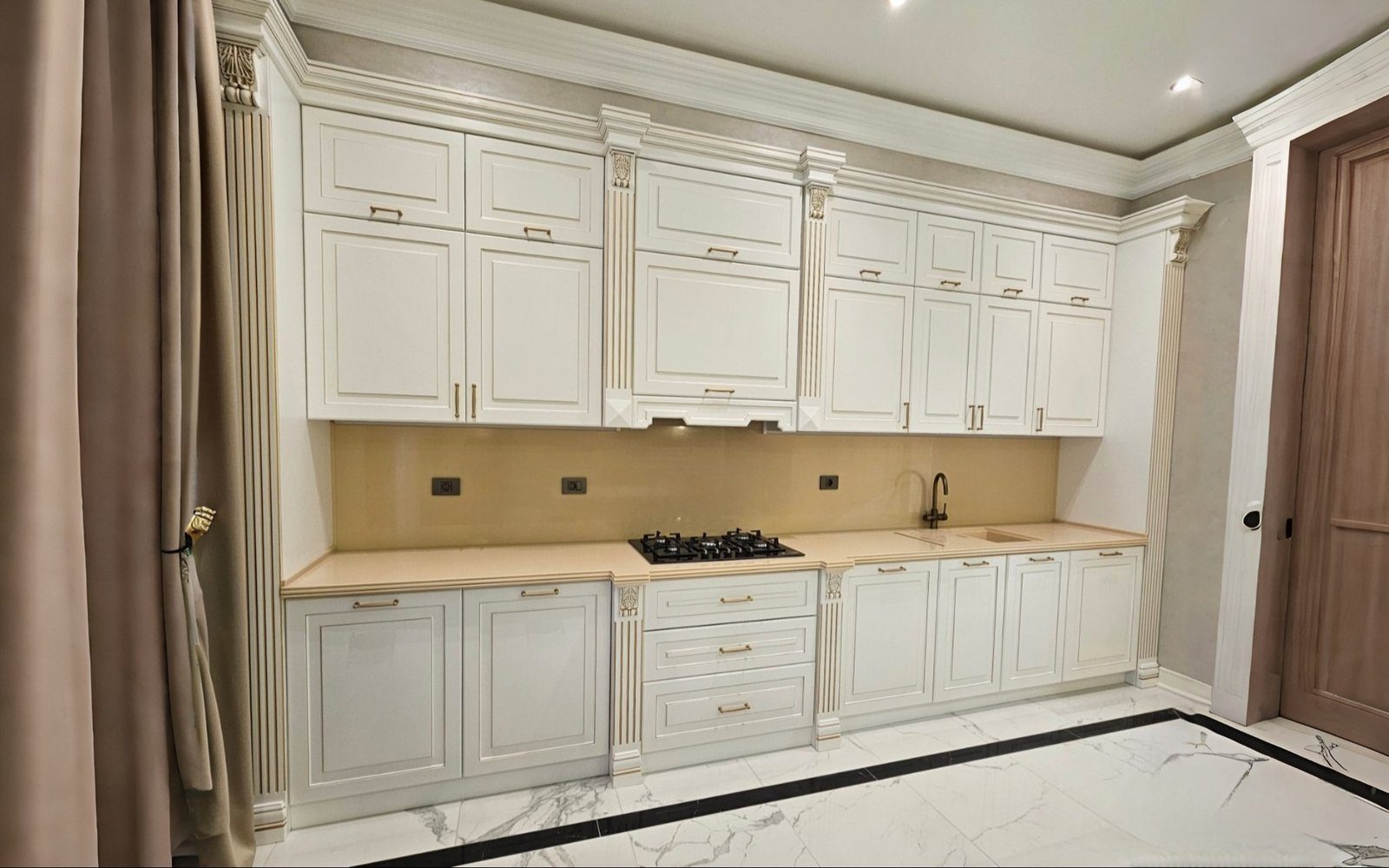
You push a kitchen door a little too hard, and at the last moment it slows as if caught by a hand and settles gently into place. It is one of the most loved small details in modern furniture. Behind it is simple physics: a small damper absorbing the energy of the movement over the final distance. Knowing how it works helps both when choosing furniture and years later when something needs adjusting.
How the damper works
Most soft-close systems are hydraulic. A small cylinder holds a viscous fluid and a piston. As the door approaches the closed position, the piston is pushed in and the fluid is forced through a narrow channel, and that resistance slows the movement. The faster the door is pushed, the more resistance builds, so there is no slam.
In the final stage, the hinge's own spring pulls the door shut. Two functions work together: the spring closes the door, and the damper softens the closing.
In hinges: integrated or clip-on
Hinges offer soft-close in two ways. In the first, the damper is built into the hinge body; from the outside it looks like an ordinary hinge with no extra part. Blum hinges with Blumotion are an example. In the second, the damper is a separate module clipped onto the hinge arm or fixed to the edge of the carcass.
The integrated version looks neater and gives every door the same behaviour. A clip-on module is handy for adding soft-close to existing furniture.
On a large, heavy door, one damped hinge may not be enough; on a small, light door, dampers on every hinge may stop it from closing fully. That balance should be set according to the manufacturer's table, based on the door's size and weight.
In drawers: damping inside the runner
In drawers the damper sits inside the runner. As the drawer nears the closed position, a catch engages it, the damper slows the movement, and a spring draws the drawer fully and firmly shut. In concealed full-extension runners this is usually standard.
The load inside the drawer affects how it closes. An empty drawer and a drawer full of crockery close at different speeds, but a good system should close both without impact. If the runner's load rating does not match the real contents, the damping can weaken early.
Where soft-close pays off most
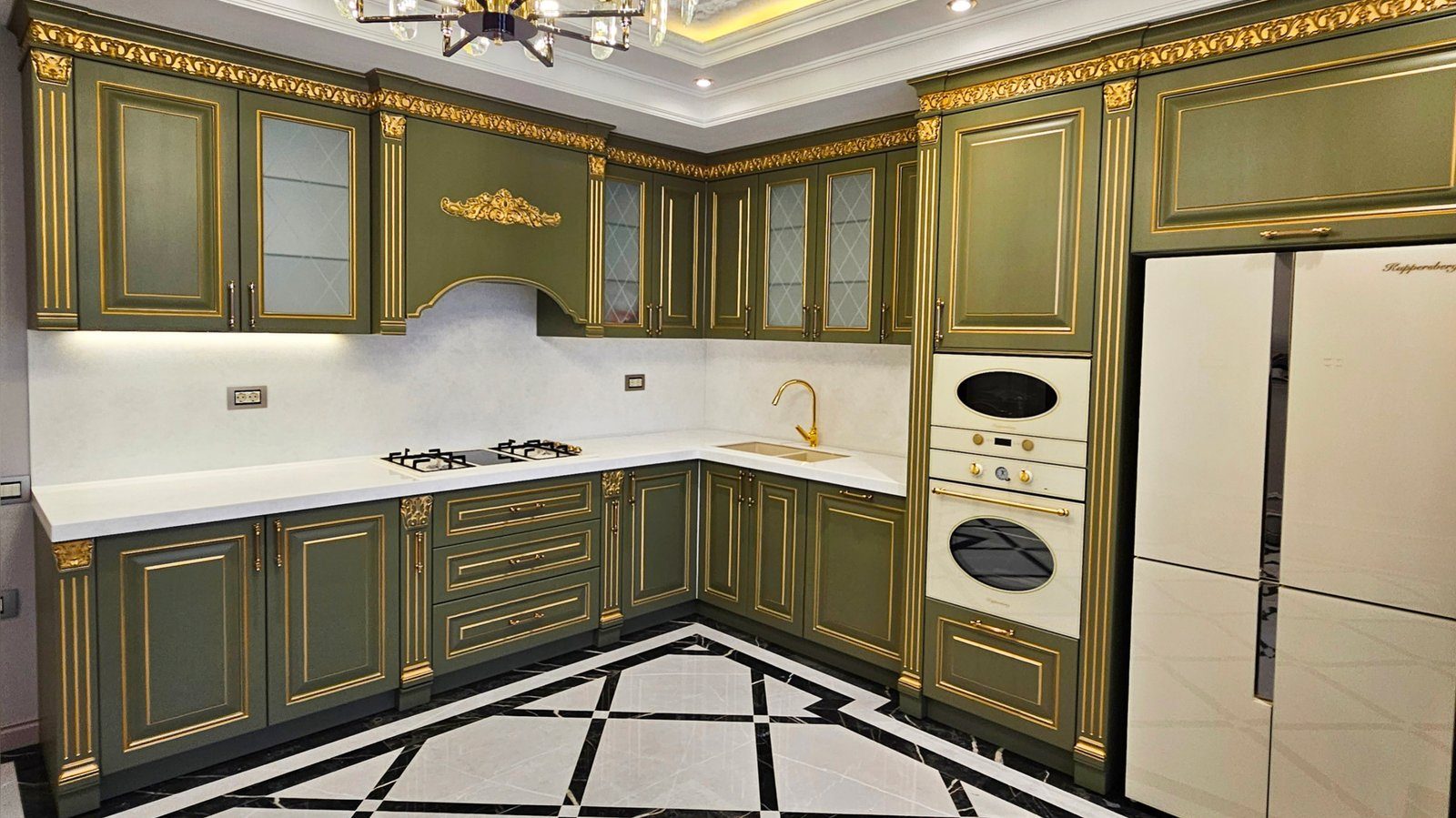
The benefit is not only silence. Glass display doors and thin painted fronts suffer most from impact, and the damper protects them from cracking and chipping. In homes with children a door that slams can catch a finger; soft-close greatly reduces that risk, although it is not a complete safety guarantee.
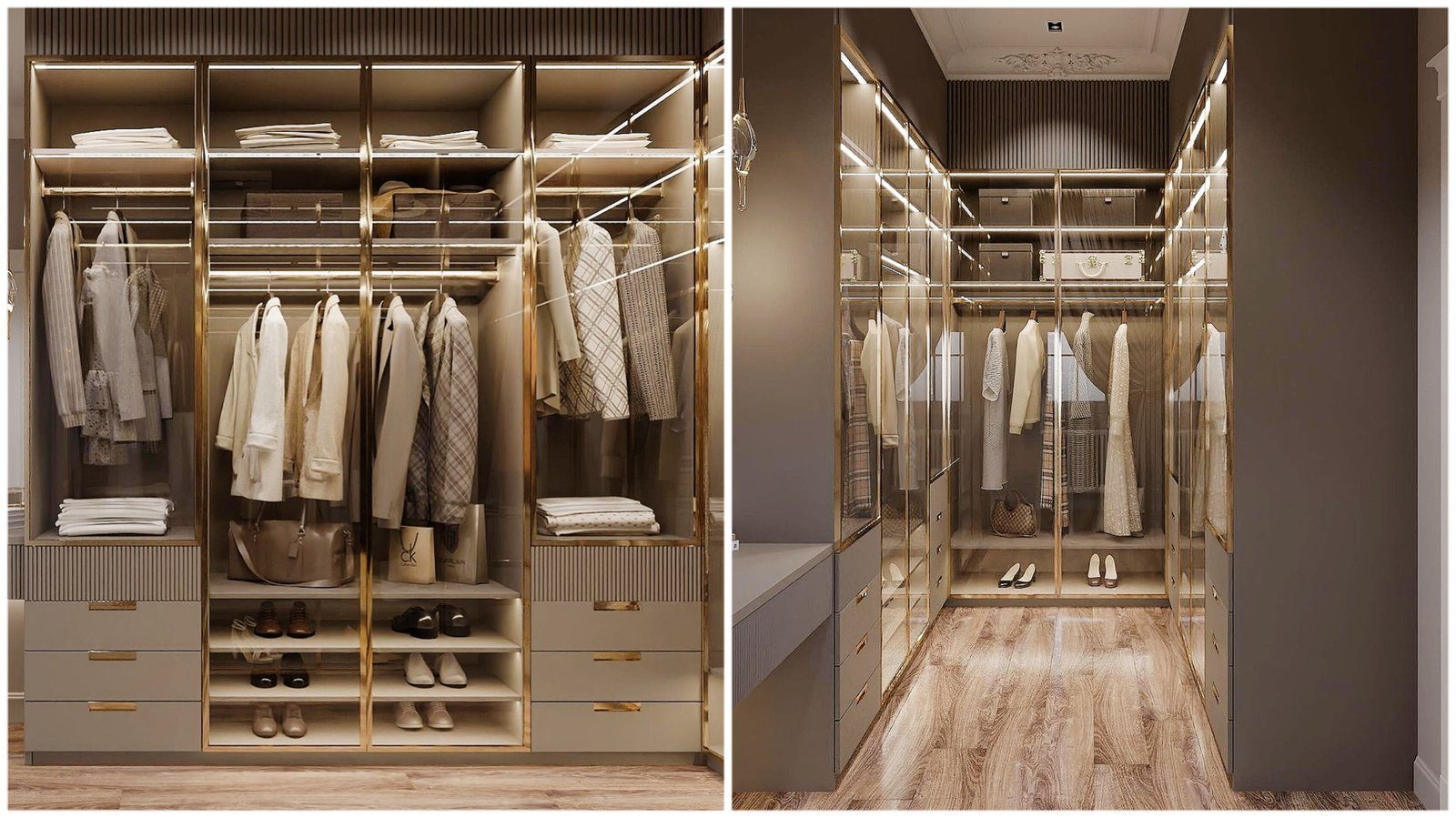
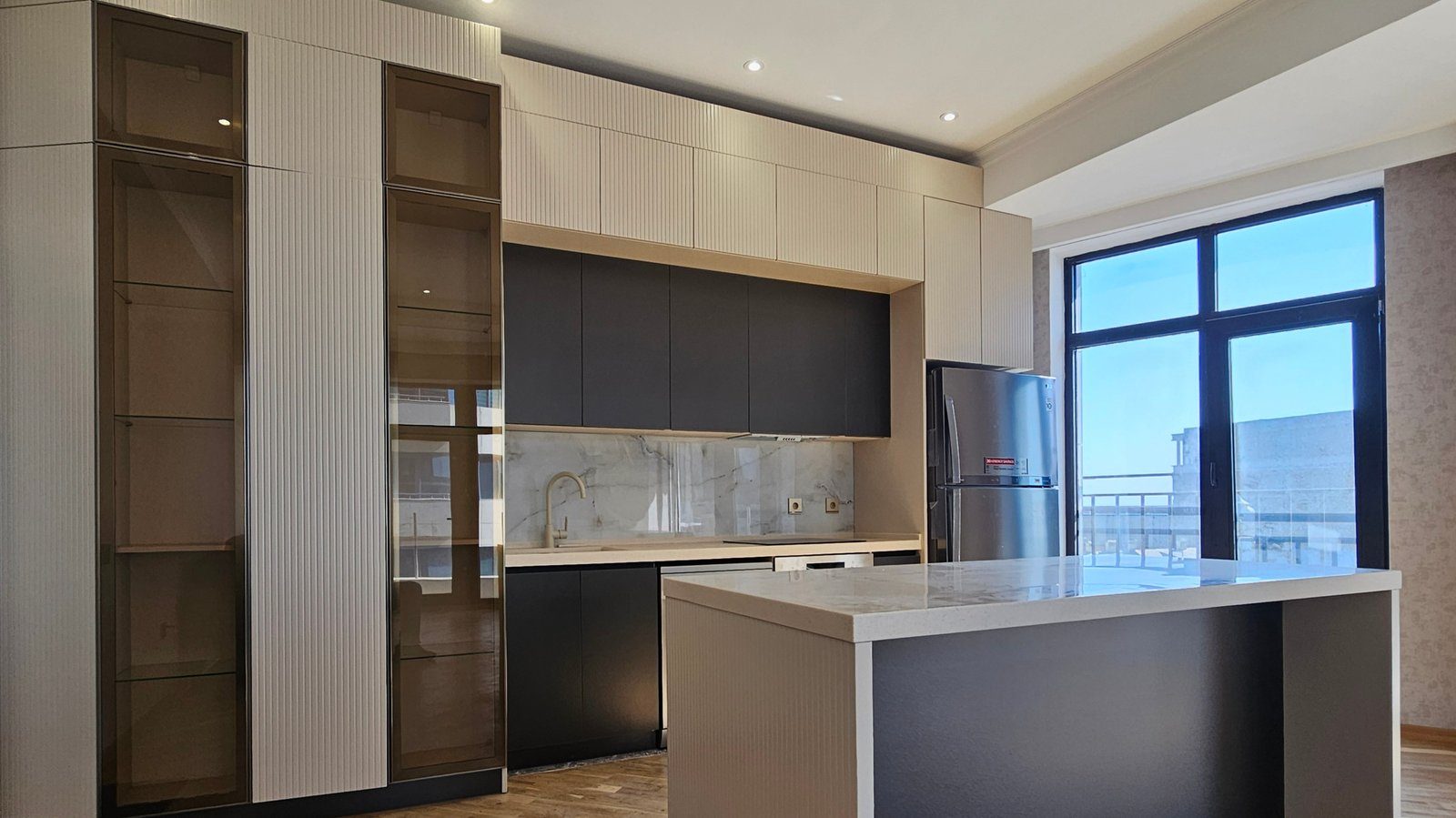
In open-plan flats the kitchen shares space with the living area, and late at night the sound of a door carries through the whole home. In kitchen drawers, crockery and glass jars are not jolted when the drawer does not slam, which cuts down both noise and breakage. For the same reasons the feature is increasingly standard in wardrobes and bedroom furniture.
Adjustment and common problems
Some dampers have adjustable strength, which helps when a door closes too slowly or does not close completely. Typical problems and their causes:
- The door stays slightly open: the damping is too strong for the door, or the hinge depth is not set correctly.
- The door slams: a damper has failed, or there are too few for the door's weight.
- The drawer bounces back at the end: the front is not seated properly on the runner, or something is blocking it at the back.
- There is noise: fixing screws have loosened or the carcass is out of square.
There is no need to slam doors and drawers to close them; the system is designed for a normal push, and slamming only shortens the damper's life.
What to ask when ordering
When ordering, clarify: is soft-close planned on every door and drawer; are the hinge dampers integrated or separate modules; what is the load rating of the drawer runners; and if handleless fronts are planned, how will the opening mechanism be combined with soft-close.
Zaferoglu Mebel works with Blum hardware. The exact soft-close hinge and runner models are chosen in the design once door sizes, drawer loads and the opening method are known.