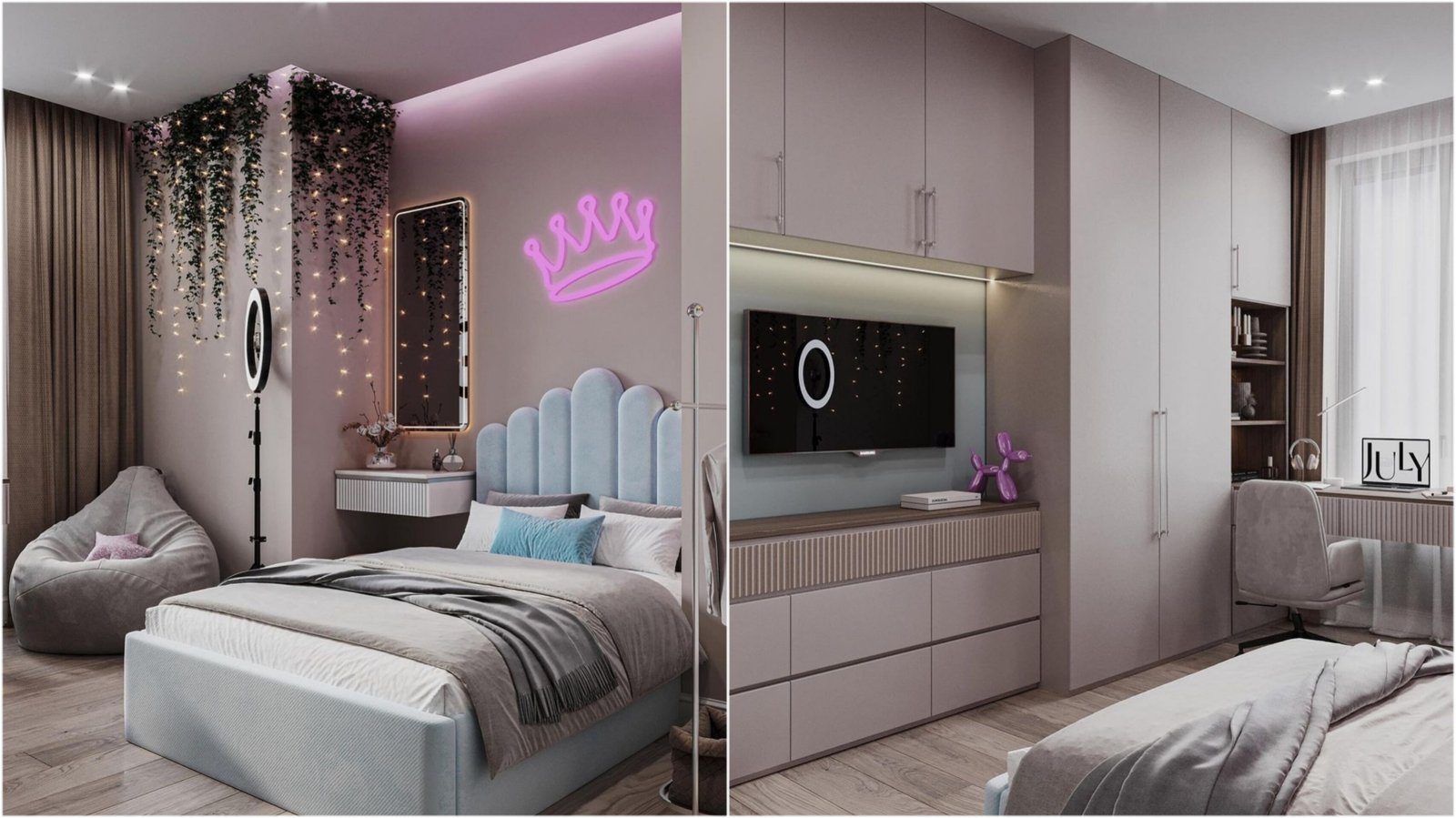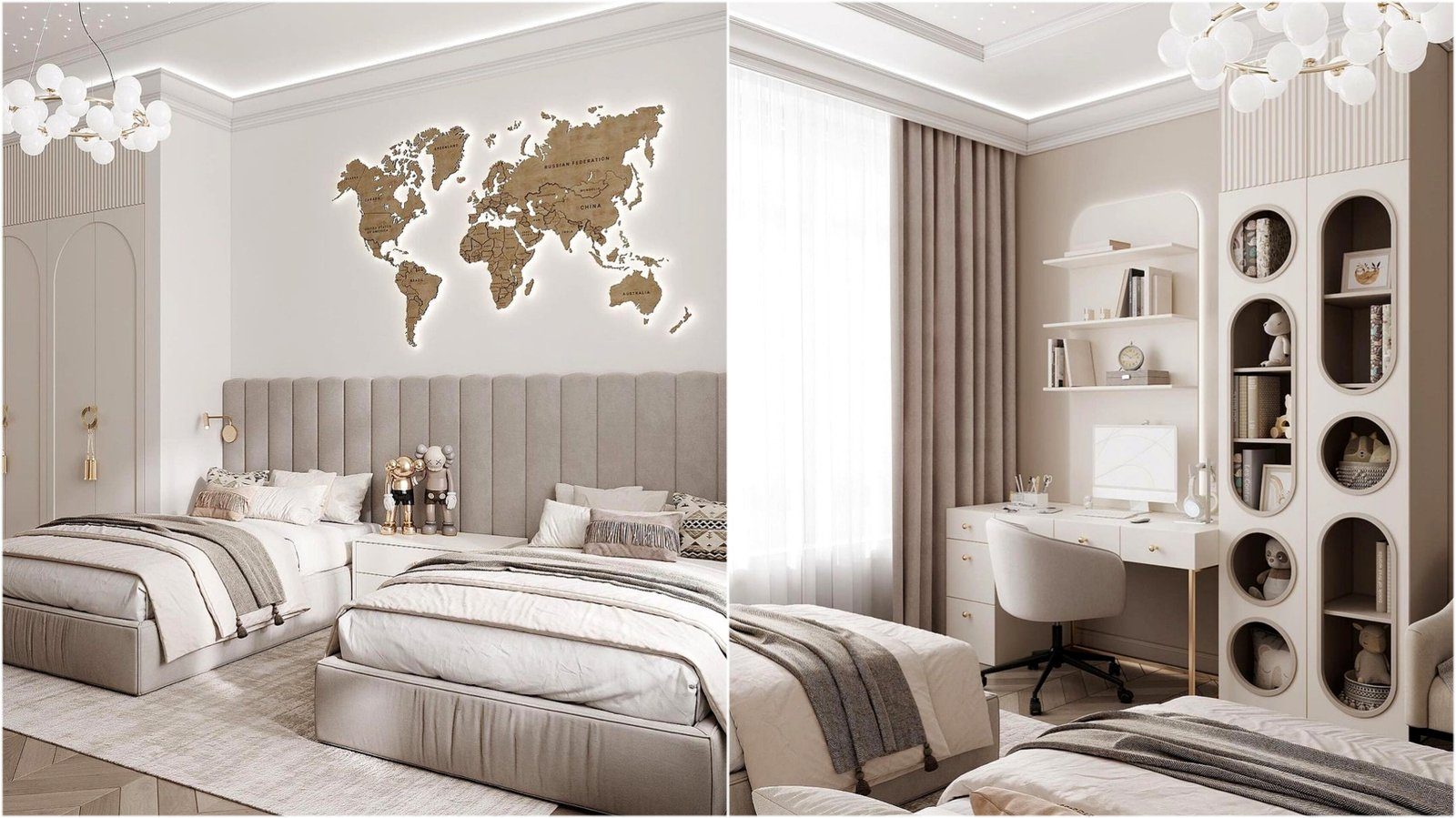

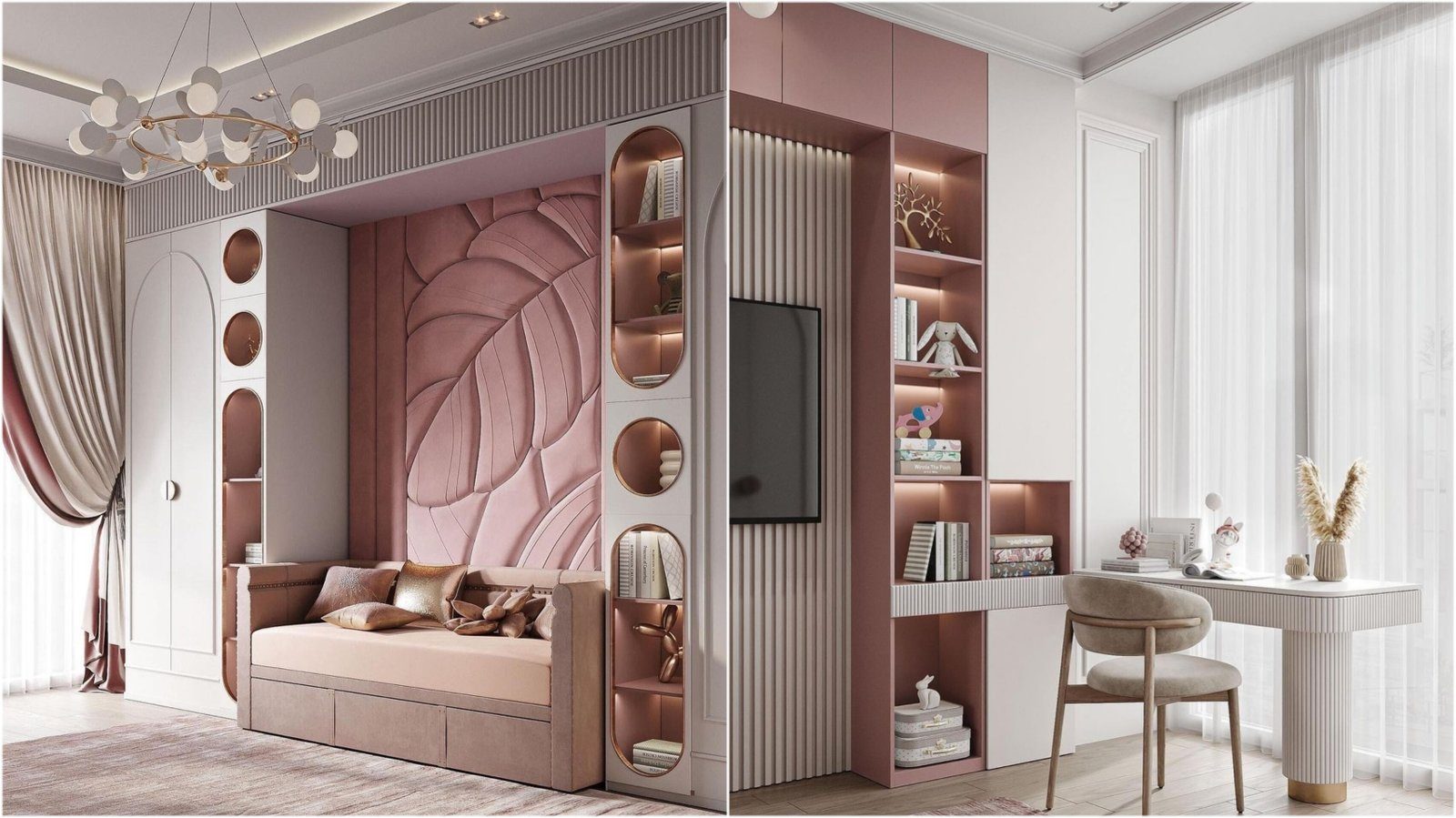
Furniture in a child's room works under different conditions from adult furniture. Children climb on it, use drawers as steps, hide between doors and run past corners. A sharp corner or an unanchored chest of drawers that looks harmless to an adult can be a serious hazard for a child. The good news is that most of these risks can be removed with simple decisions at the design stage. Below, we group the main points parents should check when ordering or buying furniture.
Corners and edges
A small child's head is at the height of an adult's hip or a tabletop. That makes the corners of desks, bedside units, shelves and beds the places most often hit. Choosing corners rounded to a radius instead of sharp right angles spreads the force of an impact and reduces the risk of injury.
Edge finishing matters as well. When a board's cut edge is sealed with banding, the banding itself should be given a soft radius. Thin banding with sharp edges, or chips left on a cut, can cut a hand. The check is simple: run your finger along every edge; nothing should catch or feel sharp.
Pay special attention to the front edges of open shelves, the side of a desk facing the child and the outer rail of a bed. On furniture you already own, soft corner guards can be a temporary fix, but they come loose over time and can themselves become a choking hazard for a small child.
Fixing against tipping
One of the most serious risks in children's furniture is tall furniture tipping over. When a child opens the drawers of a chest and climbs on them, or grabs a wardrobe shelf and pulls, the centre of gravity moves forward and the furniture can fall on them. To prevent this:
- Wardrobes, chests of drawers, bookcases and tall shelving should be fixed to the wall with proper anti-tip fittings.
- Fixings should suit the wall type: concrete, brick and plasterboard each need different anchors.
- Heavy items go on lower shelves, light ones higher up.
- If there is a television in the child's room, it must be secured to the wall or the furniture.
This applies even to furniture that seems stable when standing. There is a big difference in stability between an empty chest of drawers and one with its full drawers pulled out.
Finger traps and mechanisms
Children's fingers easily get caught between doors and drawers, in lift mechanisms and in folding parts. Soft-close hinges and runners stop doors and drawers from slamming and greatly reduce the risk of trapped fingers. On lift-up beds and fold-down desks, it is important that the mechanism cannot drop by itself and that the gas struts hold steady when raised.
For small children, door and drawer locks are also worth considering, especially where medicines, cosmetics or small objects are kept. Drawer runners should have a stop so a drawer cannot come right out and fall on a child.
Small parts and hardware
Handles, decorative elements and screw caps can be a choking risk for small children. It is better to choose handles that are firmly screwed on and cannot be pulled off, and to avoid glued-on decorations. Handleless fronts, with routed grooves or push-to-open doors, remove both this risk and the chance of bumping into projections. Keep in mind, though, that a child may treat a push-to-open system as a toy and open and close it constantly.
Surfaces and materials
Surfaces in a child's room are wiped often, drawn on and left with glue and modelling clay. Laminate and durable plastic finishes cope well with this and are easy to clean. For painted surfaces, ask whether the paint is suitable for children's furniture and free of heavy metals.
For boards, emission class E1 is the widely used reference point for formaldehyde. Edge-banding every cut face helps keep out moisture and reduces emissions. Ventilating the room thoroughly for a few days after new furniture arrives is a good habit as well.
A short checklist
- All corners and edges are rounded and nothing catches your finger.
- Tall furniture is fixed to the wall.
- Doors and drawers have soft-close, and drawers cannot come fully out.
- Handles are secure, with no small parts that could be swallowed.
- Information about materials and paint has been obtained.
Zaferoglu Mebel makes children's furniture to size with Blum hardware. Safety details suited to the child's age can be talked through as a separate item during the design.