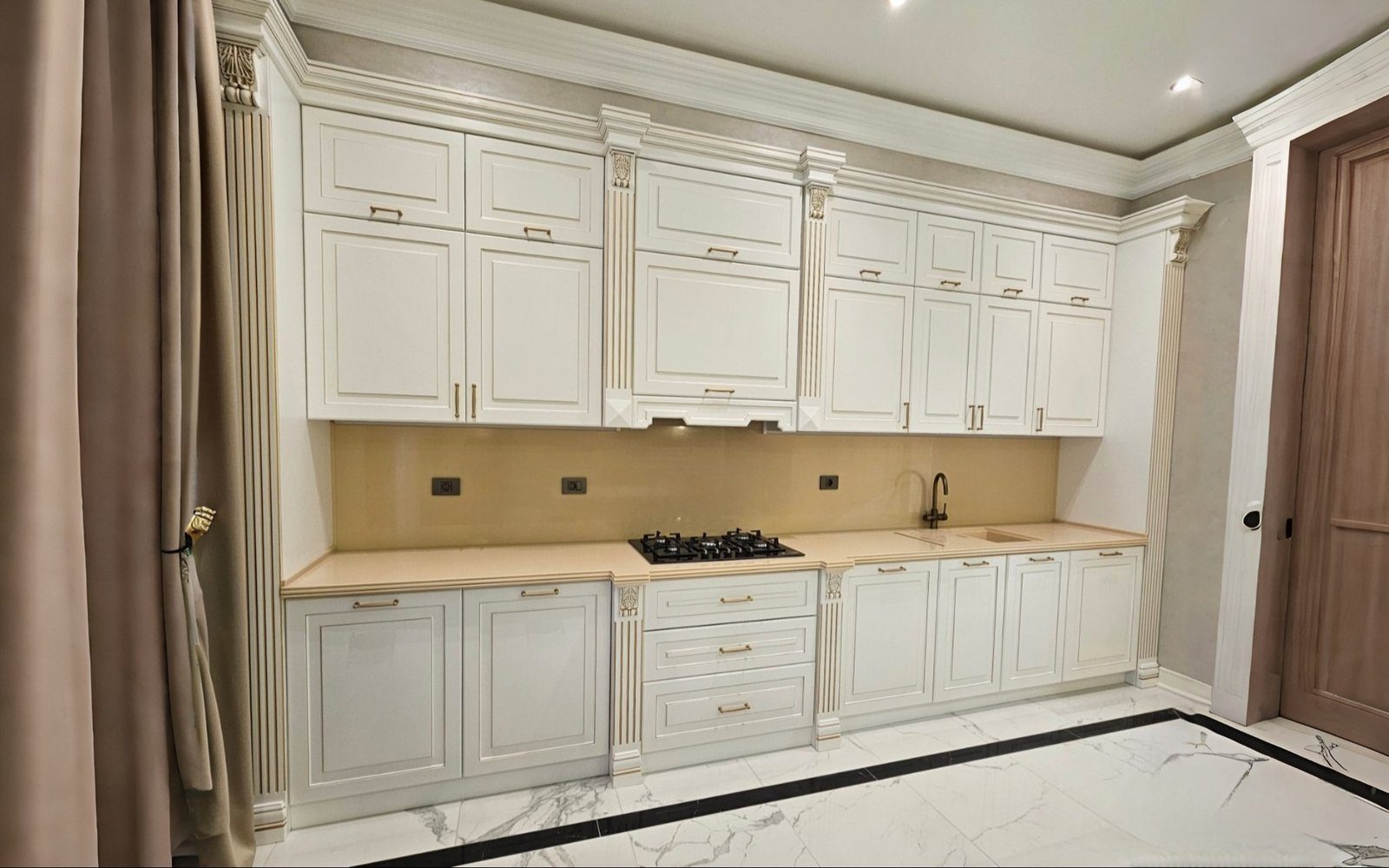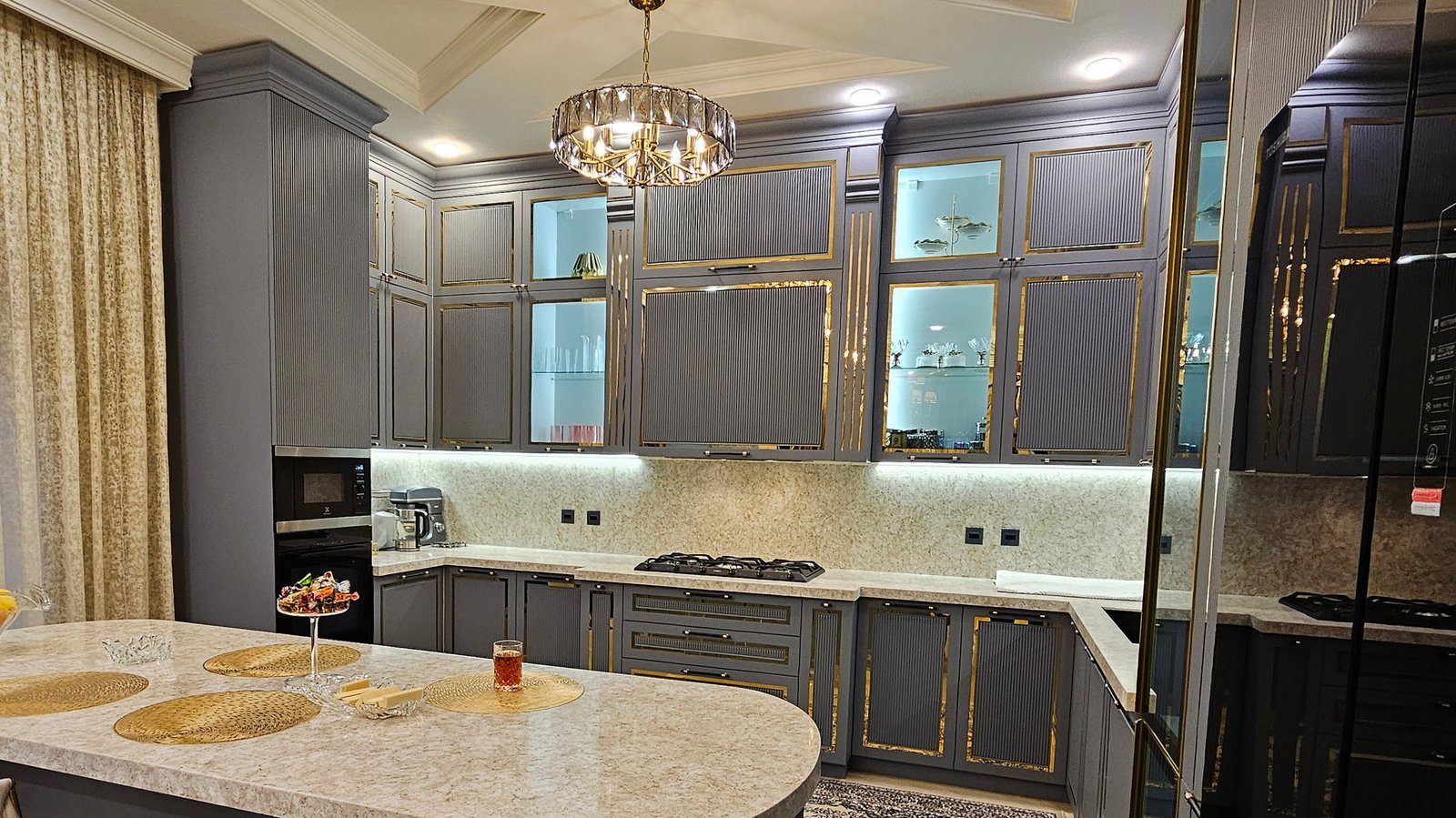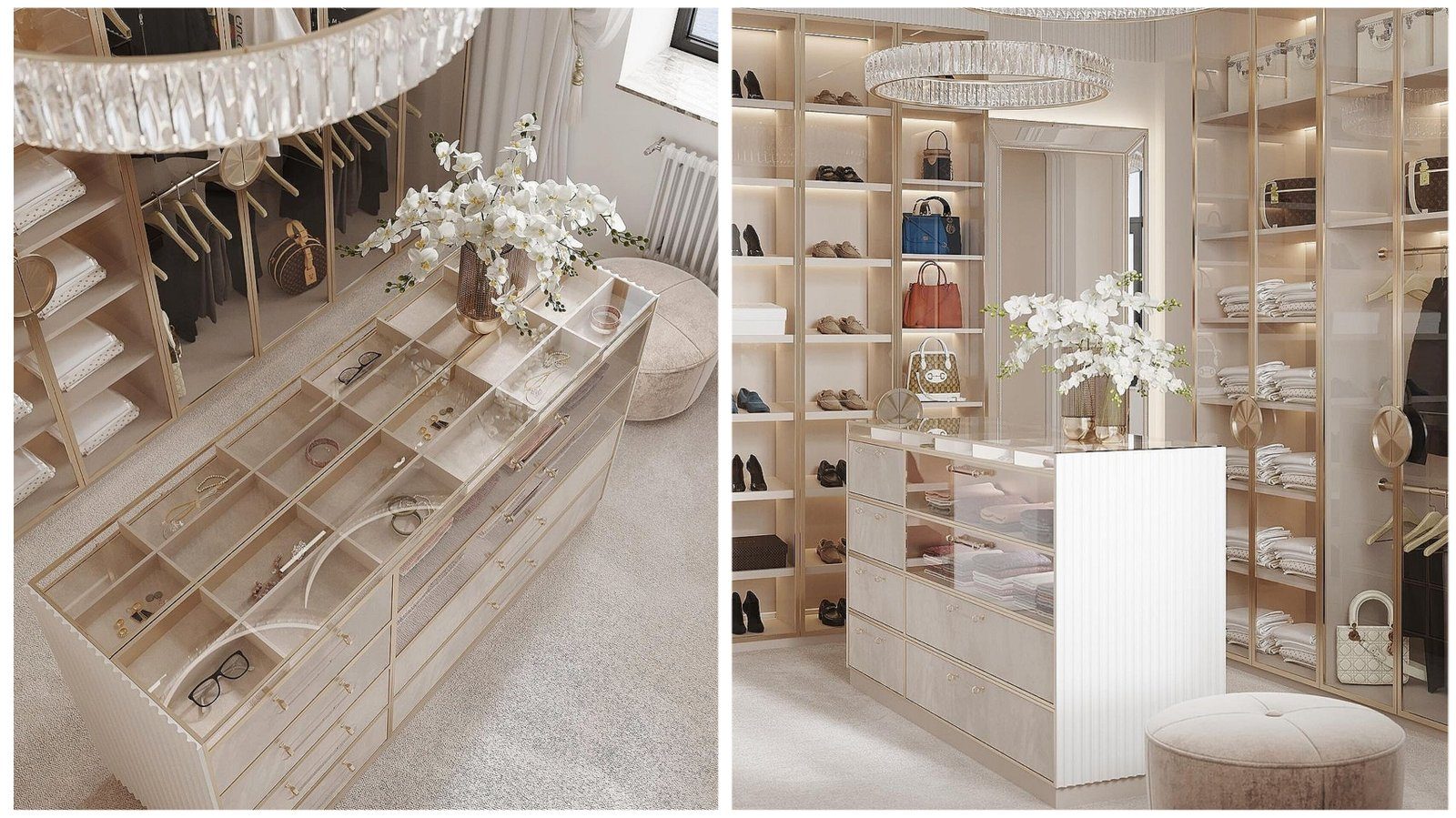

Gold handles, slim brass trims and metal legs have become a familiar sight in both classic and contemporary interiors. They look especially striking against deep green, graphite or walnut fronts. Yet two handles that look identical in a catalogue can be in very different condition a few years later. The reason lies in the metal itself and in how the surface was finished.
Solid brass and gold plating are not the same
Brass is made from copper and zinc. A solid brass pull is weighty and has the same colour right through, so a scratch reveals no different metal underneath. Left unlacquered, it gradually darkens from air and handling and takes on a patina, and for some owners that aged character is the whole point.
Most gold-coloured hardware on the market, however, is made from zinc alloy, aluminium or steel with a gold-coloured layer on top. That layer may be electroplated, vacuum-deposited or powder-coated. Plated hardware is light and affordable and, when well made, lasts a long time. Its weakness is that once the top layer wears through, the base metal shows and cleaning cannot bring it back.
How the finish hides wear
A mirror-polished gold surface gives the most formal look, but it also shows fingerprints and fine scratches most readily. On a kitchen handle gripped dozens of times a day, that means constant wiping.
A brushed or matt gold finish has fine parallel lines that scatter light. Fingerprints are less visible and everyday marks blend into the texture. That is why matt or brushed hardware is usually the more practical choice for drawers and doors in daily use, while polished gold suits display-cabinet trims and decorative pieces that are rarely touched.
What to watch in kitchens and bathrooms
Kitchen handles meet greasy hands, damp cloths and cleaning products. The real threats to a gold finish are abrasives and harsh chemicals:
- Scouring powders, stiff sponges and steel wool scratch the coating and dull the shine.
- Products containing chlorine or strong acids can stain or discolour the finish.
- The safest routine is a soft cloth, warm water and mild soap, then drying.
- Unlacquered solid brass needs a dedicated brass cleaner if you want it bright; if you like the patina, simply leave it.
Tones and matching with furniture
Gold is not a single colour. A pale, champagne tone creates a soft contrast with white and beige fronts. A deeper, reddish brass tone adds richness next to walnut, dark green and graphite. The common problem is that handles, profiles and light fittings bought from different makers come in tones that are close but not identical, and side by side the difference is obvious.
So it is best to take gold details for one room from the same series where possible, or to keep the tones deliberately and clearly different. Placing a handle sample on a front sample and looking at both in daylight and in the evening makes the decision much easier.
Gold metal in profiles, legs and trims
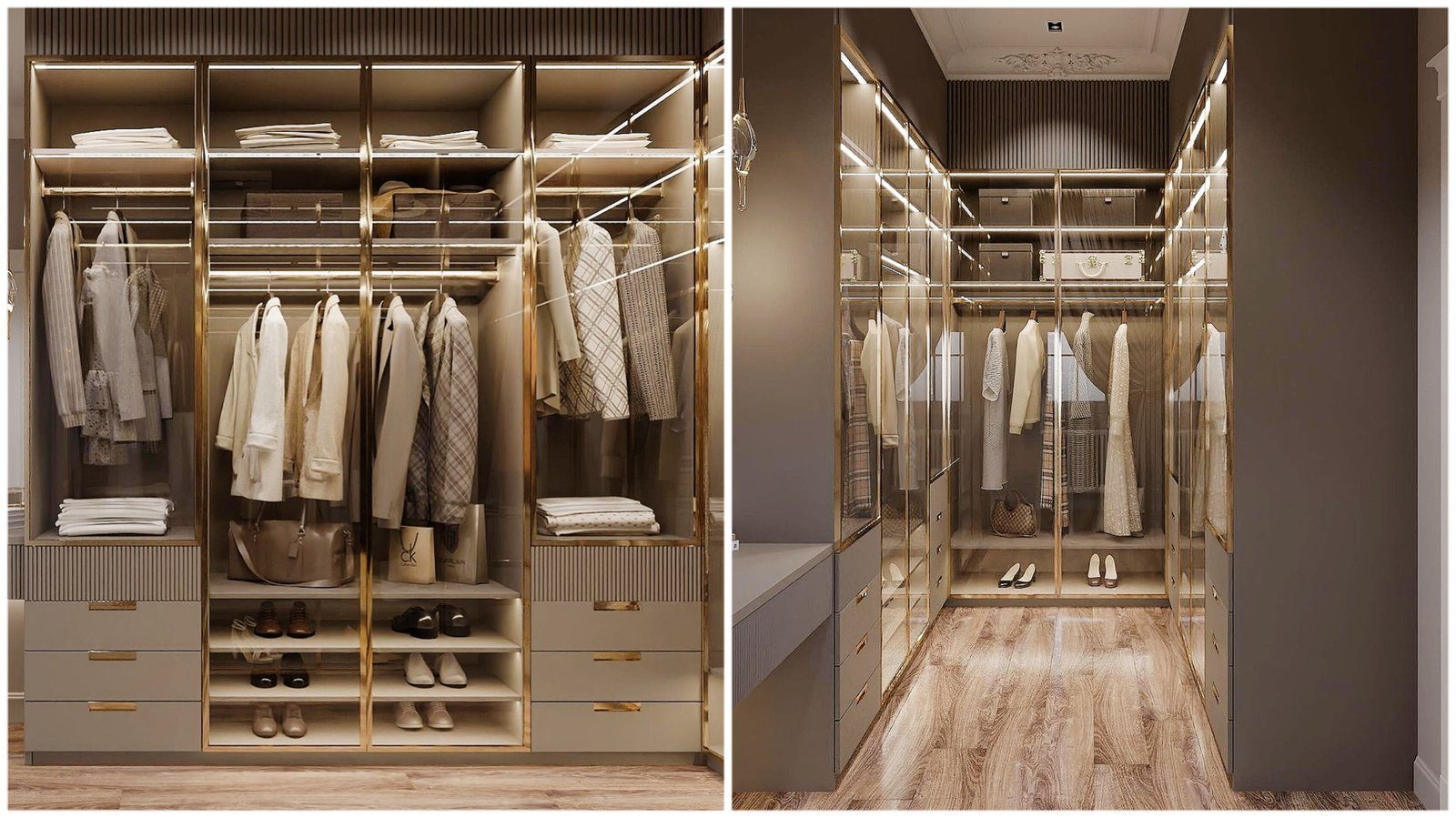
Gold is used not only on handles but also on slim edge profiles, display-cabinet frames and furniture legs. On aluminium profiles the colour is often produced by anodising, which forms the coloured layer in the metal surface itself and stands up to wear better than an ordinary paint film. Legs work under a different kind of load: the part touching the floor loses its finish as the piece is dragged, so felt or plastic glides protect both the floor and the coating.
Lighting also changes how gold details look. Under warm white LED light brass appears deeper and more yellow; under cool light it looks paler. When choosing a gold trim for a lit display cabinet, checking the sample under light of the same colour temperature avoids unexpected differences later.
A short checklist
- Is the handle solid brass or plated?
- Is the finish polished, matt or brushed?
- Do profiles, legs and handles share the same tone?
- Which cleaning products does the maker recommend?
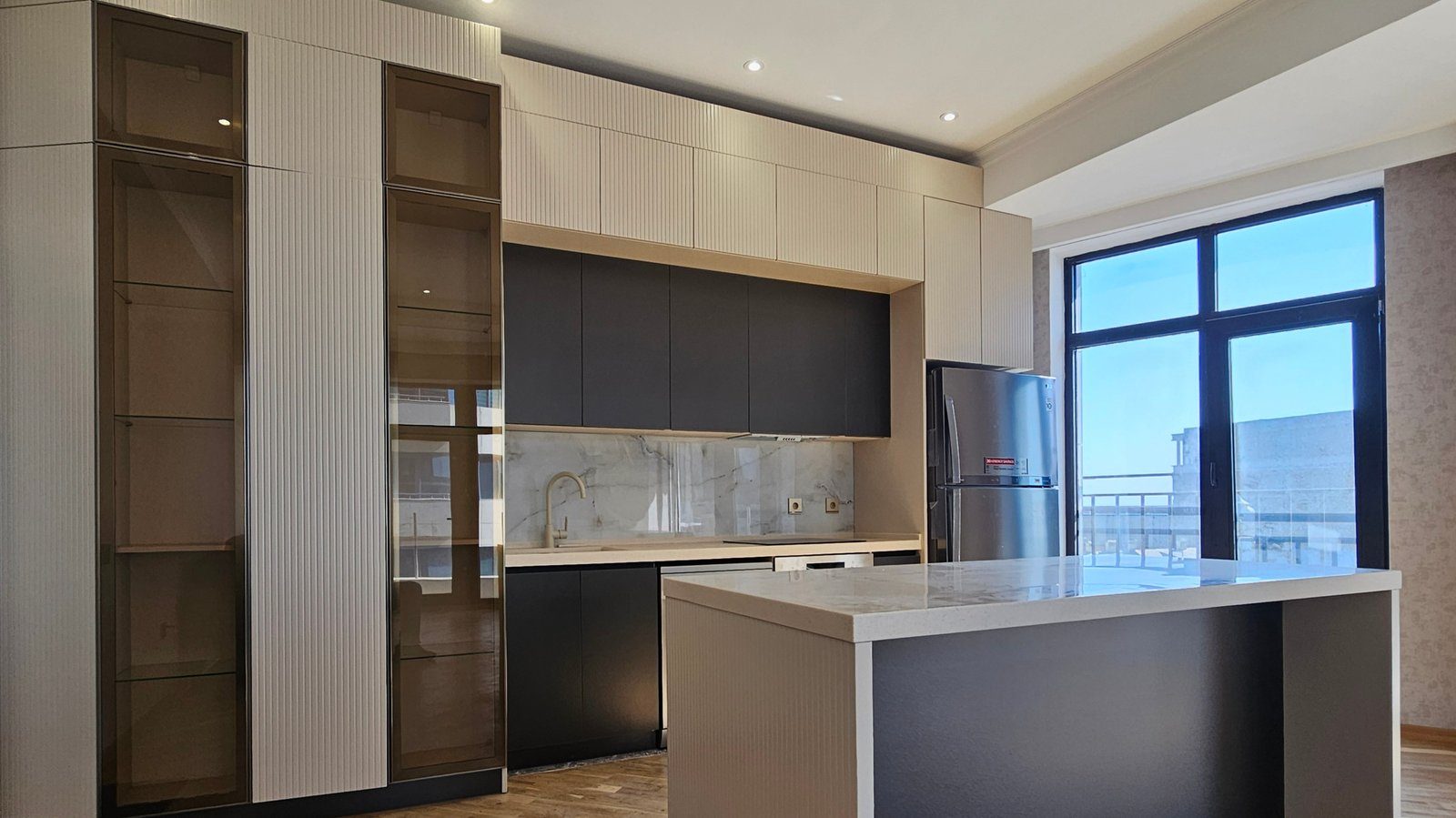
Zaferoglu Mebel's kitchen projects include fronts with gold trims and brass details. The tone and finish of the hardware are chosen at the design stage by setting samples beside the front materials.